The Dangerous Purity of Practical Chaos in Friedkin's Sorcerer
A Roadblock Built on Fragile Ground
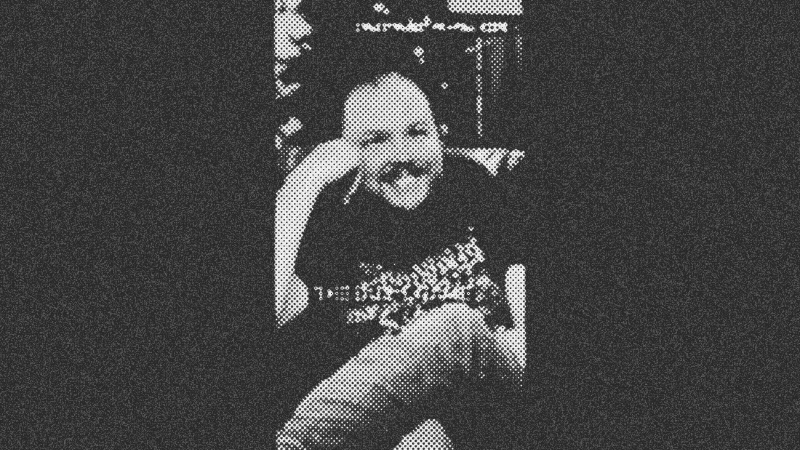
In the high-stakes world of 1970s filmmaking, William Friedkin demanded a level of realism that bordered on the obsessive. While filming Sorcerer, a story centered on men transporting unstable TNT across treacherous terrain, the production hit a literal and metaphorical wall. A massive tree blocked the path of the trucks. The narrative required a detonation that looked as volatile as the nitroglycerin it depicted, but the traditional cinematic toolkit failed to deliver the necessary impact.
Rejecting the Hollywood Fireball
Standard movie pyrotechnics rely on gasoline because it creates a slow, photogenic bloom of orange fire. These "Hollywood explosions" look spectacular but lack the physical violence of a true high-explosive event. When the special effects crew couldn't produce a blast that satisfied the director's vision for the tree-clearing sequence, the production took a radical turn. They pivoted away from industry professionals and looked toward the underworld of demolition.
The Arrival of Marvin the Torch
Desperate for authenticity, the production flew in an arsonist from New York known as Marvin the Torch. Marvin brought a terrifying expertise in homemade explosives that no union technician could match. His craft focused on concussive power rather than visual flair. By utilizing real high explosives instead of cinematic substitutes, he prepared a charge designed to shatter timber through raw atmospheric pressure.
The Physics of a Supersonic Shockwave
The resulting footage captures something rarely seen in modern cinema: a supersonic concussive wave. As the blast triggers, the air itself seems to ripple, sending a visible distortion through the surrounding foliage. Unlike the rolling flames of a gas bomb, this explosion happens between frames, moving with such velocity that the human eye barely registers the ignition before the destruction is complete. The shockwave carries enough force to kill a spectator instantly, necessitating a total evacuation of the immediate area.
The Lasting Impact of Authentic Danger
This commitment to practical danger defines the era of visceral filmmaking. By choosing an arsonist’s expertise over a technician’s safety protocols, the production achieved a sense of genuine dread. It serves as a reminder that the most memorable moments in cinema often come from the refusal to settle for a simulation. True tension isn't just acted; sometimes, it’s built from the ground up with real dynamite and no safety net.
- Marvin%20the%20Torch
- 33%· people
- Sorcerer
- 33%· movies
- William%20Friedkin
- 33%· people
When you hire an ARSONIST to do your effects…
WatchCorridor Crew // 1:13
