Disney swaps muscles for CGI in newest live-action Moana preview
The digital transformation of Maui
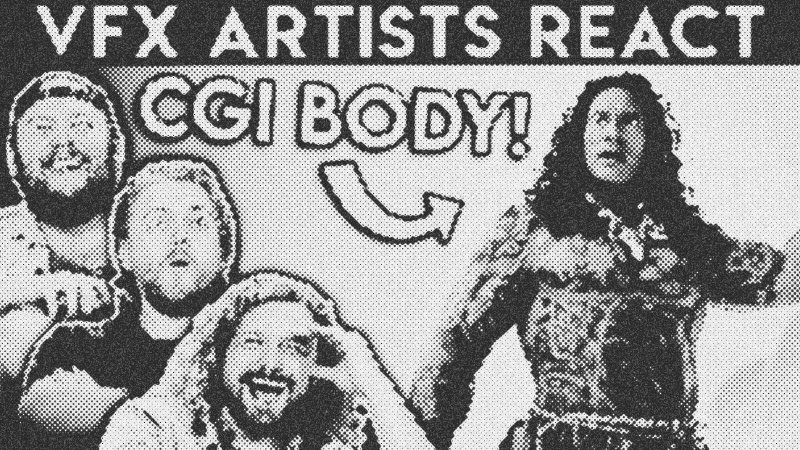
Cinema is meticulously crafted magic, but sometimes the trick is easier to spot than the director intended. In the latest preview for the live-action Moana, the industry's reliance on digital augmentation takes center stage through Dwayne Johnson's character, Maui. While the actor is famously fit, the production appears to have opted for a hybrid approach, blending a physical muscle suit with a CGI body overlay. The evidence lies in the technical nuances of light interaction; the skin on his torso doesn't quite react with the environment's light the way organic tissue should, feeling more like a surface one could "press in."
From a technical perspective, the decision to go digital likely stems from the character's intricate tattoos. Animating these markings across a moving, sweating human body is a nightmare for compositors. By utilizing a digital double, the VFX team can ensure the tattoos move perfectly with the musculature. However, this creates a disconnect. The scaling of his wrists compared to his massive shoulders feels uncanny, lacking the "otherworldly" weight that could have been achieved through more aggressive volume capture or stylized character design.
Chief of War fails the speed test
When we look at the historical epic Chief of War, we see the pitfalls of trying to "fix it in post." A downhill sledding sequence intended to be high-octane ends up feeling disjointed due to poor Compositing. The artists used time-ramping and camera shake to simulate speed, but the actors' hair and clothing remain stubbornly still, betraying the slow-motion reality of the shoot.
Authentic action requires environmental interaction. To sell a high-speed descent, you need debris—mud, pebbles, and wind—hitting the actors' faces to force a physical reaction. Without these practical elements, the "shaky cam" feels like a digital filter slapped over static footage. The lighting on the actors is too perfect, lacking the harsh, shifting shadows of a real outdoor environment, which ultimately makes the scene look more like a video game than a cinematic experience.
Spielberg masterclass in miniature pyrotechnics
In stark contrast to modern digital shortcuts, Steven Spielberg’s 1989 film Always serves as a masterclass in Practical effects. Working with Industrial Light & Magic, the production utilized massive "bigatures" to simulate forest fires and aerial stunts. The level of detail achieved through 100% in-camera shots remains breathtaking even by today's standards. By filming real Yellowstone National Park fire footage and projecting it onto screens behind cockpit sets, Spielberg maintained a sense of physical weight that CGI often lacks.
Final verdict on the craft
The gap between the seamless miniatures of Always and the uncanny valley of the Moana trailer highlights a shift in filmmaking philosophy. While CGI offers unlimited flexibility, it often loses the tangible texture that makes a shot feel "real." For directors today, the lesson is clear: no amount of digital bloom or lens flare can replace the authentic interaction of light, wind, and physical debris. The most successful effects aren't the ones that look the best, but the ones you never realize are effects at all.
- Always
- 10%· movies
- Moana
- 10%· movies
- CGI
- 5%· filmmaking
- Chief of War
- 5%· tv shows
- Coinbase
- 5%· companies
- Other topics
- 65%
VFX Artists React to Bad & Great CGi 221
WatchCorridor Crew // 18:47
