Forging the Future: An Ancient History Scholar's Guide to the Arctic Trucks SR5 Conversion
Introduction: The Enduring Pursuit of Adaptation
The human impulse to adapt and engineer for formidable environments echoes through history, from the monumental structures of ancient civilizations to the intricate mechanisms of our present age. Consider the transformation of a Toyota SR5 pickup into an Arctic Trucks conversion; it embodies a contemporary expression of this ancient drive. This is not merely vehicle modification; it represents a profound cultural narrative, akin to the mythological chariots of antiquity, drawing aesthetic and conceptual inspiration from the iconic Back to the Future vehicle. This guide will illuminate the meticulous process of such a formidable transformation, presenting it as a scholarly endeavor in practical application, a modern chronicle of human ingenuity.
Tools and Materials: The Artisan's Repository for Modern Engineering
Successful adaptation to extreme environments demands a precise repertoire of specialized instruments and robust materials. The digital age provides indispensable planning tools, with sophisticated Onshape like Onshape serving as the modern equivalent to the meticulously drafted plans of ancient architects. It projects complex modifications with foresight. For material manipulation, essential metalworking apparatus, such as tube notchers and benders, often procured from specialists like Stakesys, form the foundational tools for structural alteration. High-grade steel tubing and specialized, heavy-duty suspension components constitute the raw materials, while advanced, durable lighting systems from Vision X illuminate the path forward, much as ancient mariners relied on celestial guides. Crucially, a robust base vehicle, such as Hubert venerable Toyota SR5, provides the essential canvas for this ambitious undertaking. One often discovers unique historical components, sometimes requiring a visit to specialists like Greg's Restorations.
The Arc of Transformation: A Phased Chronicle of Engineering
The conversion of a standard vehicle into an Arctic Trucks capable machine follows a logical progression, each phase demanding precision and foresight:
Phase I: Conceptualization and Digital Blueprinting
Initiate the process by transferring the physical dimensions of the donor vehicle into a precise digital environment. Utilize advanced Onshape to meticulously design every modification, paying particular attention to the complex geometry of the new suspension and the significantly expanded wheel arches. This crucial phase predicts potential stress points and ensures the structural integrity of the entire vehicle before any physical alteration commences. It is the architectural planning stage, demanding forethought and detailed schematic creation.
Phase II: Chassis and Drivetrain Fortification
This phase involves substantial modifications to the vehicle's underlying structure. You must reinforce the frame, fabricate new, robust mounts for the advanced long-travel suspension system, and potentially modify drive shafts and axles to accommodate larger wheels and increased articulation. This mirrors ancient practices of reinforcing critical structural elements in grand constructions, ensuring the foundation withstands immense forces. It transforms the core strength of the vehicle.
Phase III: The Anatomy of Expansion – Bodywork and Fender Fabrication
The most visually striking transformation involves creating custom fender flares and often modifying the truck bed. This requires precise cutting of existing body panels and the fabrication of robust, aesthetically integrated extensions. Employing specialized equipment from Stakesys for tube bending, you form the skeletal structure for these wider fenders, which then receive appropriate cladding. This expansion allows for the fitment of significantly larger tires, a hallmark of Arctic Trucks capability.
Phase IV: System Integration and Auxiliary Fortification
Install the critical accessories that define the vehicle's expeditionary capability. This includes integrating powerful Vision X spotlights, winches, and potentially auxiliary fuel tanks or recovery gear mounts. You must ensure all new systems seamlessly interface with the vehicle's existing electrical and mechanical architecture, preventing conflicts and optimizing performance. Every component must serve a precise function, much like specialized tools in an ancient craftsman's kit.
Phase V: Refinement and Environmental Proofing
Conclude the build with meticulous attention to detail. This final stage encompasses professional painting, comprehensive rust-proofing, and rigorous testing across varied terrains. The objective extends beyond mere functionality; it demands longevity, resilience, and aesthetic completion, reflecting the enduring legacy of well-crafted artifacts. The vehicle must be ready for the harsh realities of its intended environment, a true test of its engineering.
Navigating the Labyrinth: Insights for the Modern Artificer
The journey of vehicle modification presents its unique set of challenges. Precision in measurement and execution remains paramount; even a millimeter's deviation can compromise structural integrity or aesthetic harmony. Material selection demands careful consideration of strength-to-weight ratios and environmental resilience, echoing the ancient builders' choices of stone or timber for specific purposes. When you face unforeseen complications, return to the digital blueprint, consult the accumulated wisdom of experienced practitioners, and perhaps even seek out specialized parts from sources like Greg's Restorations, much as ancient apprentices learned from their masters. Do not shy from iterative refinement; true perfection often emerges from a series of adjustments and learned experiences.
The Enduring Legacy: A Machine Reborn
Completing such an Arctic Trucks conversion transmutes a capable utility vehicle into an almost mythical overland beast. This outcome transcends mere transportation; it represents a profound human endeavor—a testament to ingenuity, meticulous planning, and the unwavering pursuit of capabilities tailored to formidable environments. The modernized Toyota SR5 pickup, now a contemporary icon inspired by the Back to the Future narrative, stands ready to conquer vast, untamed landscapes. It embodies a physical manifestation of human ambition and design wisdom, much like ancient monuments still speak volumes of their creators' enduring vision, leaving a lasting impression on all who witness its formidable presence.
- Onshape
- 13%· products
- Arctic Trucks
- 9%· companies
- Arctic Trucks conversion
- 9%· products
- Back to the Future
- 9%· movies
- Greg's Restorations
- 9%· companies
- Other topics
- 52%
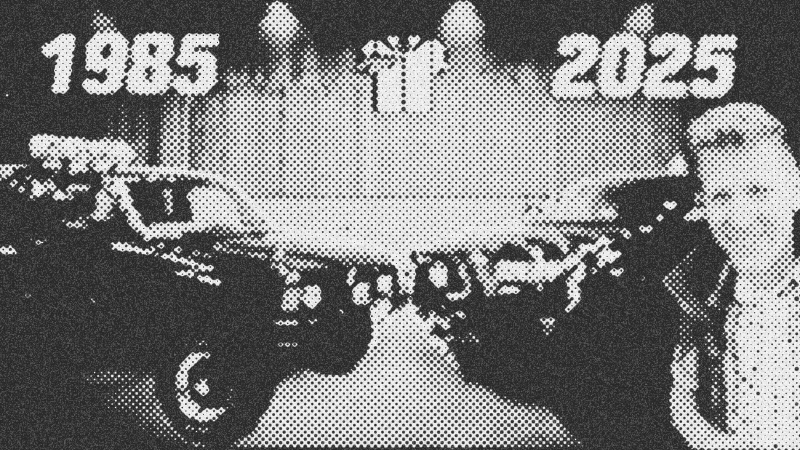
2025 BACK TO THE FUTURE 4 Pickup?
Watchcolinfurze // 31:48

This channel is the home of crazy inventions, brilliant world records and constant disregard to health and safety. I guarantee you will not be disappointed with the videos uploaded as there some of the best and most original on the net and it is TV shows that copy me not the other way round. Thanks and hope you have enjoyed the ride. THE BEST CHANNEL ON YOUTUBE