The Architecture of Self-Correction: Sobriety, Digital Intimacy, and the New Attention Economy
The Window Into the Modern Soul
True self-awareness begins at the intersection of our private habits and our public personas. We often present a curated version of our lives to the world, but our digital footprints tell a more visceral story. There is a specific kind of honesty found in what we consume on the internet in the dead of night, away from the watchful eyes of society. These choices—the videos we watch, the topics we research, and the creators we follow—serve as a mirror to our deepest anxieties and aspirations. Recognizing this data as more than just marketing metrics, but as a map of the human psyche, allows us to confront the reality of who we are when no one is watching.
Psychologically, this digital mirror is invaluable. In a world where we can easily deceive our friends, family, and even ourselves, the algorithm remains objective. It reflects our interests back to us with startling accuracy. By examining these patterns, we can identify the gaps in our lives: the search for belonging, the pursuit of growth, or perhaps the escapism we use to avoid our internal stressors. Understanding this data isn't just for big tech; it's a tool for personal audit. When we acknowledge the content we lean on to fill the silence, we begin the intentional work of deciding whether that content serves our ultimate potential or merely sedates our current boredom.
Sovereignty Through Sobriety
Choosing a life without alcohol is rarely about the substance itself; it is an act of reclaiming cognitive sovereignty. For many, the transition to sobriety represents a profound shift from reacting to life’s stressors to proactively managing them. Alcohol often serves as an exogenous version of courage or a chemical sedative for social anxiety. When we remove this crutch, we are forced to develop genuine internal resilience. This process requires a confrontation with the emotions we once sought to drown, leading to a deeper, more authentic understanding of our own capabilities. Growth in this space happens exponentially once the initial fog of dependency clears.
After several years of sobriety, the contrast between the old self and the new self becomes a powerful motivator. The equanimity gained from consistent sobriety provides a baseline of stability that many seek through meditation or other wellness practices. By simply existing in a state of total cognitive control, we bypass the need for quick fixes. This long-term commitment reveals that the original problem was never the drink, but the underlying need for an escape mechanism. Once we build the capacity to process anxiety and boredom in a state of presence, the desire for the substance often vanishes, replaced by a preference for the clarity of an unclouded mind.
The Social Resilience Factor
One of the most significant hurdles in sobriety is the fear of social exclusion. In many cultures, alcohol is the default lubricant for connection, particularly at high-stakes events like weddings or professional gatherings. However, navigating these situations sober actually cultivates a higher level of social intelligence. Instead of relying on a substance to lower inhibitions, we learn to approach others with genuine self-confidence. This builds a social muscle that alcohol only weakens. When you can walk into a room, engage in meaningful conversation, and leave on your own terms with your memory intact, you have achieved a level of social mastery that most people never experience.
Furthermore, sobriety acts as a filter for social engagements. When you are no longer sedating your boredom with alcohol, you become far more discerning about how you spend your time and who you spend it with. Many people stay in unfulfilling friendships or attend draining parties simply because they can drink their way through the discomfort. Without that option, you are forced to choose engagements that offer real value and connection. This transition might feel like a loss initially, but it eventually leads to a life filled with intentionality and high-quality relationships that don't require a chemical catalyst to be enjoyable.
The Evolution of Consumer Intimacy
The landscape of marketing is shifting from a focus on broadcast to a focus on bi-directional intimacy. Consumers are no longer passive recipients of advertising; they are active participants in a brand’s story. The brands that win in this new era are those that recognize the value of social listening and use those insights to drive authentic business changes. It’s no longer enough to have a team scheduling posts. Modern companies must use the direct line of communication provided by social media to understand the visceral needs of their customers. This is the difference between social media management and true social strategy.
We are moving toward an economy of attention where authenticity is the primary currency. Consumers have become increasingly skeptical of manufactured perfection and are drawn to brands that show vulnerability and responsiveness. When a company acknowledges a product flaw—like a fast-food chain admitting their fries are suboptimal—and uses that feedback to innovate, they build a level of trust that no glossy ad campaign can replicate. This radical honesty creates a bond of loyalty that transcends price points. People want to feel seen and heard by the organizations they support, and digital platforms provide the unprecedented ability to facilitate that connection at scale.
Reclaiming the Attention Economy
As we become more aware of the value of our attention, our consumption habits are beginning to reflect a desire for meaning over mindless scrolling. The backlash against the more toxic elements of social media has paved the way for platforms that prioritize fun and community over arrogance and self-promotion. We are seeing a return to physical connectivity—a resurgence in physical book sales and the rise of experiential retail environments. This suggests that humans are inherently wired for tactile, real-world interactions that digital screens cannot fully replace. The future belongs to those who can bridge the gap between digital efficiency and human sensation.
In this evolving landscape, the burden of success shifted from the platforms to the individual’s choice. We must decide if we will continue to give away our data and attention for free or if we will spend those resources wisely on experiences that foster growth. Brands that facilitate these experiences—whether through immersive physical stores or personalized digital interactions—will remain relevant. The goal is to move away from the "funnel" approach and toward a model of partnership, where brands meet consumers on their terms and provide genuine value in exchange for their most precious resource: their time.
The Power of Uncommon Consistency
To achieve greatness in any field, one must be willing to be uncommon. Whether it’s maintaining sobriety in a world of social drinking or pursuing aggressive professional growth, success requires a level of consistency that most find uncomfortable. This hunger for more is a characteristic of a high-performance mindset. It involves a constant cycle of setting bigger challenges, retreating to refine one's foundation, and then pushing forward again. This relentless pursuit of potential is not about reaching a final destination, but about the perpetual refinement of the self.
Ultimately, our power lies in our ability to take back control. By making intentional choices about our health, our digital consumption, and our social interactions, we align our daily actions with our long-term goals. Normality is often just a collection of common habits that lead to average results. To move beyond that, we must embrace the "weirdness" of total cognitive control and the discipline of high-level focus. Growth happens one intentional step at a time, and every choice we make to be more present and more authentic brings us closer to the best version of ourselves.
- Chris Williamson
- 5%· people
- Dominic McGregor
- 5%· people
- Ed Latimer
- 5%· people
- 5%· companies
- Other topics
- 77%
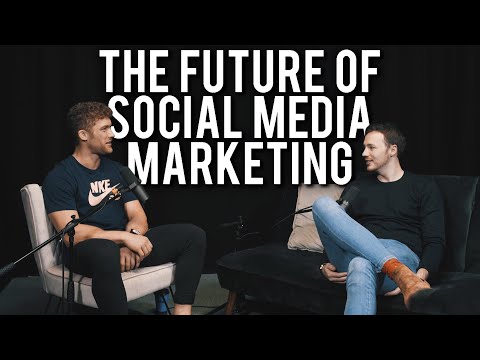
Sobriety And The Future Of Social Media Marketing | Dominic McGregor
WatchChris Williamson // 1:07:52
