The Evolutionary Wisdom of Menopause: Beyond Biological Ending
The Biological Enigma of Menopause
While most species reproduce until death, human females experience a distinct cessation of fertility long before the end of life. This biological rarity, shared by only a select few species like certain Dolphins, suggests that Menopause is not a flaw in our design, but a sophisticated survival strategy. From a psychological and evolutionary perspective, this transition reflects a shift from individual reproduction to the collective resilience of the family unit.
The Grandmother Hypothesis and Resource Allocation
At the heart of this phenomenon lies the "Grandmother Hypothesis." This theory posits that as humans became more long-lived, the risks associated with late-life childbirth began to outweigh the benefits. In our ancestral past, a mother dying in labor or leaving a young, helpless infant behind would be catastrophic for the group. Instead, the Genes favor a strategy where older females pivot their energy. By stopping their own reproduction, they become vital resource providers—investing calories, protection, and wisdom into their grandchildren. This shift ensures the survival of the existing lineage rather than risking it for a new, uncertain one.
The High Cost of Human Intelligence
Our unique evolutionary path is tied to our large brains, which make human childbirth exceptionally dangerous compared to other mammals. We require an immense amount of social support and external calories to raise offspring to maturity. Data from horticultural groups in South America reveals that a single couple often cannot secure enough protein and calories alone. We depend on a "risk pool" of relatives. Menopause serves the group by ensuring the most experienced members remain active contributors to this pool without adding more mouths to feed.
Genetic Bottlenecks and Latent Advantages
Evolutionary history suggests that Menopause might have originated as a random mutation during a population bottleneck. If the human population once dwindled to a small group of Homo Sapiens, a specific genetic switch could have taken hold. While it may have lacked a clear purpose initially, it became a significant advantage as life expectancy increased past forty. What once seemed like a biological limit transformed into a powerful tool for social stability and multi-generational thriving.
Conclusion: A Legacy of Support
Understanding the origins of Menopause reframes it from a loss of function to a gain in social utility. It is a testament to the human need for connection and the enduring power of the maternal line. By embracing this perspective, we see that our biology prioritizes the longevity of the community over the endless reproduction of the individual.
- Menopause
- 36%· health conditions
- Dolphins
- 9%· animals
- Genes
- 9%· biology
- Hillard Kaplan
- 9%· people
- Homo Sapiens
- 9%· biology
- Other topics
- 27%
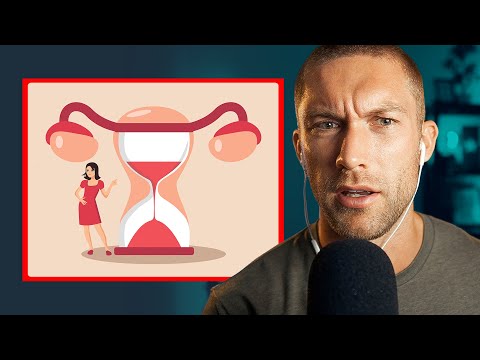
Why Do Women Go Through Menopause?
WatchChris Williamson // 6:43
