The Silent Trap of Collective Delusion: Decoding the Abilene Paradox
The Architecture of Group Agreement
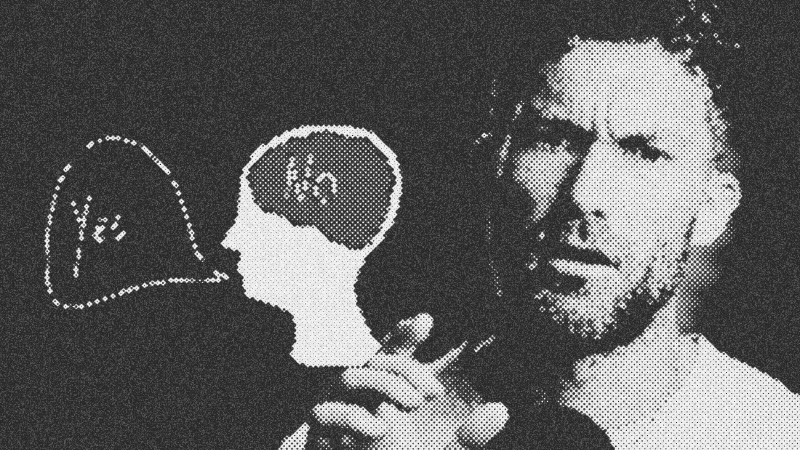
Groups often find themselves on a metaphorical bus to a destination nobody actually wants to visit. This psychological phenomenon, known as the Abilene Paradox, occurs when a collective makes a decision that contradicts the individual desires of every single member. The tragedy lies in the assumption: each person believes their private hesitation is an outlier, while everyone else surely supports the plan. This creates a cycle where rational individuals transform into a collective of 'idiots' simply because they fail to communicate their true preferences.
The Fear of Social Exclusion
At the heart of this paradox sits a profound fear of social friction. In a business setting, an employee might approve a risky branding move, such as Influencer Marketing, not because they agree with the strategy, but because they fear being labeled transphobic if they voice dissent. This pressure to conform doesn't just change behavior; it can actually alter a person's grounded ethics in the moment. When the group's perceived consensus becomes the authority, individual integrity often takes a backseat to the comfort of alignment.
The Cost of Predictability
True independence of thought often comes with a social tax. Those who inhabit the middle ground of any ideology—praising and criticizing their own 'side' with equal fervor—are frequently viewed with skepticism. Extremists find these individuals unreliable because they are less predictable. However, this lack of predictability is actually a sign of cognitive health. It shows that a person is evaluating each topic on its own merits rather than following a pre-written, 'cookie-cutter' ideological script.
Breaking the Cycle of Consensus
To navigate these social dynamics, we must recognize that our silence reinforces the very delusions we resent. Resilience grows when we accept being an 'unreliable ally' to those who demand blind loyalty. By voicing misgivings, we often find that others share our doubts, effectively stopping the bus to Abilene before it leaves the station. Authenticity requires the courage to be the person whose worldview remains consistent, regardless of the group's pressure to perform.
- Abilene Paradox
- 20%· concepts
- Chris Williamson
- 20%· people
- Element
- 20%· products
- Ideology
- 20%· concepts
- Social Conformity
- 20%· concepts
The Abilene Paradox
WatchChris Williamson // 3:48
