The Psychology of the Unexplained: Navigating the UFO Epistemic Landscape
Beyond the Visible Spectrum
Human perception is limited to a narrow band of the electromagnetic wave spectrum. When we demand "tangible evidence" for aerial phenomena, we often ignore that our biology is ill-equipped for the task. UFOs frequently elude traditional optical recording because they appear to manipulate light through extreme velocity. This necessitates a shift in how we validate reality. By prioritizing FLIR and infrared sensors over the naked eye, we move from emotional skepticism toward a more grounded, data-driven self-awareness. Recognizing our sensory limitations is the first step in expanding our mental horizons.
Probabilistic Thinking and Evidence
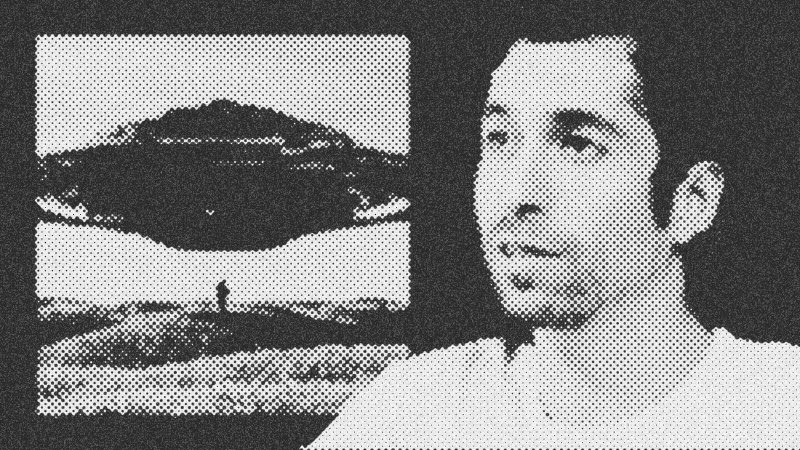
Rather than clinging to a binary of "real" or "fake," we benefit from the Bayesian model of Thomas Bayes. This approach encourages us to build a case through accumulated probabilities. Gary Nolan at Stanford University provides a blueprint for this by analyzing isotope ratios in crash materials that do not pattern match terrestrial elements. We must cultivate epistemic humility—the courage to admit what we do not know while remaining open to anomalous facts that challenge our current worldview.
The Intersection of Truth and Manipulation
We often assume that if something is a psychological operation, it cannot be real. This is a false dichotomy. In the realm of geopolitics, technology is weaponized long before it is shared for public enlightenment. The American defense establishment prioritizes tactical advantages over human curiosity. Understanding that a phenomenon can be both objectively real and simultaneously used as a "psy-op" allows us to navigate complex information environments without losing our intellectual sovereignty. Real growth involves holding these conflicting truths without succumbing to cynicism.
- American defense establishment
- 10%· companies
- Ben Shapiro
- 10%· people
- British Ministry of Defense
- 10%· companies
- FLIR
- 10%· products
- Gary Nolan
- 10%· people
- Other topics
- 50%
How Close Are We To Proving UFOs? - Jesse Michels
WatchChris Williamson // 8:11
