Dr. K warns porn addiction stems from meaninglessness, not libido
The Emotional Loophole of Compulsive Viewing
Society views pornography overuse as a moral failing or excessive libido. This is a mistake. Dr. K explains on the Modern Wisdom podcast with Chris Williamson that this behavior serves as an emotional coping mechanism. It has nothing to do with sexual depravity. Instead, it temporarily numbs pain.
When shame and guilt strike, individuals use the behavior to escape. This creates a self-reinforcing trap. You feel bad, so you watch. Then, you feel worse, so you watch again. It is a vicious, recursive loop. The intense societal stigma surrounding this struggle prevents honest discussion, driving the behavior further underground.
The Surprising Link to Meaninglessness
Data reveals a striking root cause. In multivariate regression analyses of individuals struggling with compulsive viewing, the strongest correlating variable was not high libido. It was meaninglessness.
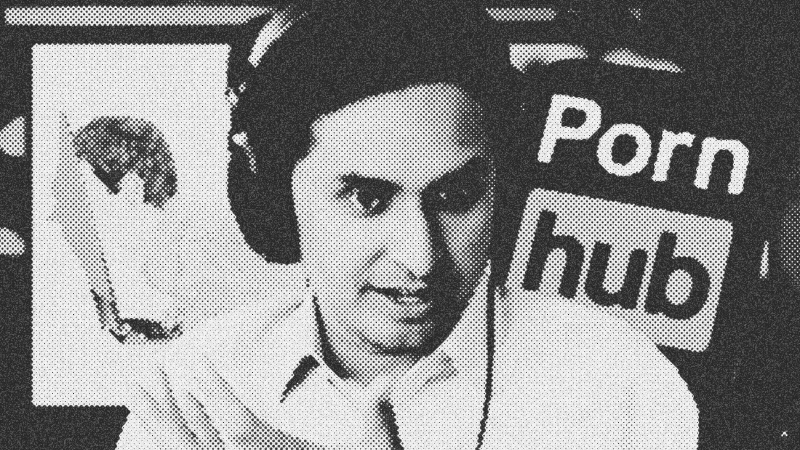
When life lacks direction, the brain craves an easy escape. Orgasm offers an instant neurological reset, temporarily flooding the brain with positive neurotransmitters and suppressing negative feelings. It acts like a chemical switch. This quick escape makes it highly comparable to substance abuse. Video games distract globally, but this stimulus targets specific, intense brain pathways.
Desensitization and Physical Consequences
Escapism eventually exacts a physical toll. Dr. K warns that habitual use trains the body to require artificial, extreme stimuli to function. Over time, individuals experience what Dr. K calls "death grip syndrome," where physical intimacy fails to replicate the intense, unnatural pressure of manual masturbation.
This conditioning causes real-world sexual dysfunction. Online platform algorithms worsen this by driving users toward extreme content to maintain engagement. Mary Harrington calls this "FAP entropy"—the progressive need for higher intensity to reach the same level of arousal.
Cultivating Purpose to Break the Cycle
True recovery requires more than just stopping. It demands a reason to stop. Because withdrawal is painful, individuals need a deeper, driving motivation to endure it.
Instead of demonizing the behavior, we must help individuals build lives of genuine purpose. Facing life's discomforts directly is the only way to build resilience. Stripping away coping mechanisms without replacing them with meaning only leaves an empty void. Real growth begins when we choose to step toward a life that feels worth living.
- Chris Williamson
- 25%· people
- Dr. K
- 25%· people
- Mary Harrington
- 25%· people
- Modern Wisdom
- 25%· podcasts
What All Porn Addicts Get Wrong - Dr. K Healthy Gamer
WatchChris Williamson // 13:42
