The Rise of Therapy Culture: Why Being Damaged Became a Personality Trait
The Therapeutic Lens: A New Modern Religion
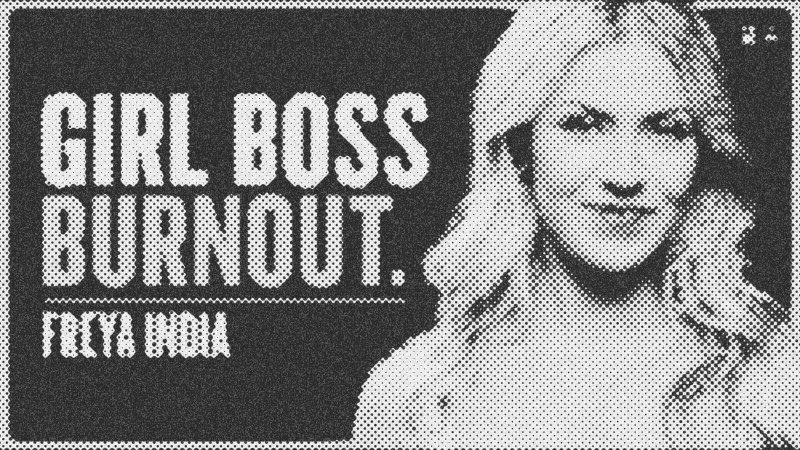
A seismic shift has occurred in how we process human experience. For decades, traditional structures like religion provided the framework for understanding suffering, moral duty, and personal growth. Today, Freya India argues that a pervasive therapy culture has stepped into that void. This isn't just about more people seeking professional help; it is a fundamental shift in worldview. Young women, in particular, have begun to interpret their entire lives—relationships, emotions, and minor setbacks—through a medicalized, therapeutic lens.
In this new secular religion, positive affirmations have replaced prayer. The search for salvation has become a healing journey. Resisting temptation is now reframed as managing intrusive thoughts. While this language offers a sense of order to the chaos of modern life, it comes with a significant cost. By pathologizing ordinary human emotions like hurt, disappointment, or shyness, we are losing the vocabulary of resilience. When every personality quirk becomes a symptom, the individual is no longer a person with agency, but a patient in a lifelong state of recovery.
The Rumination Trap and the Gendered Impact
There is a common misconception that therapy culture is primarily damaging to men because it enforces a feminized approach to problem-solving. However, the reality may be the opposite. Women are naturally more prone to co-rumination—the act of excessively discussing personal problems within a peer group. By encouraging young women to go further into their own heads to find relief, therapy culture plays into a natural disposition toward anxiety.
At fourteen, the worst advice a girl can receive is to obsessively search her life for symptoms of trauma. This creates a cycle where the search for a diagnosis becomes a self-fulfilling prophecy. On platforms like TikTok, this is amplified by the attention economy. Influencers posing as trauma-informed therapists must create extreme content to stay relevant, leading them to label common relationship behaviors as red flags or love bombing. This constant reinforcement of victimhood prevents actual alchemy—the ability to transcend one's past and move forward with strength.
The Dependency Paradox and the Fear of Needing Others
Modern culture has pedestalized independence to a point of isolation. We are told that we must be fully healed and self-sufficient before we can allow a partner into our lives. This message is particularly loud in feminist and liberal circles, where being needy is seen as the ultimate failure. Yet, psychological research into Mary Ainsworth suggests a dependency paradox: those who are most securely dependent on their partners actually become the most independent in the outside world.
Humans are biologically wired for connection. By pathologizing the desire to rely on someone else as an attachment disorder, we are stripping away the foundation of secure relationships. When you have a stable base to fall back on, you are more likely to take risks and explore the world. Conversely, the hyper-independence promoted online acts as an avoidance strategy. It protects the individual from vulnerability but leaves them in a state of chronic loneliness disguised as empowerment. True resilience doesn't happen in a vacuum; it happens through the ties and obligations we have to others.
Social Media and the Commodification of the Self
Social media has transformed the way we perform our identities. It is no longer enough to live a life; one must market it. This is evident in trends like the Freya India of a boyfriend, where a partner is treated like a brand collaboration rather than a human being. The internal world of young girls is now being fed back to them through algorithms that reward neuroticism and risk aversion.
When every moment is captured for an audience, the boundary between the private self and the public product vanishes. This commodification extends to the body, where influencers like Tana Mongeau normalize platforms like OnlyFans as a path to empowerment. This is a false liberation. Real power doesn't come from offering your body up for judgment and basing your self-worth on the ranks and reviews of strangers. By turning themselves into objects on display, young women are participating in their own objectification under the guise of boss girl energy.
The Missing Adults and the Authority Void
Perhaps the most profound driver of this crisis is the breakdown of family and community guidance. Jonathan Haidt and other researchers have noted that as traditional authority figures have stepped back, influencers have stepped in. Parents today are often overbearing in the wrong areas—protecting children from physical injury—while being totally absent in the digital realm.
We have killed good authority in the name of being non-judgmental. Adults have politely retreated, afraid to offer moral direction for fear of being seen as controlling. This leaves young people craving milestones and direction they never receive. Without a neighborhood of adults or a religious community to provide a sense of belonging, they turn to Reddit forums and Instagram for life advice. This frictionless access to information cannot replace the intimate, contextualized wisdom of a parent or mentor who actually knows the individual. We are witnessing the first generation trying to navigate a completely different world with no rules, no archetypes, and no one to tell them that they have to go out and face the world anyway.
Reclaiming Agency in an Age of Pathology
The future of personal growth requires a move away from self-obsession and back toward pro-social action. Self-development is not the same as self-reflection; the latter can easily slide into a lifelong loop of analyzing trauma without ever taking a step toward change. We must stop confusing the tools of improvement—like therapy or morning routines—with the end goal of being a better, more capable human being.
Recognizing that your greatest power lies in your inherent strength to navigate challenges is the first step toward reclaiming your life. Growth happens through sacrifice and obligation, not through the endless pursuit of a symptom-free existence. As we move forward, the challenge will be to build new foundations of trust and community that can withstand the addictive pull of the digital world. It is time to stop identifying as damaged and start identifying as someone capable of building a life worth living.
- Freya India
- 17%· people
- Christopher Lasch
- 8%· people
- Frank Furedi
- 8%· people
- 8%· products
- Jonathan Haidt
- 8%· people
- Other topics
- 50%
Being Damaged Is Not A Personality Trait - Freya India
WatchChris Williamson // 1:27:48
