Dr. K warns tying self-worth to achievements guarantees permanent insecurity
The trap of the moving goalpost
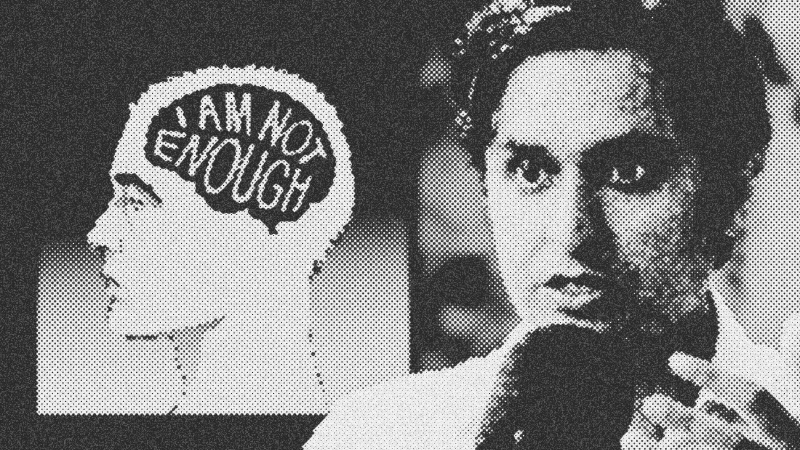
We live in a culture that conditions us to equate our human value with our external achievements. From early school grades to corporate promotions, society measures us by what we produce, not who we are. Chris Williamson hosted Dr. K on the Modern Wisdom podcast to dissect this psychological trap. When you link your self-worth to outcomes, you construct an endless treadmill. The goalpost moves constantly. A million subscribers or a six-figure salary is never enough because the ego always demands the next milestone. It is a recipe for perpetual dissatisfaction.
Why you cannot actually control outcomes
A fundamental error in human thinking is confusing our actions with our outcomes. Dr. K explains that we can control our inputs, but we have zero control over the eventual results. You can plant and water a seed, but you cannot force the plant to grow. Even a brilliant surgeon trained at Harvard Medical School cannot single-handedly guarantee a patient survives. All we possess is the action itself. Once you realize that outcomes belong to the universe, tying your internal value to those outcomes becomes completely irrational.
Two practices to dissolve the ego
To break this cycle, we must dismantle the ego. The ego thrives on labels like "winner," "loser," or "podcaster." These are mental abstractions rather than reality. Two core practices help dissolve this illusion. First, embrace the Sanskrit concept of shunya, or emptiness, through meditation to quiet your identity narratives. Second, cultivate active compassion. True compassion forces your attention outward, shifting focus from self-absorbed anxiety to the experiences of others, which naturally starves the ego of its fuel.
Shifting focus to the hand that acts
You must learn to sleep peacefully based solely on your effort, not the harvest. If you did everything in your power, you must let the results go. If you discover you could have done better, look at your actions without defensive ego justification. Correct the behavior tomorrow. Experiencing temporary disappointment in your actions is healthy; absorbing that disappointment into your identity is toxic. Keep the focus entirely on what is in your hands.
The ultimate freedom of being nothing
True liberation means recognizing that your essential self is simply the bundle of sensory experiences living your life. Your bank account, status, and titles are mere fluctuations. When you let go of the need to be defined by these arbitrary metrics, you find the deep, unshakable contentment of simply being.
- Dr. K
- 40%· people
- Chris Williamson
- 20%· people
- Harvard Medical School
- 20%· universities
- Modern Wisdom
- 20%· podcasts
The Lie That Keeps You Insecure Forever - Dr K HealthyGamer
WatchChris Williamson // 17:35
