The Power of Paradox: Decoupling Mind and Body for Maximum Creativity
The Stillness Protocol
Most high achievers equate productivity with constant motion. However, neurobiologist Andrew Huberman suggests a radical alternative: body still, mind active. This state mimics the neurobiological profile of REM sleep, where the body remains paralyzed while the brain fires with intense complexity. By deliberately sitting or lying in complete stillness, you force the brain to generate its own internal narrative rather than reacting to external stimuli. This decoupling allows the unconscious mind to take a larger role in the cognitive conversation, surfacing ideas that remain buried during the noise of daily activity.
Internal Architecture vs. External Consumption
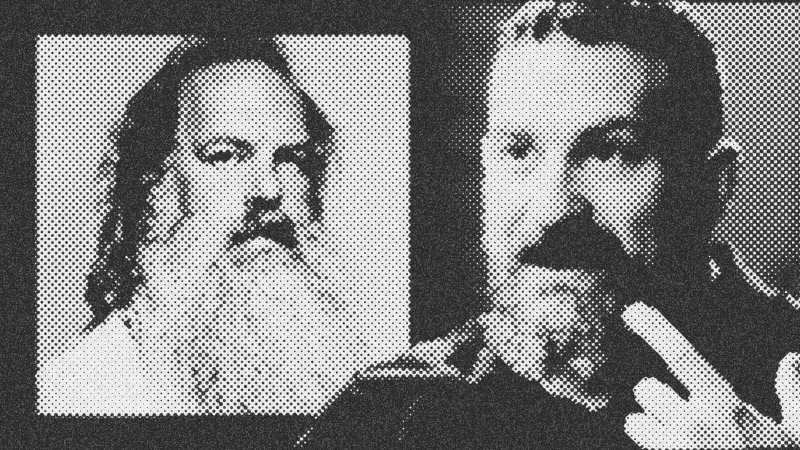
The modern tragedy lies in the digital scroll. When you sit still but consume content on a phone, your mind is active, but the inputs are entirely external. This is a "theft" of creative potential. Carl Deisseroth, a world-renowned bioengineer, combatting this by sitting in absolute Stillness to think in complete, linear sentences. This isn't passive daydreaming; it is a rigorous internal exercise. Similarly, legendary producer Rick Rubin utilizes long periods of horizontal thinking to access deeper creative layers. These thinkers aren't just resting; they are utilizing their brain as a supercomputer to solve problems without the interference of sensory input.
The Rhythmic Inverse
Alternatively, many find clarity through body active, mind still states. Rhythmic, repetitive movements like running, rucking, or swimming occupy the motor cortex with minimal cognitive load. This "repetitive motor" state frees the mind to wander without a specific destination. Whether it is Richard Feynman in a flotation tank or Elon Musk during quiet periods, the goal remains the same: limiting sensory input to let the raw materials of creative work self-generate. 20 minutes of daily intentional thinking—divorced from the phone—can shift you from a consumer of others' ideas to a generator of your own.
- Andrew Huberman
- 11%· people
- Carl Deisseroth
- 11%· people
- Elon Musk
- 11%· people
- Paul Conti
- 11%· people
- psilocybin
- 11%· misc
- Other topics
- 44%
What Happens To Your Brain During Moments Of Stillness - Andrew Huberman
WatchChris Williamson // 13:07
