The Digital Excommunication and the Fragility of Modern Culture
The Psychological Impact of Digital Excommunication
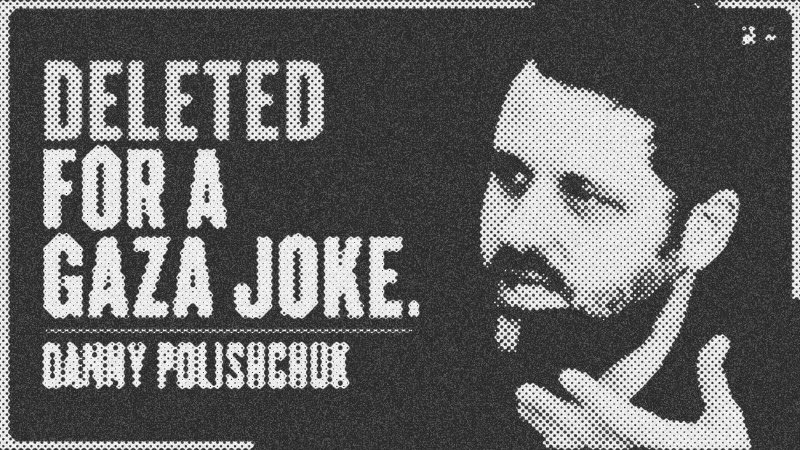
When a creator is suddenly severed from their digital footprint, the effect is more than just a loss of business; it is a profound psychological erasure. Danny Polishchuk recently experienced this firsthand when Instagram permanently suspended his account. The platform cited "sexual solicitation," a charge often reserved for adult content creators, yet Polishchuk suspect the ban was actually a result of his satirical commentary on sensitive geopolitical issues. This "digital death" illustrates the terrifying power of Meta to decide who exists in the public square.
When you are removed from the algorithm, you don't just lose followers; you lose your place in the collective consciousness. Friends and family stop seeing your updates and eventually forget to look for you. It is a modern form of shunning that operates with the cold efficiency of a lines of code. For a comedian, Instagram is the primary engine for ticket sales and audience engagement. Without it, the career path becomes significantly more treacherous. The lack of transparency in the appeal process—where a human life's work can be dismissed by an automated bot in sixty seconds—highlights a systemic lack of accountability in the tech world.
Toxic Compassion and the Stagnation of Growth
One of the most insidious trends in modern discourse is what Chris Williamson identifies as toxic compassion. This is the prioritization of short-term emotional comfort over long-term flourishing and truth. We see this manifested in the refusal to acknowledge the health risks of obesity or the disparate outcomes for children in different household structures, all in the name of avoiding hurt feelings. This mindset creates a protective bubble that prevents individuals from developing the resilience necessary to navigate a complex world.
In psychology, we know that growth requires friction. By sanitizing our environments—both physically and ideologically—we are inadvertently making ourselves more vulnerable. Jonathan Haidt discusses this in The Coddling of the American Mind, noting that the removal of challenges like peanut exposure has led to a tripling of allergies. Culturally, we are doing the same thing. By removing any idea that might cause offense, we are creating a society that lacks the intellectual "antibodies" to deal with dissenting opinions or harsh realities.
The Evolution and Decline of Comedic Institutions
Comedy Central, once the kingmaker of the industry, has seen a precipitous decline in relevance. Danny Polishchuk points out that the brand has essentially cannibalized itself by prioritizing diversity quotas over the raw quality of the art form. This is a classic case of institutional capture where the fear of appearing non-representative leads to the promotion of amateur talent. The result is a brand that no longer carries the prestige it once did for legends like Bill Burr or Dave Chappelle.
This shift has forced comedy into the independent frontiers of YouTube and X. The future of comedy belongs to those who are willing to take risks and speak outside the boundaries of "safe" corporate content. We see this with Matt Rife, who recently leaned into controversy to prune his audience of fair-weather fans. While the mainstream media may condemn these moves, the audience's appetite for authenticity remains high. The gatekeepers are losing their grip because they forgot the fundamental rule of comedy: it must, above all, be funny.
Global Crises and the Search for Meaning
From the falling birth rates in North Korea to the fentanyl epidemic sweeping Philadelphia, the world is facing crises that require more than just superficial solutions. Kim Jong-un crying over his country's demographic collapse is a stark reminder that even authoritarian regimes cannot force a population to find the world meaningful enough to bring children into it. Meanwhile, in the West, the "doomerism" surrounding climate change has led some to seek permanent sterilization as a form of virtue signaling.
This "climate grief" is often a displacement of a deeper, more personal lack of purpose. Choosing not to reproduce to "save the planet" while continuing a high-carbon lifestyle of international travel is a paradox of modern ethics. It suggests that many are searching for a sense of righteousness in ways that require no actual personal sacrifice or long-term responsibility. True resilience involves facing these global anxieties without surrendering our fundamental biological and social imperatives. We must choose to grow, even when the world feels like it is contracting.
Conclusion: Navigating a Fragmented Reality
The common thread through these discussions is the fragmentation of truth and the necessity of individual sovereignty. Whether it is resisting the urge to self-censor for the sake of an algorithm or refusing to succumb to the paralysis of doomerism, our power lies in our ability to stay grounded in reality. The institutions that once guided us—media, government, and corporate entertainment—are showing their cracks. In their place, we must build our own communities based on insight, resilience, and the courage to speak the truth, even when the Santa-clad crowds are just looking for a temporary escape.
- Danny Polishchuk
- 10%· people
- 10%· companies
- Alex Jones
- 5%· people
- Bill Burr
- 5%· people
- Britney Spears
- 5%· people
- Other topics
- 65%
Banned On Instagram, Britney Spears & Alex Jones - Danny Polishchuk
WatchChris Williamson // 1:28:40
