Political Resilience and the Psychology of the High-Stakes Debate
Tactical Overview: The Debate as a High-Risk Catalyst
The upcoming confrontation between Joe Biden and Donald Trump represents a high-stakes psychological threshold. In personal development, we often see individuals face moments where their current trajectory leads to inevitable decline unless they embrace a radical, high-risk pivot. Joe Biden currently occupies this space. For a leader perceived as a "declining stock," the debate is not just a political requirement; it is a desperate attempt to reverse a failure course through sheer visibility. Conversely, Donald Trump approaches this as a seasoned media gladiator, utilizing short-form communication to dominate the narrative and exploit any perceived weakness in his opponent's cognitive or physical stamina.
Strategic Moves: Demographic Shifts and Narrative Ownership
A critical strategic pivot is emerging within the Black vote, particularly among men. This shift is driven by a deep-seated frustration with Immigration policy. While economists might argue the macro-benefits of labor supply, the psychological reality for many is a feeling of cultural dissolution and increased competition for resources. Donald Trump's strategy capitalizes on this sense of being overlooked. By framing the election as a referendum on the tangible impacts of illegal immigration and inflation, the Republican Party camp moves the battlefield away from abstract "norms" and into the visceral, lived experience of the average voter.
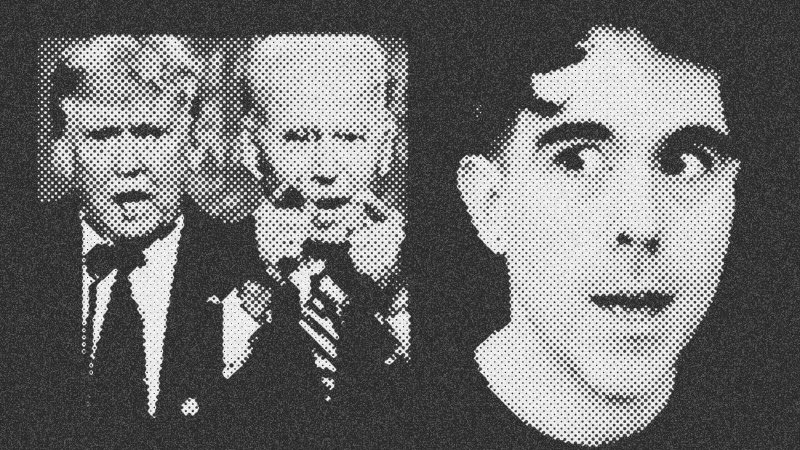
Performance Breakdown: The Weight of Competency
The analysis of performance here rests on the perception of "active leadership" versus "passive decline." Joe Biden faces the hurdle of proving he is still present and capable of navigating three-hour long-form discussions, a benchmark he has largely avoided. Meanwhile, the psychological advantage of "the known quantity" plays into Donald Trump's hands. Unlike previous elections where fear of the unknown drove voter behavior, both candidates have four-year records to analyze. This removes the "fear of the dark" and forces voters to choose between two distinct, well-documented realities of governance.
Future Implications: The Power of Presence
Ultimately, growth and success in high-pressure environments require the ability to command the space. If Joe Biden fails to match the energy of his opponent, the debate will likely act as a psychological "bloodbath" that cements a narrative of incapacity. Success for any individual hinges on their ability to meet the moment with clarity and strength. In the political arena, as in life, when you stop being present in the minds of your community, you lose your power to lead them.
- Donald Trump
- 24%· people
- Joe Biden
- 24%· people
- Ben Shapiro
- 6%· people
- Black vote
- 6%· concepts
- Democratic Party
- 6%· companies
- Other topics
- 35%
“It’ll Be A Bloodbath” - Reacting To Trump vs Biden Debate
WatchChris Williamson // 14:03
