The Psychology of Secrecy: Why Delayed Closures Breed Public Cynicism
The Allure of the Unseen
When significant information remains hidden, the human mind instinctively fills the void. The ongoing delay in releasing the full Jeffrey Epstein has transformed a legal matter into a cultural obsession. Much like a long-awaited album drop, the anticipation creates a fertile ground for speculation. This isn't just about curiosity; it is about the psychological need for narrative completion. When a loop remains open, especially one involving high-stakes power dynamics, we struggle to maintain a sense of order and justice. This unresolved tension drives people to seek answers in unconventional places.
Incompetence Versus Nefarious Intent
We often assume that large-scale cover-ups require a master plan orchestrated by geniuses. In reality, the truth is frequently more mundane and frightening: human error. Many conspiracies likely begin with simple incompetence—an agency missing a warning sign or a bureaucrat dropping the ball. The "conspiracy" then manifests as an desperate attempt to hide that failure. Admitting a mistake can be more damaging to a career than maintaining a lie. This creates a paradox where the public views the government as simultaneously too useless to function and competent enough to rule as shadowy overlords. Both perceptions stem from a fundamental lack of transparency.
The Key to the Vault: Les Wexner
Strategically, the path to clarity often lies with the individuals who provided the foundation for the primary subject's influence. Les Wexner, the founder of Victoria's Secret, represents a critical link. By managing the wealth of a single high-profile billionaire, an individual can leverage that capital to enter elite social circles. Immunity for aging figures like Wexner could provide the "nutrients" of truth the public requires to move forward. Without a definitive answer, we remain trapped in a cycle of suspicion that erodes social trust.
Closing the Speculation Loop
Society needs a definitive end to these sagas to heal. Whether it involves the 9/11 attacks investigations or the John F. Kennedy assassination, the lack of a final, confirmed account keeps the collective psyche in a state of hyper-vigilance. While redacting information to protect innocent victims is necessary, protecting powerful figures only fuels further resentment. We must demand a clear resolution to stop asking the questions that keep us stuck in the past.
- 9/11 attacks
- 13%· events
- Andrew Schulz
- 13%· people
- Jeffrey Epstein
- 13%· people
- Joe Rogan
- 13%· people
- John F. Kennedy
- 13%· people
- Other topics
- 38%
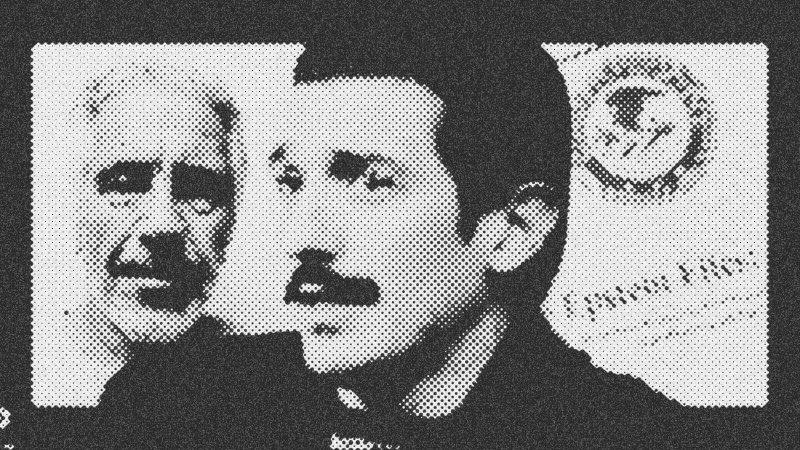
Why Hasn’t The Epstein List Been Released Yet? - Andrew Schulz
WatchChris Williamson // 7:49
