The Evolution of Evidence-Based Medicine: Navigating Modern Healthcare Disruption
The Resurgence of Evidence-Based Medicine in a Digital Era
The democratization of health information through social media has created a dual-edged sword. On one side, individuals have unprecedented access to medical knowledge; on the other, they are bombarded by a cacophony of conflicting messages, miracle cures, and the rise of AI-generated content. Doctor Mike, a family medicine physician who has become a prominent voice on YouTube, highlights that this environment has forced the public to develop a necessary, albeit sometimes extreme, sense of skepticism. This shift marks a significant departure from the era of television medicine, where single-source authoritative figures could influence millions with little to no pushback from a secondary expert community.
The current challenge lies in the tension between healthy skepticism and the dismissal of credentialed expertise. When individuals start to view all medical advice through the lens of "big pharma" or "big food" conspiracies, the ability to communicate life-saving information breaks down. Doctor Mike argues that the first step in addressing this is acknowledging that medicine is rarely black and white. Most health decisions exist in a gray area where evidence must be weighed against the specific needs, financial situation, and lifestyle of the individual patient.
Psychological Resilience and the CBT Framework
One of the most effective tools for navigating both personal health and general life stressors is Cognitive Behavioral Therapy (CBT). This evidence-based approach focuses on identifying and challenging cognitive distortions—those natural, emotional reasoning patterns that can spiral into anxiety and depression. A common distortion is "all-or-nothing" thinking, where a single setback is labeled as a total catastrophe. By introducing a rational pause between a stimulus and an emotional reaction, individuals can reclaim control over their mental state.
Doctor Mike emphasizes that for many patients, especially those with mild symptoms, Bibliotherapy—using literature like Feeling Good by Dr. David Burns—can be a highly effective starting point. The goal of these psychological interventions is not to eradicate every negative emotion but to provide a layer of control. When anxiety arises, it no longer has to lead to a "dark place"; instead, it becomes a manageable signal that can be processed through a rational lens. This practical, non-mystical approach to therapy demystifies mental health care and makes it accessible for the average person.
The Crisis of the American Healthcare System
The U.S. healthcare system is currently defined by a hybrid model of government funding, employer-based plans, and private insurance that Doctor Mike describes as a "disaster." At the heart of this failure is the prioritization of profit and private equity over patient outcomes. In many medical institutions, doctors are now treated as laborers rather than leaders, forced to adhere to strict quotas for patient volume. When a 15-minute slot is the only time allotted for a patient, the human element of medicine—comforting someone through a terminal diagnosis or a sudden loss—is sacrificed at the altar of efficiency.
This systemic pressure has led to the rise of Urgent Care centers and telemedicine as the primary forms of contact for younger generations like Millennials and Gen Z. While these options provide immediate convenience, they fail to offer the continuity of care that is essential for long-term health. A one-off interaction at an urgent care center cannot replace a decade-long relationship with a primary care physician who understands a patient's medical history, family dynamics, and psychological triggers. This "Band-Aid" approach to medicine may solve acute problems, but it leaves the population vulnerable to chronic issues that could have been prevented through proactive, longitudinal care.
ADHD, SSRIs, and the Diagnostic Uptick
There has been a significant and observable uptick in adult ADHD diagnoses and the prescription of SSRIs. While increased awareness and the removal of stigma are positive developments, Doctor Mike warns that the ease of obtaining these diagnoses through online platforms can be problematic. True ADHD is a severe condition that impacts every aspect of a person's life, from social relationships to the ability to drive safely. It is not merely the result of a shortening attention span caused by TikTok or smartphone overuse, though the constant dopamine hits from these devices certainly impact neurophysiology.
Similarly, the use of SSRIs remains a cornerstone of treatment for Major Depressive Disorder, yet our understanding of how they work is still evolving. The old "chemical imbalance" theory, which posited that depression was simply a lack of serotonin, has been largely disproven. Modern theories suggest that the drugs' effectiveness may come from how the brain downregulates receptors in response to increased serotonin over several weeks. This nuance is often lost in social media discourse, where influencers like Gary Brecka frequently spread misinformation regarding the mechanism of action of psychiatric medications. Transparency about what we don't know is just as critical as confidence in what we do know.
The Hidden Risks of Aesthetic Trends
The rise of cosmetic procedures, fueled by a self-critical "Zoom culture," has introduced new medical risks to the general population. Doctor Mike points to the Brazilian Butt Lift (BBL) as particularly dangerous due to the risk of fatty embolisms. When fat is accidentally injected into an artery, it can cause fatal blockages. The risk of one in 3,000 cases is a terrifying statistic for an elective procedure performed on healthy individuals. Furthermore, the trend of medical tourism—traveling to countries with less oversight to save money—has led to horrific infections and complications from unregulated fillers or even non-medical substances like concrete being injected into the body.
Even non-surgical trends, such as Leg Lengthening Surgery, highlight the extreme lengths individuals will go to for aesthetic perfection. These procedures involve immense recovery times, physical therapy, and the risk of blood clots from prolonged immobility. While autonomy allows individuals to make these choices, the medical community's role is to ensure that these decisions are made with a full understanding of the risks, rather than being swayed by the filtered perfection seen on social media.
Redefining Posture and Chronic Pain Perception
Common health myths also pervade the world of physical therapy and posture. The concept of a "perfect posture" is largely an illusion. Doctor Mike explains that holding any position for too long—even one that looks perfect on paper—will eventually cause pain. True postural health is found in mobility and variety. The obsession with standing desks or specific ergonomic chairs is less important than the simple act of moving regularly and avoiding static positions.
Perhaps more profound is the link between mental health and the perception of physical pain. Chronic pain is one of the few maladies that the human brain does not easily adapt to, leading to a significant increase in suicide risk. However, Doctor Mike advocates for the theories of the late Dr. John Sarno, who pioneered the idea that our emotional state can turn up the "volume" of physical pain. By guarding against pain and identifying as someone with a "bad back," patients can actually prime their nervous system to feel more discomfort. Exposure therapy and addressing underlying psychological stress can often reduce pain more effectively than surgery or medication, provided the patient does not feel dismissed by the suggestion that their mind is involved in their physical suffering.
Future Outlook: GLP-1s and the Microplastic Problem
Looking toward the future, the health landscape will be dominated by the rise of GLP-1 drugs like Ozempic. These medications represent a revolution comparable to the smartphone, potentially altering fuel consumption for airlines and profit margins for food companies as the populace loses weight. However, they also present a moral and economic challenge. If weight loss becomes a "choice" accessible only to those who can afford expensive monthly injections, the stigma against those who remain overweight—often those targeted by the junk food industry in food deserts—will only intensify.
Simultaneously, the environmental threat of Microplastics and "forever chemicals" like PFAS is becoming impossible to ignore. These substances are now found in human testicles and bloodstreams, largely due to the mass production of waterproof goods and food containers. While these are currently "pebbles" in the grand scheme of health compared to the "boulders" of sleep, diet, and exercise, they represent a growing systemic risk that requires urgent scientific attention and corporate regulation.
Conclusion: The Path Toward Holistic Health
Achieving true health requires moving away from the toxic illusion of perfection. Whether it is through navigating the complexities of the U.S. Healthcare System or discerning fact from fiction on a YouTube feed, the most powerful tool a person has is an informed, rational mindset. By focusing on the foundational boulders of wellness—meaningful social relationships, regular movement, and mental health maintenance—individuals can build a resilient life that stands up to the disruption of the modern age. Growth happens not through finding a miracle pill, but through taking intentional, evidence-based steps toward self-awareness.
- Doctor Mike
- 25%· people
- ADHD
- 6%· misc
- SSRIs
- 6%· products
- YouTube
- 6%· companies
- Andrew Huberman
- 3%· people
- Other topics
- 53%
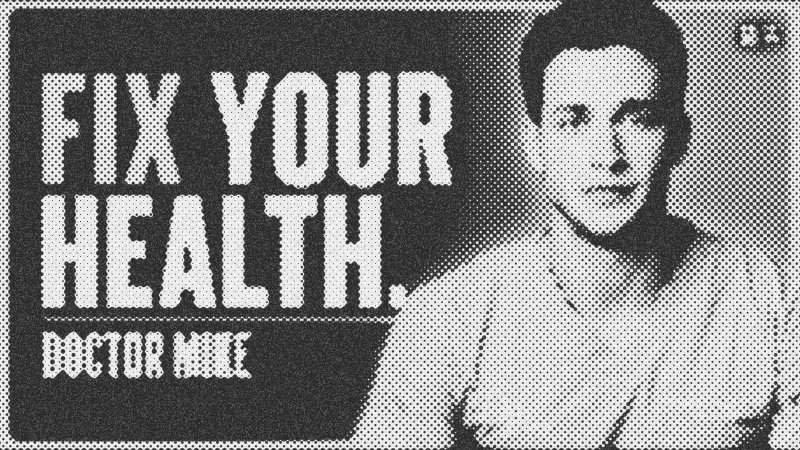
The Broken State Of The Modern Healthcare System - Doctor Mike
WatchChris Williamson // 1:37:05
