The AI Transition: A Test of Character Rather Than Tech
The Human Problem Behind Machine Intelligence
Ray Dalio argues that the greatest challenge of AI isn't the code itself, but our collective inability to handle the disruptions it triggers. We are entering an era where thinking applies to everything, from medicine to construction. While the potential for productivity is staggering, the implementation will likely lag behind. The core issue remains a human nature problem. History shows that during times of prosperity, societies often find ways to work together. However, when economic shifts create friction, we tend to revert to self-interest and conflict. AI will act as a mirror, reflecting our capacity—or lack thereof—to solve problems together.
The Widening Gap of Prosperity
The most pressing economic implication involves the radical enrichment of a few versus the displacement of the many. Chris Williamson notes that the "haves and have-nots" dynamic will likely intensify. Middle management, legal analysts, and even historians face displacement, while a tiny percentage of the population captures the vertical growth of technology companies. This creates a polarization that fuels populism and internal political tension. We are looking at a future where wealth and productivity might decouple from traditional labor, leaving society to grapple with how to distribute resources fairly.
Navigating the Disruption Wisely
True resilience during this shift requires more than just technical upskilling; it demands a shift in mindset. We must decide if the collective good outweighs individual gain. The transition will be messy because incorporating these tools into companies and lives happens slower than the technology evolves. If we fail to navigate this with wisdom, the resulting anger and social fragmentation could lead to the same brutal cycles of history we see during periods of declining prosperity. Success depends on whether we can apply the "golden rule" to a landscape being rewritten by algorithms.
- AI
- 33%· products
- Chris Williamson
- 17%· people
- Microsoft
- 17%· products
- Modern Wisdom
- 17%· media
- Ray Dalio
- 17%· people
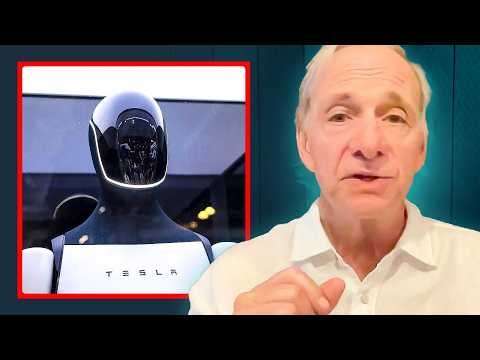
AI Will Test Human Nature - Ray Dalio
WatchChris Williamson // 11:13
