The Struggle for Ultimate Authority: Unpacking the Tension Between Modern Politics and Faith
The Historical Erosion of Faith in Governance
The relationship between the political left and religious institutions has undergone a profound transformation. What was once an inclusive platform for diverse faiths now appears to have developed a visceral aversion to the mention of a higher power. This shift is not merely a change in policy, but a fundamental realignment of values. Historically, leaders like Jimmy Carter navigated their public service through the lens of Evangelical Christianity without immediate backlash. Today, however, that same religious conviction is often viewed through a lens of suspicion, signaling a departure from the pluralistic roots of the Democratic Party.
Institutional Secularism as a Tool of Power
Tulsi Gabbard argues that the current drive to remove God from public life is fueled by a desire for centralized authority. When a political entity rejects objective truth, it creates a vacuum that the state seeks to fill. By challenging the religious identities of figures like Amy Coney Barrett, institutional actors attempt to establish a "religious test" for public office, subtly undermining constitutional protections. This movement aims to position the government, rather than a spiritual foundation, as the ultimate arbiter of truth, morality, and acceptable speech.
The Decentralization of Meaning
A direct relationship with a higher power offers individuals an internal compass that exists outside of state control. Chris Williamson notes the historical parallel of William Tyndale, who was persecuted for making the Bible accessible to the common person. Decentralizing spiritual access removes the middleman, or "conduit," between the individual and their sense of purpose. In a modern context, if citizens derive their meaning from a source beyond the government, they become less susceptible to the mandates of a political elite. The tension, therefore, is not just about theology; it is about who holds the final influence over the human heart.
Conclusion: The Risk of Moral Disconnect
The push toward a radical secularism that ignores biological realities and spiritual needs often results in policies that lack basic human logic. When power becomes the primary goal, the second- and third-order consequences of these shifts are frequently ignored. Protecting the freedom to practice faith in both private and public spheres remains essential for a resilient society. Without this balance, we risk trading personal sovereignty for a rigid, state-sponsored dogma that fails to respect the complexity of the human spirit.
- Amy Coney Barrett
- 10%· people
- Chris Williamson
- 10%· people
- Democratic Party
- 10%· organizations
- Dianne Feinstein
- 10%· people
- Jimmy Carter
- 10%· people
- Other topics
- 50%
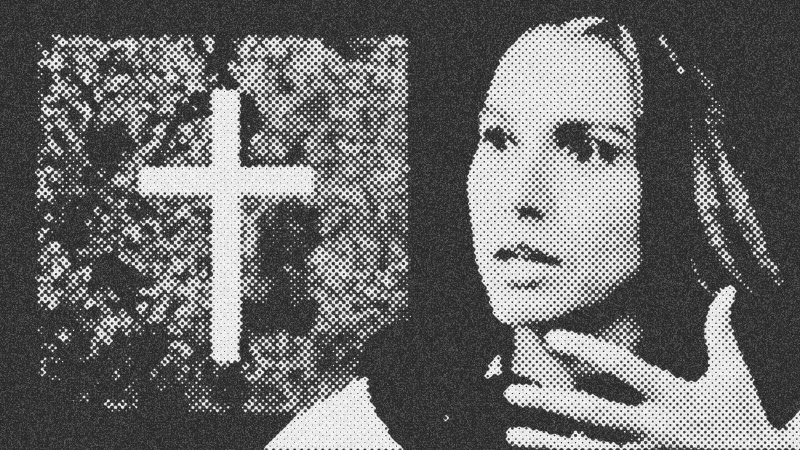
Why The Left Has Abandoned Religion - Tulsi Gabbard
WatchChris Williamson // 9:54
