The Modern Intimacy Crisis: Reclaiming Connection in a Culture of Isolation
The Devaluation of Love in a Marketed Society
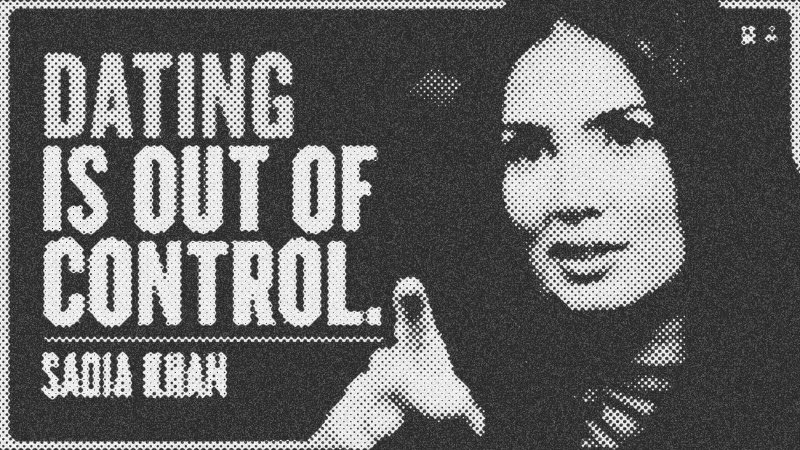
Modern culture has increasingly positioned love as a liability rather than a fundamental human need. We see this reflected in popular media, where stories are increasingly devoid of romantic resolution, and in social media narratives that label any form of vulnerability as toxic. This shift isn't accidental; independence creates customers. When people are isolated, they are more likely to seek fulfillment through cosmetic surgery, social media engagement, and various forms of digital consumption. Marketing thrives on the idea that connection is unnecessary and that the "inner citadel"—a psychological retreat where we pretend we don't want what we cannot get—is the safest place to reside.
Labeling love as toxic is often a defense mechanism for those who have experienced a painful ending to a relationship. Just as a bad ending can ruin an otherwise great movie, a traumatic breakup often causes individuals to define the entire concept of love by that final, negative chapter. This leads to a widespread obsession with labeling ex-partners as "narcissists," a term that often serves to strip individuals of their own responsibility in the toxic dynamic. Love itself is not toxic; rather, our behaviors and poor decision-making when we are vulnerable create toxicity. By armoring ourselves against connection, we aren't protecting our hearts; we are capping our human potential.
The Psychology of Social Shaming and Sexual Selection
One of the most complex dynamics in modern dating is the role of intrasexual competition, which manifests through "slut-shaming" and "simp-shaming." Contrary to popular belief, women are often the primary drivers of slut-shaming. This is a form of verbal aggression used to devalue competitors. From an evolutionary perspective, women are invested in ensuring that other women do not lower the "price" of sex. When sex is given without loyalty or resources, it devalues the sexual capital of all women in that environment. Therefore, women often shame those they perceive as a threat—specifically attractive women who might attract their own partners or deplete local resources.
In the opposite direction, men engage in "simp-shaming" for the exact same reason. Men are concerned with the devaluation of resources. A "simp" is a man who provides provision and protection—the highest value resources a man holds—in exchange for nothing or for mere digital attention. This frustrates other men because it raises the "price" of connection by rewarding behavior that requires no reciprocal commitment. Both forms of shaming are attempts to regulate the mating market and ensure that competitors of the same sex do not give away the most valuable resources for too little in return. This adversarial atmosphere makes genuine connection increasingly difficult, as both sexes feel they are navigating a minefield of social judgment.
The "Nice Guy" Fallacy and the Masculinity Gap
The phenomenon of the "Nice Guy" who fails in dating is not actually about being too kind; it is about a lack of boundaries and masculinity. True masculinity is defined by a willingness to walk away and the ability to set firm boundaries. Women do not actually want a man who is a tyrant, but they do want a man who can make decisions and lead with reassurance. When a man is overly pliable and allows a woman to make every decision, she slowly loses respect for him. She feels she has to "raise" him rather than partner with him, leading to a breakdown in attraction.
Many men struggle with this because they lack the "low stakes training ground" that female friendships provide. Men who have no female friends often fail to understand the "code" of female communication. They take things literally when they are meant symbolically, or they fail to see the protective strategies women use when they are falling in love. Female friends can translate the "matrix" of dating, helping men understand why a woman might text slowly or act dismissively. Without this insight, men often oscillate between being overly nice (weak) and being needlessly aggressive (overcompensating). The most eligible partner is the man who has a backbone, an opinion, and the self-esteem to walk away from a situation that doesn't align with his values.
The Impact of Absent Fathers and Childhood Blueprints
Our early attachment to our parents creates a template for our future relationships. The rise in single-parent households, particularly those where mothers block access to fathers, has profound implications for how both boys and girls date as adults. Boys raised in environments where the father is vilified often grow up with a "savior complex." They put women on a pedestal as innocent victims and gravitate toward broken women they think they can fix. This is a form of narcissism, as they seek an ego boost from being the source of someone else's healing. However, you cannot compete with someone's childhood trauma, and these men often end up in abusive cycles.
For girls, growing up without a father often pushes them into "survival mode." They may seek out significantly older men not because of intellectual compatibility, but because they are sexualizing the safety and provision they missed as children. Conversations about mortgages and savings, which might be boring to a woman with a stable father figure, become aphrodisiacs to a woman in survival mode. However, once she feels secure and has achieved financial stability, she often finds she is not actually attracted to her older partner, leading to infidelity with men her own age. This cycle highlights the importance of the father's role in providing a secure base, allowing children to develop healthy attraction patterns rather than seeking to fill a void.
Digital Proxies: AI Girlfriends and the Death of Intimacy
The emergence of AI girlfriends represents a new, more sinister version of pornography. While traditional porn dehumanizes the physical act of sex, AI companions dehumanize emotional connection. These apps promise a "partner" who never argues, never says no, and always laughs at your jokes. This creates an unrealistic emotional standard that real women can never meet. Women are hormonal, they have monthly cycles, and they have original thoughts that may conflict with their partner's. This complexity is what makes human connection gratifying.
If a significant minority of men retreats into digital proxies, it further skews the mating market. Women, seeing men prefer artificial compliance over real intimacy, will not "step up" to compete with robots; they will simply retreat into their own isolation or alternative lifestyles. This creates a society of jaded women and "incel" men, where the fear of risk and rejection has driven everyone into separate, comfortable, but ultimately hollow digital silos. Comfort is the killer of joy. We are designed to struggle, to hunt, and to overcome challenges. By removing the risk of rejection, we are also removing the possibility of genuine fulfillment.
Conclusion: The Path Back to Resilience
The crisis in modern dating is ultimately a crisis of resilience and self-esteem. We have prioritized convenience and safety over the growth that comes from discomfort. To fix the "dating problem," we must move away from transactional views of intimacy and back toward a willingness to be vulnerable. This requires men to reclaim their boundaries and women to recognize the value of a protective, principled partner. Growth happens one intentional step at a time, and the first step is recognizing that the digital and cultural substitutes for love will never provide the long-term contentment found in a real, flawed, and courageous human connection.
- Barbie
- 7%· media
- Chris%20Williamson
- 7%· people
- David%20Buss
- 7%· people
- Destiny
- 7%· people
- Extended%20Adolescence
- 7%· concepts
- Other topics
- 64%
Gen Z Has A Dating Problem - Sadia Khan
WatchChris Williamson // 2:08:00
