The Ghost in the Room: Why You Always Feel Like Someone is Mad at You
The Unseen Weight
Do you ever walk through your day with a subtle, nagging feeling that you've done something wrong? A sense of 'ambient guilt,' as if someone, somewhere, is upset with you, but you can't pinpoint who or why. This feeling isn't a personal failing or a curse unique to you. It's a deeply ingrained emotional echo from a time when your world was very small, and your survival depended on the emotional climate around you.
The Roots of Internalized Blame
Psychologically, this pattern often begins in childhood due to a developmental stage involving attribution. As children, we are wired for connection to our caregivers above all else. Our safety depends on it. However, we lack the cognitive ability to attribute their moods or actions to external factors. If a parent comes home stressed and slams a door, a child's mind doesn't think, 'They had a bad day at work.' It thinks, 'I did something wrong.' This isn't a flaw; it's a survival mechanism. To maintain that vital connection, you took on the responsibility for their emotional state, learning that it was your job to make things okay.
From Sadness to Suppressed Anger
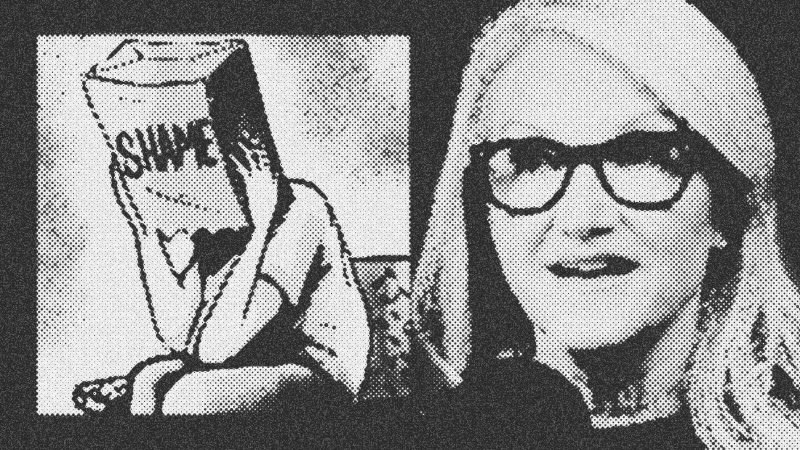
This early programming can also shape how we express difficult emotions. Many of us learn that sadness is socially acceptable while anger is not. A child quickly discovers that crying might bring comfort, whereas shouting pushes people away. This can lead to a lifetime of turning anger inward, where it manifests as sadness or that persistent feeling of guilt. You may be carrying decades of righteous anger that you were taught to repackage as sorrow.
Actionable Steps: Reclaiming Your Narrative
Recognizing the pattern is the first, most powerful step. When that feeling of ambient guilt arises, pause and practice these steps:
- Acknowledge the Feeling: Simply say to yourself, "I'm feeling that old sense that someone is mad at me."
- Question Its Origin: Ask, "Is this feeling based on a present reality, or is it an echo from my past?"
- Offer Self-Compassion: Remind yourself that this was a protective strategy you developed as a child. Thank that younger part of you for trying to keep you safe.
- Choose a New Truth: Affirm a new belief. "I am an adult now. I am not responsible for the moods of others. I am safe."
A Shift in Perspective
This old programming is not a bug; it was once a life-saving feature. It shows how incredibly adaptive you were in a challenging environment. But what served you then may not serve you now. You have the power to look at this internal 'setting' and decide if it still works for you. This isn't about erasing the past, but about integrating its lessons without letting it drive your present.
Concluding Empowerment
Your greatest power lies in this awareness. You are no longer that helpless child. By identifying these old levers, you can consciously choose to pull new ones—ones that reinforce your strength, your capability, and your fundamental right to feel secure in your own skin, regardless of the emotional weather around you.
- Ambient Guilt
- 13%· topics
- Attribution (psychology)
- 13%· topics
- Bernie Sanders
- 13%· people
- Childhood Development
- 13%· topics
- Chris Williamson
- 13%· people
- Other topics
- 38%
“All My Life, I Felt Like Someone Was Mad at Me.” - Mel Robbins
WatchChris Williamson // 11:27
