Danny Trejo reveals how Charles Manson used hypnosis to simulate drug highs
The unassuming presence of a scrawny vagrant
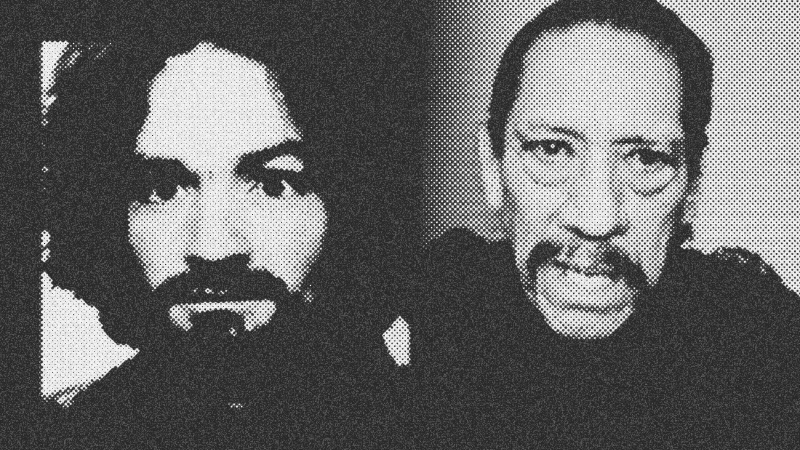
Long before he became a symbol of cult-driven terror, Charles Manson appeared as little more than a scrawny, impoverished prisoner. Danny Trejo recalls meeting him in the county jail, noting that Manson stood barely five-foot-five and looked like a bum, tying his pants with string because he could not afford a belt. In an environment where strength and presentation were currency, Manson was an outlier—a man who seemed more likely to be a victim of prison violence than a mastermind of manipulation.
Protective barriers and a strange exchange
Recognizing his physical vulnerability, Trejo and his cellmates—a group that included seasoned, dangerous men—decided to protect Manson. They allowed him to sleep in front of their cell to ensure no one would take advantage of his small stature. However, this was not purely an act of charity. The group discovered that Manson possessed a peculiar talent: he could perform hypnosis. In the stark, deprived environment of a jail cell, this skill became a form of psychological currency that Manson used to secure his safety.
Psychological highs without the substances
During a remarkable display of mental control, Manson successfully convinced the prisoners they were under the influence of marijuana and heroin. He guided them through the physical sensations of a high despite the total absence of actual drugs. The effect was so profound that Trejo experienced violent physical reactions, including vomiting, traditionally associated with heavy drug use. This incident highlighted Manson's ability to tap into the mind's expectations to override physical reality, creating a shared hallucination among hardened criminals.
The requirement of mental blueprints
One prisoner failed to succumb to the hypnotic trance, revealing a limitation in Manson’s technique. When questioned why he couldn't get one specific inmate high on heroin, Manson explained that the mind cannot simulate an experience it hasn't lived. If a person has never used a specific drug, their brain lacks the "reactivity blueprint" necessary for the hypnosis to take hold. It was a chilling insight into how Manson later manipulated followers; he wasn't creating something from nothing, but rather hijacking existing vulnerabilities and memories.
Exploiting the broken and the primed
Reflecting on Manson’s eventual rise as a cult leader, Trejo notes that Manson’s true power lay in finding people who were already "broken." Just as he used his psychological tricks to offer a mental escape to prisoners, he later used acid and a promise of leadership to ensnare vulnerable young women in San Francisco and Oakland. These individuals were already being exploited by the world around them, making Manson’s specific brand of manipulation feel like a form of salvation rather than a new kind of trap.
- Charles Manson
- 14%· people
- Danny Trejo
- 14%· people
- George Perry
- 14%· people
- Modern Wisdom
- 14%· organizations
- Oakland
- 14%· locations
- Other topics
- 29%
Charles Manson Did Unthinkable Things in Jail - Danny Trejo
WatchChris Williamson // 4:27
