The Science of Living Better: Neurobiology, Love, and the Art of Resilience
The Architecture of Human Flourishing
True growth rarely arrives in a moment of sudden enlightenment. Instead, it emerges through a consistent, almost clinical application of self-awareness and psychological discipline. The journey of personal development requires us to look past the surface of our impulses and recognize the biological machinery driving our behavior. By understanding the neurochemical underpinnings of our emotions, we can transition from being passive observers of our lives to active architects of our destiny. This shift begins with the recognition that our greatest power lies in our inherent strength to navigate challenges, moving forward one intentional step at a time.
Success in any field, whether professional or personal, relies on a specific set of table stakes: curiosity and cognitive ability. However, the true differentiators are attention to detail, a high capacity for suffering, and radical consistency. When the initial novelty of a project fades, most people quit. The ones who thrive are those who can find meaning in the repetition, recognizing that the process of getting better is often synonymous with the process of enduring boredom. This capacity for "delayed gratification" is not just a personality trait; it is a neurobiological muscle that we must train daily to achieve our highest potential.
The Neurochemical Stages of Love
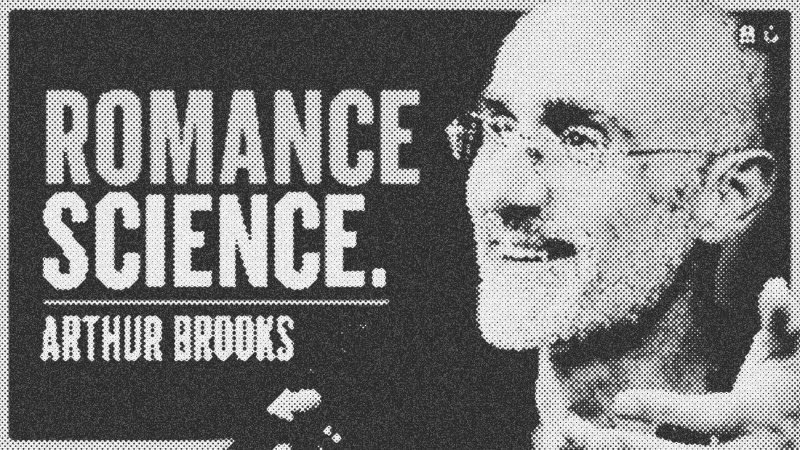
Falling in love is often described as a metaphysical event, but science reveals it to be a sophisticated, four-stage neurochemical cascade. Understanding these stages is critical for anyone seeking to build a lasting pair bond, as it allows us to manage the "psychedelic fugue state" of early romance with greater wisdom. The process begins with Ignition, driven by sex hormones like estrogen and testosterone. This stage is purely about attraction and the physical storefront of a potential partner. Without this hormonal spark, the relationship never gains the momentum required to move into deeper waters.
The Rush of Anticipation and Euphoria
The second stage involves a surge of dopamine and norepinephrine. This is the "reward" phase, where a single text message can trigger a sense of euphoria. At this point, psychology is essentially biology. Our brains become wired to seek the presence of the other person, creating a variable schedule of reinforcement that mimics addiction. We aren't just falling for a person; we are falling for the neurochemical high they provide. Recognizing this allows us to hit the brakes before our impulses lead us to make premature life decisions.
The Agony of Rumination
The third, and perhaps most painful, stage is marked by a drop in serotonin. Low serotonin is associated with clinical depression and obsessive rumination. In the context of love, this drop forces us to obsess over the partner, performing "surveillance behavior" and feeling intense jealousy. This misery is paradoxically functional: it bonds us to the other person by making them the sole focus of our mental energy. High-serotonin individuals, who remain calm and mellow, often struggle to fall in love because they lack the obsessive drive required to form a deep emotional imprint.
The Kinship of Oxytocin
The final stage is the transition to Companionate Love, mediated by oxytocin and vasopressin. This is the bonding phase where a partner is adopted into our "kin group." This stage is built through direct eye contact and physical touch. While the passion of the earlier stages may fluctuate, the oxytocin bond provides the stability required for a lifelong partnership. The goal of any romantic endeavor is to arrive at this best-friendship through the fire of the previous three stages, rather than trying to leapfrog directly to the end.
Managing the Insecure Overachiever
Many high-performers identify as "insecure overachievers." This personality profile is characterized by a tendency to ruminate aggressively and an inability to clear stress hormones like cortisol and adrenaline quickly. While these traits often fuel professional success, they can be destructive in personal relationships. The key to managing this temperament lies in metacognition—the ability to think about your thinking. By moving strong, aversive emotions from the limbic system to the prefrontal cortex, we can analyze our feelings rather than being ruled by them.
Anxiety is best defined as unfocused fear. In our ancestral environment, fear was episodic and intense—a response to a specific threat like a predator. Today, fear is chronic and mild, triggered by social media and professional pressures. To master this, we must turn anxiety into concrete fear. This involves identifying the specific source of the stress, determining the worst-case scenario, and planning a response to that scenario. When we give our fear a direction and a plan, the brain's HPA axis calms down. We stop being a prisoner of our biology and start becoming its manager.
The Trap of Professional Specialness
A common pitfall for successful individuals is the addiction to "specialness" over happiness. Mother Nature does not care if we are happy; she only cares that we survive and pass on our genes. This drives us to seek status, resources, and external validation—traits that make us "special" in the eyes of the world but often leave us emotionally bankrupt. Success addiction works like any other dependency; we constantly seek the next gold star, the next promotion, or the next million subscribers to feed the beast of our ego.
This addiction often leads to mediocrity in the home. We invest our best energy into our careers because the professional world provides a predictable reward for our effort. However, your career will never keep you warm at night. To find true fulfillment, we must be willing to trade specialness for the deep, often unglamorous work of building a meaningful life. This requires us to be "admirable" in our public lives but deeply "adoring" in our private ones. If you are 100% admirable and 0% adoring, you will lose the very relationships that give life its meaning.
Navigating Career Transitions and Wisdom
As we age, our cognitive strengths shift from Fluid Intelligence to Crystallized Intelligence. Fluid intelligence is the ability to solve complex problems, innovate, and focus with high intensity. This typically peaks in our late 30s. Crystallized intelligence is the ability to use what we know—wisdom, teaching, and pattern recognition. This increases well into our 70s and 80s. Many people suffer as they age because they try to stay on the fluid intelligence curve, chasing past glories rather than walking onto the curve of wisdom.
The most successful transitions involve moving from being an innovator to being an instructor. This shift allows us to mentor others and share the "corpus of knowledge" we have acquired. Society needs more "old people" in leadership positions—not to innovate at the speed of youth, but to provide the steadying hand of experience. By recognizing which curve we are on, we can reboot our lives every decade, finding new ways to contribute and stay relevant without the desperate need to compete with our younger selves.
Conclusion: Embracing the Struggle
Meaning and happiness are not separate goals; they are intertwined. Meaning often requires us to embrace unhappiness, recognizing that suffering is a standard part of the human experience. Those who try to eliminate all discomfort from their lives paradoxically eliminate their chances for true joy. Whether we are navigating the complexities of a marriage, managing our internal anxieties, or transitioning between career phases, the path forward is always the same: respect the biology, apply the science, and move forward with intentionality. Growth happens one step at a time, and the most important step is always the one that moves us closer to the people we love and the purpose we serve.
- Arthur Brooks
- 6%· people
- Companionate Love
- 6%· concepts
- Crystallized Intelligence
- 6%· concepts
- David Buss
- 6%· people
- dopamine
- 6%· products
- Other topics
- 69%
You Can’t “Solve” Your Relationship - Arthur Brooks
WatchChris Williamson // 2:02:38
