The Psychology of Pruning: Why Cutting Back Is Essential for Growth
The Unseen Weight of Accumulation
Growth feels like addition. More skills, more responsibilities, more connections. But every system, from a national organization to a single human mind, eventually suffers from accumulation. We add without subtracting. This creates a hidden drag on our potential, a 'bureaucratic bloat' of the soul. Understanding the courage it takes to prune this excess is the first step toward reclaiming our agility and purpose.
The Empire-Building Instinct
Why do organizations and individuals become top-heavy and inefficient? It stems from a deeply human drive. As discussed by Jocko Willink, leaders naturally seek to expand their influence and perceived importance. This creates layers of management and complexity that obscure the primary mission. In our own lives, we do the same, collecting commitments and routines that bolster our ego but drain our energy, slowly insulating us from what truly matters.
Anatomy of a Change Agent
Embracing Necessary Disruption
True transformation requires a 'change agent' mindset, as seen in the actions of figures like Pete Hegseth at the Department of Defense or Elon Musk at Twitter. This isn't about chaos for its own sake. It is about a radical focus on the essential. A change agent must possess the psychological resilience to withstand criticism from the establishment—those who find comfort in the status quo. They understand that short-term stability is often the enemy of long-term vitality.
The Calculus of Collateral Damage
Decisive action inevitably creates friction. The willingness to accept 'collateral damage'—trimming a program that may need to be reinstated later—is not recklessness. It is a calculated risk. It reflects a mindset that prioritizes mission clarity above all else. This process tests the system, revealing what is truly indispensable versus what is merely comfortable. It forces a conversation about value, ensuring every piece of the structure justifies its existence.
Pruning Your Own Life
This principle applies directly to personal growth. Audit your commitments, habits, and even your beliefs. What have you accumulated that no longer serves your core mission? Trimming these areas feels like a loss, but it is an intentional act of creating space. By removing the non-essential, you reallocate your most precious resources—time, energy, and focus—toward what generates real meaning and progress.
Conclusion: A Lean and Purposeful Future
Strength is not measured by size, but by efficiency and impact. Whether streamlining a massive organization or clarifying your personal priorities, the process is the same. It requires the courage to challenge what has always been and the vision to see what could be. By intentionally cutting back, you create a lean, powerful system ready to meet any challenge with focus and integrity.
- Chris Williamson
- 9%· people
- Department of Defense
- 9%· organizations
- Elon Musk
- 9%· people
- Jack Dorsey
- 9%· people
- Jocko Willink
- 9%· people
- Other topics
- 55%
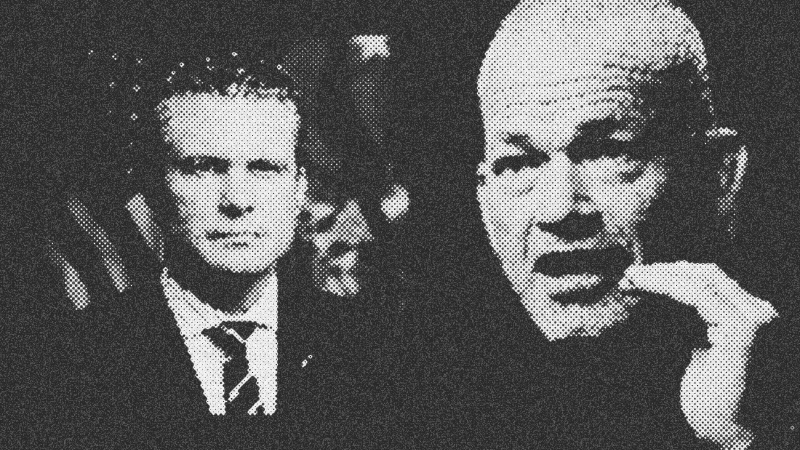
“This Is What I Think Of Pete Hegseth” - Jocko Willink
WatchChris Williamson // 8:13
