Weinstein links Harris campaign slogan to Marxist concepts of cultural erasure
The Roots of Political Language
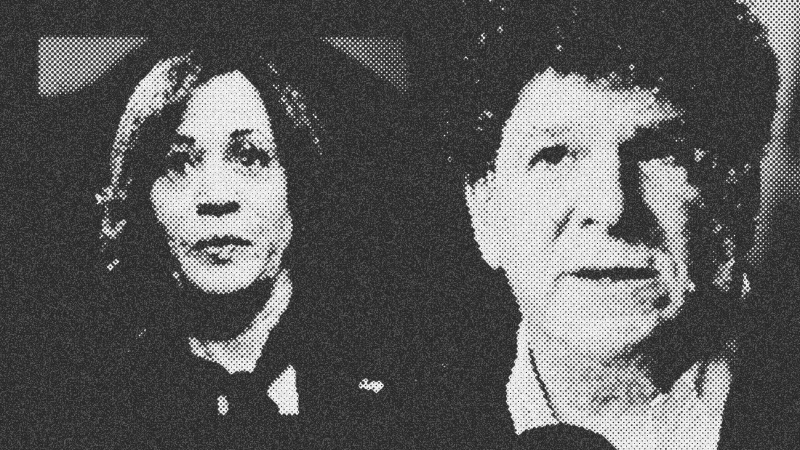
When politicians repeat targeted slogans, the public often dismisses them as empty rhetoric. However, public intellectual Eric Weinstein suggests that Kamala Harris' signature phrase, "what can be unburdened by what has been," contains deep philosophical baggage. Rather than simple word salad, the phrase echoes Karl Marx and the radical desire for a blank slate.
The Philosophy of the Blank Slate
To construct a new societal order, historical memory must often be swept away. Authoritarian regimes historically targeted intellectuals, doctors, and teachers because these professionals anchor a society to its past. This systematic erasure of cultural heritage allows revolutionary forces to impose a new system without resistance from established traditions.
The Mechanics of Political Performance
Critics frequently underestimate political actors by focusing on surface-level awkwardness. Weinstein argues this misinterpretation fails to recognize political theater, or "kayfabe." Just as professional wrestlers play distinct roles, modern politicians construct calculated personas. George W. Bush famously shifted from a sharp gubernatorial debater to a folksy caricature. Such shifts are deliberate strategies to disarm critics and appeal to specific demographics.
Behind the Public Persona
Harris’ intellectual pedigree suggests her rhetoric is far from accidental. Her father, Donald J. Harris, is a prominent Marxist-influenced economist and professor emeritus at Stanford University. This familial background indicates an intimate familiarity with leftist political theory. The democratic establishment routinely integrates neo-Marxian ideas, signaling that top-tier political messaging operates with high-level coordination and intentionality.
- Donald J. Harris
- 17%· people
- Eric Weinstein
- 17%· people
- George W. Bush
- 17%· people
- Kamala Harris
- 17%· people
- Karl Marx
- 17%· people
- Modern Wisdom
- 17%· podcasts
There Is Way More To Kamala Harris Than You Think - Eric Weinstein
WatchChris Williamson // 11:11
