The High Cost of Institutional Overreach: Why Politicized Science Fails Us
The Erosion of Institutional Credibility
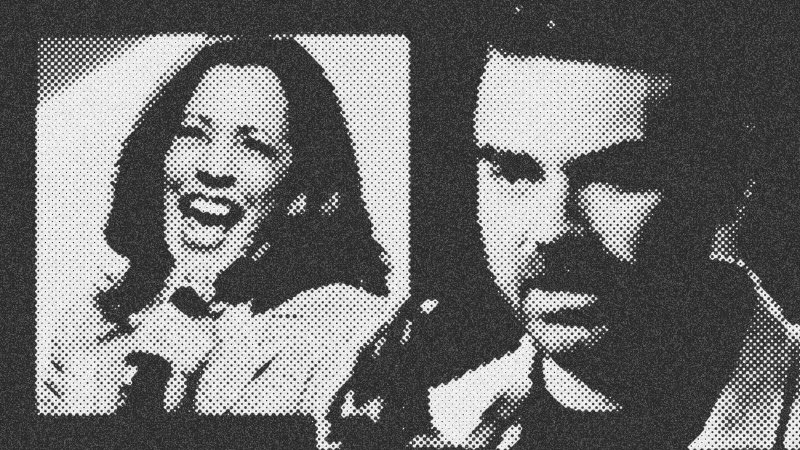
Scientific institutions risk their most valuable asset—public trust—when they step into the political arena. The recent decision by Scientific American to endorse Kamala Harris highlights a growing trend of politicization that often backfires. Instead of swaying voters, these endorsements frequently damage the reputation of the publication itself. Research suggests that when a scientific journal like Nature takes a political stance, it doesn't change minds about the candidates; it simply lowers the public’s confidence in the objectivity of American scientists.
The Trap of Ultracrepidarianism
A critical concept in this discourse is ultracrepidarianism—the habit of giving opinions on matters outside one's scope of knowledge. When editors of a scientific journal pivot to political strategy, they operate far beyond their expertise. This overreach creates a "blanket coverage" effect where skeptics, seeing a biased political take, begin to doubt the institution's legitimate scientific findings on health or the environment. Credibility is difficult to build but incredibly easy to shatter with a few visible cracks in the dam of objectivity.
Emotivism and the Death of Logic
Modern political discourse is plagued by emotivism, a term popularized by philosopher Alistair McIntyre. This practice involves attributing malicious motives to opponents rather than engaging with their logic. Instead of discussing tax or foreign policy, partisans claim the other side "hates you" or "wants you to die." This rhetoric shifts the focus from rational debate to emotional warfare, making every election feel like a cataclysmic, world-ending event. This language is not just exhausting; it is dangerous, as it ramps up social tension and removes the possibility of healthy disagreement.
Guarding Your Sanity in the Chaos
To survive intense election cycles, we must recognize that a single "bump" in the road is not the "grade" of the road. We are often told that the next election is the last chance for democracy, yet history shows this is rarely true. Constant exposure to cataclysmic language serves the political class, not the citizen. Maintaining resilience requires stepping back from the 24-hour news cycle and refusing to believe that half the country is inherently evil. Real growth happens when we stay grounded in our own lives, rather than letting the "writer’s room" of political theater dictate our emotional well-being.
- Alistair McIntyre
- 11%· people
- Andrew Huberman
- 11%· people
- Ben Shapiro
- 11%· people
- Donald Trump
- 11%· people
- Joe Biden
- 11%· people
- Other topics
- 44%
Why Did Scientific American Endorse Kamala Harris? - Ben Shapiro
WatchChris Williamson // 10:10
