Huberman: Shift your circadian rhythm in just three days
Mastering the Three-Day Biological Shift
Becoming a morning person is not a matter of willpower; it is a mechanical recalibration of your Andrew Huberman. Andrew Huberman explains that while genetics influence whether you are a night owl or a lark, the biological machinery is remarkably plastic. To transition to an earlier schedule, you must endure three days of focused alignment. By the third day, your internal clock should phase-advance, allowing you to wake up naturally before your alarm.
Tools for Chronobiological Alignment
To successfully shift your rhythm, you need specific environmental triggers, known as zeitgebers. You will need access to bright morning sunlight, a space for physical movement, your preferred caffeine source, and social interaction. These elements act as signals to the Andrew Huberman, the master timekeeper in your brain, indicating that the day has officially begun.
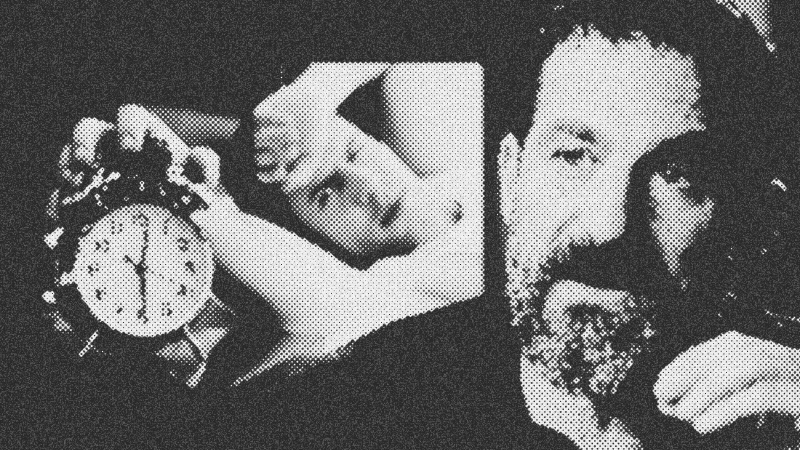
The Step-by-Step Reset Protocol
- Force the Early Rise: On day one, set your alarm for your goal wake-up time (e.g., 5:00 a.m.), regardless of how much sleep you had the night before. Consistency is the only way to signal the shift.
- View Morning Light: Immediately step outside and look toward the sun for 5–10 minutes. This is the most powerful signal to your brain to stop melatonin production and start your cortisol clock.
- Stack Your Zeitgebers: Enhance the light signal by moving your body. A short walk or jumping jacks while facing the sun creates a "super highway" of neural connections to your internal clock.
- Strategic Caffeine and Socializing: Use caffeine to boost alertness during the transition, and engage in conversation. Even interacting with a pet serves as a social rhythm trigger.
- Inoculate with Sunset: View the late-afternoon sun to adjust retinal sensitivity, protecting your sleep from artificial light later that evening.
Troubleshooting the Mid-Day Slump
You will likely feel a significant energy dip by early afternoon during this three-day period. Avoid over-consuming caffeine late in the day, as this will prevent you from falling asleep at the earlier time required for the reset. If you struggle with night-time light exposure, follow the example of Rick Rubin by using red-lens glasses to preserve melatonin levels.
The Outcome of Intentional Rhythms
Once you complete this sequence, you move from being a slave to your biology to being its architect. Aligning with your Andrew Huberman improves focus, mood, and long-term neuroplasticity. You aren't just waking up earlier; you are optimizing the fundamental system that governs human rest and cognition.
- Andrew Huberman
- 44%· people
- Chris Williamson
- 11%· people
- Huberman Lab Podcast
- 11%· organizations
- Matt Walker
- 11%· people
- Nomatic
- 11%· organizations
- Rick Rubin
- 11%· people
It Sucks for 3 Days But It Makes Waking Up Early Effortless - Dr Andrew Huberman
WatchChris Williamson // 12:15
