Erica Komisar warns divorce destroys children’s illusion of permanence
The Death of a Nuclear Foundation
Psychotherapist Erica Komisar argues that Divorce is not merely a legal dissolution but a psychological death within a family. For a child, the nuclear family acts as a "safe nest," providing a necessary Illusion of Permanence. This belief in a stable, unchanging world allows children to develop essential emotional security. When parents separate, this illusion shatters prematurely, forcing children to confront the fragility of human connections before they possess the emotional maturity to process it.
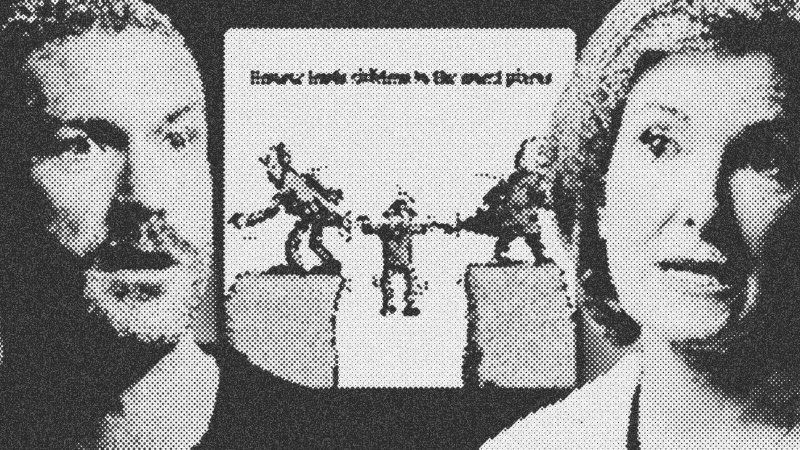
Magical Thinking and Internalized Blame
Young children navigate the world through Magical Thinking, a developmental stage where they believe they are the center of the universe. While this provides a sense of control, it carries a dark side during family conflict. If a child feels angry at a parent and that parent subsequently leaves, the child often concludes they caused the rupture. This internalized guilt creates a belief that love is something they must work harder to earn, rather than an unconditional constant.
Stuck in the Stages of Grief
Children of divorce often mirror the Kubler-Ross Stages of Grief typically associated with death. They move through disbelief, anger, and sadness. However, Komisar notes that many children—and their parents—get "stuck" like a scratch on a record. Without intervention, they may remain in a state of chronic anger or despair for decades, never reaching the final stage of acceptance.
Preventing Emotional Leakage
To mitigate long-term trauma, parents must avoid "leaking" their own pain onto their offspring. Komisar emphasizes that parents often treat children as emotional containers or surrogate therapists for their loneliness. Professional support for both parties is vital to ensure that the adult’s need for "fairness" does not override the child’s need for stability. The way a divorced couple communicates determines whether a child will ever trust romantic connections in adulthood.
- Athletic Brewing Co
- 14%· companies
- Chris Williamson
- 14%· people
- Divorce
- 14%· concepts
- Erica Komisar
- 14%· people
- Illusion of Permanence
- 14%· concepts
- Other topics
- 29%
The Pain Children Feel About Divorce But Can’t Say - Erica Komisar
WatchChris Williamson // 11:29
