The Dangerous Illusion of the 'Nice Guy'
The Politeness Trap
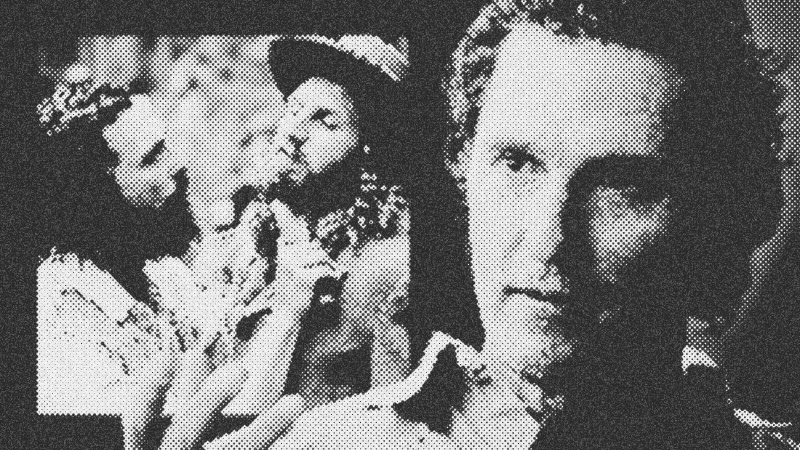
We are taught from a young age to be nice. It is a social lubricant, a way to move through the world with minimal friction. But what if this relentless pursuit of niceness is a trap? The core of our being is not defined by agreeableness. True character is forged in moments that demand more than a simple smile and a nod.
Defining the Divide: Nice vs. Good
There is a vast psychological chasm between being nice and being good. As actor Matthew McConaughey explains, a 'nice guy' prioritizes getting along. Their actions are often driven by a need for external validation and a deep-seated avoidance of conflict. They say 'yes' not from conviction, but from conditioning.
A good man, however, operates from an internal set of principles. Their actions are guided by discernment and judgment. They know what they stand for and, just as critically, what they stand against. Goodness has boundaries.
The Psychology of People-Pleasing
At its root, the 'nice guy' persona is a survival strategy. It stems from a fear of rejection or a poorly defined sense of self. When your identity is fragile, you seek reinforcement from others. You become a mirror, reflecting what you believe others want to see.
This creates an internal conflict. McConaughey felt this acutely when his film roles celebrated a one-dimensional niceness while his real life demanded the strength and conviction of impending fatherhood. He was living a life of substance but portraying a character of surface-level affability.
When Goodness Demands Action
True goodness is not passive. It is an active, often difficult, choice. A good person understands that protecting values, family, and personal integrity may require causing discomfort. It may not look 'nice' at all.
The story of musician Aaron Bugsy, shared by host Chris Williamson, serves as a raw, modern parable. Faced with a direct threat to his home and loved ones, he did not hesitate. He acted decisively, not out of aggression for its own sake, but from a duty to protect. His response was a clear demonstration of a man who confronts trouble rather than appeasing it.
The Path to Authentic Character
Moving from a 'nice' default to authentic 'goodness' is a journey of self-discovery. It requires introspection to define your non-negotiable values. What are your ideals? Where do you draw your lines?
It means practicing small acts of courage—saying 'no' when it’s necessary, stating an opinion even if it’s unpopular, and choosing the right path over the easy one. Your greatest power lies in this alignment of action and principle. That is the bedrock of a good and resilient life.
- Aaron Bugsy
- 33%· people
- Chris Williamson
- 33%· people
- Matthew McConaughey
- 33%· people
“A Good Man is Not a Nice Guy” - Matthew McConaughey
WatchChris Williamson // 7:07
