The Science of Optimization: Tools for a More Intentional Life
Your greatest power lies not in avoiding challenges, but in recognizing your inherent strength to navigate them. Growth happens one intentional step at a time. To truly realize our potential, we must often look toward the small, granular adjustments we make in our daily lives. These "life hacks" aren't just about efficiency; they are about reclaiming your mental energy and creating a environment where your best self can thrive. Whether it's the way you wake up or the speed at which you move a cursor, every detail matters in the architecture of a high-performance life.
Reclaiming Your Rest with Data-Driven Sleep
Most people view sleep as a passive state, a blank space between days. In reality, it is your most vital recovery tool. Sleep Cycle changes the relationship you have with your bedroom by turning your phone into a sophisticated sleep laboratory. It doesn't just wake you up; it waits for your lightest sleep phase within a specific window. This prevents that jarring, groggy feeling—known as sleep inertia—that often ruins a morning.
What truly makes this a tool for growth is the ability to run personal experiments. By using "sleep notes," you can track how variables like late-night caffeine, alcohol, or even the phases of the moon impact your recovery. When you see a 5% drop in sleep quality every time you have coffee after 4:00 PM, you aren't just guessing anymore. You have the objective data required to make a better choice for your well-being. If you find yourself struggling to fall asleep initially, tools like Pzizz use psychoacoustic soundscapes and gentle voice-overs to create a Pavlovian response, training your brain to switch off the moment the audio starts.
The Psychology of Unbreakable Habits
Building a habit is rarely a matter of willpower; it is a matter of design. We often fail because we rely on internal motivation, which is notoriously fickle. HabitBull and other tracking apps help, but the real secret to consistency lies in external accountability and loss aversion. The most effective way to ensure you stick to a new routine is to introduce a social or financial cost for failure.
When multiple people have access to a shared tracking document, like a Google Sheet, the pressure of being the one to "break the chain" becomes a powerful motivator. We are social creatures, and we are naturally wired to avoid looking bad in front of our peers. If you add a financial stake—where failing a habit means losing money or donating to a cause you dislike—your brain’s loss aversion kicks in. This shift from "I should do this" to "I must do this to avoid a negative consequence" is often the catalyst needed to push through the initial resistance of a new behavior.
Meditation as Mental Strength Training
Many people dismiss meditation because they find it difficult to sit still or quiet their thoughts. However, meditation is not about having a blank mind; it's about the "rep" of noticing your mind has wandered and bringing it back to center. Headspace serves as the perfect "training wheels" for this practice. It provides the cues and structure necessary for beginners to understand the mechanics of mindfulness without feeling overwhelmed.
As you progress, you might find that you need more than just a 10-minute session. For those ready to go deeper, Release Into Now by Aubrey Marcus offers a more complete, immersive experience. The goal is to move from a state change—feeling calm only while meditating—to a trait change, where that calm carries over into your stressful workday. To avoid becoming dependent on a guided voice, eventually moving toward unguided sessions using Insight Timer is essential. This builds true mental autonomy.
Quantifying the Intangible with Biofeedback
For those who are numbers-driven, the subjective nature of "feeling calm" can be frustrating. This is where biofeedback tools like the Muse Headband bridge the gap. By wearing a portable EEG device, you can see real-time data on your brain activity. The device translates your brainwaves into sounds; if your mind is busy, you hear a storm; if you are calm, the weather clears and you hear birds chirping.
This immediate feedback loop is transformative. It teaches you exactly what a "calm" state feels like from the inside out. Instead of wondering if you are "doing it right," you have objective proof. This gamification of mindfulness makes it easier for analytical minds to commit to the practice. Over time, you begin to recognize these internal shifts without the device, allowing you to regulate your nervous system on demand.
Micro-Efficiency and the Power of 10%
Small frictions in our digital environment add up to massive amounts of wasted time and cognitive load. A prime example is your computer's trackpad speed. Most people leave their settings at the factory default, forcing their hands to make large, sweeping movements to move a cursor across the screen. By maximizing your trackpad speed, you can increase your digital efficiency by an estimated 10%.
At first, it will feel chaotic. You will overshoot your targets and feel a lack of control. But within a few days, your brain adapts, and your movements become precise and lightning-fast. This is a microcosm of personal growth: embracing temporary discomfort to reach a new baseline of performance. Other micro-hacks, like using Media Monster to film your gym sets without pausing your music, or using WaterLogged to gamify hydration, ensure that your environment supports your goals rather than hindering them.
Efficiency is not about doing more things; it’s about removing the obstacles that prevent you from doing the right things with your full attention. Start with one tool, master it, and then look for the next friction point you can smooth away. Your future self is waiting for the version of you that refuses to settle for the default settings.
- Andy Puddicombe
- 7%· people
- Aubrey Marcus
- 7%· people
- Dave Asprey
- 7%· people
- HabitBull
- 7%· products
- Headspace
- 7%· products
- Other topics
- 67%
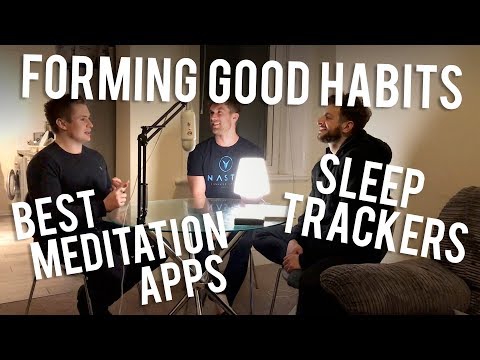
Life Hacks 102
WatchChris Williamson // 39:25
