Peter Attia warns young men against hormone replacement trends
We live in an era obsessed with optimization. We track our steps, weigh our macros, monitor our sleep stages, and biological age. Yet, in this relentless pursuit of physical perfection, we often lose sight of a deeper reality: the human experience is not a spreadsheet. True longevity is not just about adding years to your life, but adding life to your years.
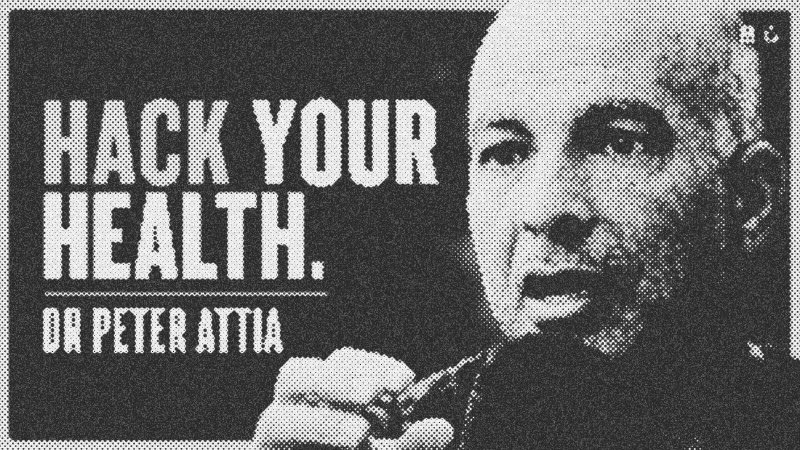
When we look at the choices that define our health, we must shift our perspective from short-term fixes to long-term compounding. This principle applies to our muscles, our metabolic systems, and our minds. Dr. Peter Attia, a prominent voice in the preventative medicine space and author of the bestselling book Outlive, challenges us to rethink our approach to wellness. True health requires a balanced integration of physical, cognitive, and emotional well-being. If you optimize your body but neglect your mind, you are building a temple on a foundation of sand.
The Broken Paradigm of Reactance and Medicine 2.0
The modern healthcare system excels at crisis management. If you get hit by a car, require open-heart surgery, or contract an acute infection, there is no better place to be than a modern hospital. This is what we call Medicine 2.0. It is a system designed to treat disease after it manifests, patching up the damage once the dam has already breached.
Unfortunately, this reactive model fails when it comes to chronic, slow-brewing diseases of aging. Heart disease, cancer, type 2 diabetes, and neurodegenerative decline do not happen overnight. They compound silently over decades. The business model of traditional insurance and healthcare is simply not set up for prevention. There are very few insurance reimbursement codes for the lifestyle and behavioral interventions that actually extend healthspan.
This structural failure leaves individuals vulnerable, often resulting in egregious costs for minor procedures. To build a robust health span, we must transition to Medicine 3.0. This new paradigm focuses on early, personalized, and proactive prevention. It is the difference between trying to survive a shipwreck and learning to navigate away from the iceberg miles in advance.
How Young Men Misunderstand Hormone Replacement Therapy
One of the most concerning trends in the modern fitness and wellness space is the rapid rise of Testosterone Replacement Therapy (TRT) among young men. Driven by social media and a desire for easy optimization, men in their twenties and thirties are increasingly turning to exogenous hormones to cure symptoms of fatigue, low libido, and poor mood.
This trend is deeply concerning because many young men do not understand the long-term biological consequences of their choices. When you introduce exogenous testosterone into your body, your endogenous production shuts down. Your testicles stop producing sperm, which can severely compromise fertility. For a man in his fifties, lifetime dependency on TRT might be a reasonable trade-off. For a twenty-four-year-old who may want to start a family in a decade, it is an enormous, often irreversible risk.
Furthermore, many clinics capitalize on this trend by prescribing super-physiologic doses. This is not replacement; it is mild steroid abuse. Pushing testosterone to extreme levels introduces severe risks. It can cause the bone marrow to produce red blood cells at an alarming rate, thickening the blood and increasing cardiovascular risk. It also forces men to take additional medications, such as aromatase inhibitors and five-alpha-reductase inhibitors like finasteride, to combat side effects like gynecomastia and hair loss. Instead of finding a natural balance, they end up in a complex, pharmaceutical-induced feedback loop.
Before jumping into hormone replacement, young men must look at the upstream causes of their symptoms. Chronic stress and poor sleep are the ultimate killers of natural hormone production. High cortisol directly suppresses the pituitary-gonadal axis. By simply fixing your sleep hygiene and reducing psychological stress, you can frequently raise your total testosterone by three hundred to four hundred nanograms per deciliter. This is a far safer, more sustainable victory than a lifetime of injections.
Re-wiring the Castigating Inner Monologue
Many high-achieving individuals believe that self-criticism is the secret to their success. They harbor a harsh, scolding inner voice that whips them into submission every time they fall short of perfection. This inner tormentor is often viewed as a necessary evil to maintain high standards.
This is a dangerous myth. There is a profound difference between holding yourself to high standards and constant, destructive self-berating. When your inner voice screams that you are worthless because you made a mistake, it triggers a cascade of stress and rage that leaks into every corner of your life.
To break this habit, you must actively reprogram your brain. Thoughts alone are not enough; you must use the power of the audible voice to exploit neuroplasticity. When you catch yourself in a moment of self-loathing, take out your phone and record a voice memo. In that recording, describe the situation as if you were speaking to a dear friend or a sibling who had just made the exact same mistake.
Naturally, you will find yourself using a much more compassionate, rational tone. You might say, "I know you are frustrated, but you had a lot on your mind today, and the conditions were not ideal. Tomorrow is a new day to focus on the process." By practicing this exercise three to five times a day, you can turn down the volume of your inner critic. Within months, that harsh inner voice can dissipate entirely, proving that our psychological defaults are far more malleable than we think.
The Strategic Cognitive and Longevity Supplement Protocol
While lifestyle changes form the bedrock of health, targeted supplementation can provide meaningful support for cognition and longevity. However, we must avoid the trap of majoring in the minor. No pill can outwork a bad diet, a sedentary lifestyle, or chronic sleep deprivation.
For general health and physical performance, most individuals will benefit from a few foundational supplements. Magnesium is critical, but it must be taken in the right forms. For cognitive benefits and better brain absorption, magnesium L-threonate is highly effective. For muscle function, physical activity, and avoiding cramps, slow-release formulations are preferred, while magnesium oxide supports gastrointestinal regularity.
Beyond magnesium, creatine monohydrate remains one of the most thoroughly researched and effective supplements on the planet. Taking a simple five-gram daily dose saturates muscle tissue over time, aiding both physical power and cognitive processing. High-quality omega-3 fatty acids, particularly those rich in EPA and DHA, are also essential to support cardiovascular and brain health, especially for those who do not consume fatty fish regularly.
When it comes to addressing specific biological markers, like elevated homocysteine, methylated B vitamins and trimethylglycine (TMG) can help bring those numbers back to a safe range. This is particularly relevant for brain health, as high homocysteine is a known risk factor for dementia and vascular decline. By focusing on these evidence-based, targeted interventions, we can optimize our biology without falling for the empty promises of the latest wellness fads.
Creating an Emotional Training Regime for Life
Physical fitness declines with age. No matter how hard you train, how pristine your diet is, or what supplements you take, your maximum physical capacity at ninety will not match your capacity at twenty. Your cognitive processing speed will also experience a natural, age-related slowdown.
But there is one component of healthspan that does not have to decline with age: your emotional health. In fact, your emotional well-being is the only piece of the longevity puzzle that can actually improve as you grow older.
This does not happen by accident. Just as you must work your muscles to prevent sarcopenia, you must actively train your mind to build emotional resilience. This means committing to deep, often uncomfortable self-exploration, whether through therapy, mindfulness, or dedicated behavioral practices.
An emotional training regime requires you to step back from the busyness of life and observe your internal state with curiosity rather than judgment. When you find yourself in a negative mood, do not ignore it or power through it. Ask yourself what basic, underlying emotion is driving that state. Is it a fear of loss? Is it a feeling of humiliation? By identifying the root cause, you can begin to problem-solve rationally, transforming a destructive emotional storm into a valuable point of self-discovery.
- Andrew Wakefield
- 14%· people
- creatine monohydrate
- 14%· products
- finasteride
- 14%· products
- Magnesium
- 14%· products
- omega-3 fatty acids
- 14%· products
- Other topics
- 29%
How To Improve Sleep Quality, Muscle Growth & Daily Mood - Dr Peter Attia (4K)
WatchChris Williamson // 3:29:01
