The Druggification of Connection: Social Media and Your Reward System
The Neurobiology of Social Bonding
Human connection is not merely a social preference; it is a biological imperative shaped by millions of years of evolution. Our survival once depended on tribal cohesion, and our brains developed a sophisticated reward mechanism to ensure we stayed together. When we engage in meaningful interaction, the hormone Oxytocin binds to neurons in our reward pathway, triggering a release of Dopamine. This neurochemical handshake makes connection feel good, reinforcing the behaviors that keep us bonded to others. Social media exploites this ancient circuitry, transforming natural interaction into a potent, digital drug.
The Four Pillars of Digital Addiction
Social media platforms utilize four specific levers to maximize addictive potential: access, quantity, potency, and novelty. Unlike traditional social interactions that required physical effort and carried the risk of boredom, digital connection is instantaneous. Platforms like TikTok offer an infinite quantity of content, ensuring the user never hits a natural stopping point. Engineers increase potency by layering beautiful imagery with gaming elements, music, and flashing lights. Finally, AI algorithms prioritize novelty, identifying subtle variations in content to keep the brain's "treasure hunting" function permanently active.
Quantifying Status and Reputation
One of the most insidious features of modern technology is the enumeration of social value. By assigning numbers to likes, views, and followers, platforms provide a clear ranking system that our brains find incredibly reinforcing. This mathematical representation of reputation triggers a surge of Dopamine every time a metric increases. Whether it is a reaction video providing a sense of shared emotion or a notification of a new follower, these digital markers mimic the survival signals of tribal acceptance, making them nearly impossible for the primitive brain to ignore.
Strategies for Neurological Recovery
Addressing social media addiction requires a biopsychosocial approach. For many, a behavioral intervention like a Dopamine Fast allows the brain's reward pathways to reset, helping individuals regain a sense of cause and effect. However, addiction exists on a spectrum. While some may find success through environmental changes, those with severe dependencies might require pharmacological support. Tools like Naltrexone, an opioid receptor blocker, are being used to reduce the reinforcing nature of addictive behaviors, providing a window of opportunity for moderation and long-term recovery.
- Dopamine
- 22%· concepts
- Anna Lembke
- 11%· people
- Dopamine Fast
- 11%· concepts
- 11%· products
- Naltrexone
- 11%· products
- Other topics
- 33%
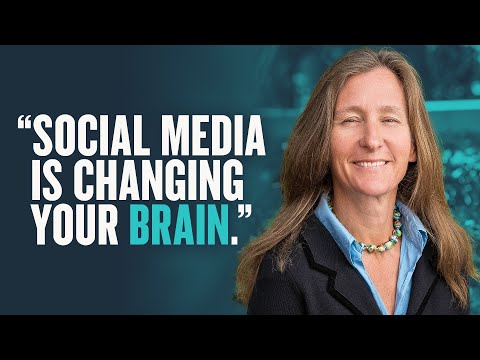
How Social Media Crushes Your Dopamine Levels
WatchChris Williamson // 7:12
