The Scars of Resilience: Survival and the Unseen Strength of Trauma
In the quiet town of Burton-on-Trent, a ten-year-old Ollie Ollerton experienced a day that would rewrite his biological code. What began as a simple quest for a swimming trip turned into a brush with the Chipperfield Circus and a surreal encounter with nature's raw power. The summer heat shimmered as he stepped into the Big Top, eventually finding himself alone with a baby chimpanzee. In that moment of childhood wonder, he felt a profound connection, a piece of Hollywood magic right in the middle of the UK.
The Shift from Wonder to Terror
The serenity shattered with a roar that echoed like a fighter jet. From the shadows beneath a truck, the mother chimp launched an assault fueled by primal protection. The blue sky vanished, replaced by the weight of a fifty-kilogram predator. In a matter of seconds, the world transformed into a chaotic struggle for survival. The physical damage was immediate; she tore at his flesh, pinning him down in a flurry of violence that felt like it would never end.
The Decision to Live
Midway through the attack, a critical psychological shift occurred. Confronted with the certainty of death, the young boy realized he had to lean into further discomfort to survive. He dislodged the animal with a desperate kick, creating just enough space to breathe. A heavy chain finally caught the chimp's neck, halting the final charge just inches away. He stood there, a mess of blood and torn bone, entering a state of shock that would last for decades.
Healing the Invisible Wounds
While surgeons stitched the physical gaps in his arm, the emotional impact was quietly locked away. We often treat trauma as a movie playing in our heads rather than a living part of our history. It is naive to think such an event doesn't shape a life. The visible scars remain, but the true growth comes from addressing the internal echoes. Scars, whether etched in skin or mind, serve as undeniable proof that you possess a strength far greater than the forces that tried to break you.
- Burton-on-Trent
- 20%· places
- Chipperfield Circus
- 20%· companies
- Chris Williamson
- 20%· people
- Modern Wisdom
- 20%· tv shows
- Ollie Ollerton
- 20%· people
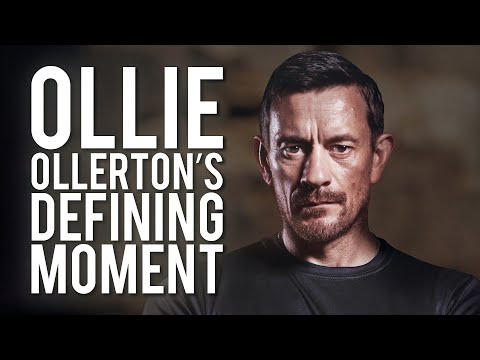
Ollie Ollerton Describes Horrific Chimp Attack As A Child
WatchChris Williamson // 7:13
