Dewayne Noel warns tightly wound overachievers to quit chasing empty status
The Quiet Epidemic of the Tightly Wound Soul
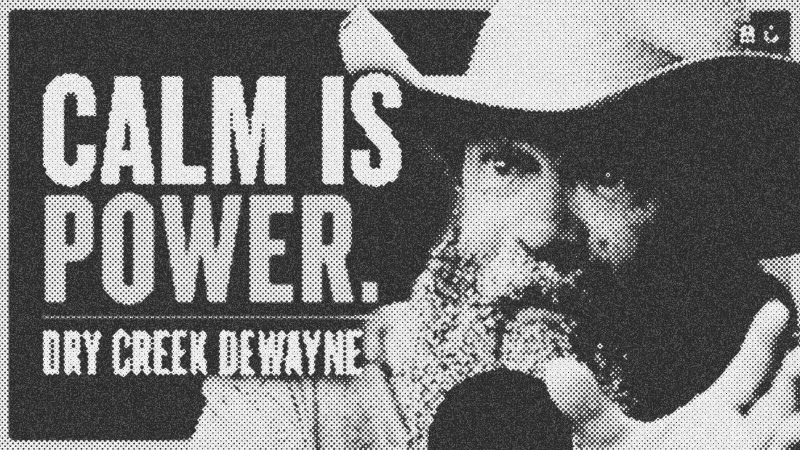
We live in an age obsessed with accumulation. We collect credentials, track our daily steps, measure our output in spreadsheets, and optimize every waking hour. Many high-achieving individuals operate in a state of perpetual high tension. They mistake their hyper-vigilance for passion, and their anger for drive. But this relentless pressure creates a fragile existence. When you wind the spring of your mind too tightly, you do not build strength. You merely prepare a more violent break.
Consider the common trajectory of modern ambition. You seek to control your environment, your career, your family, and your future. Yet this search for absolute control often masks a profound internal instability. You look in the mirror and realize you do not like the person looking back. The tension spills over into your relationships, turning conversations into battlegrounds and homes into pressure cookers. You find yourself constantly on the edge of anger, ready to snap at the slightest friction.
This tension is not a sign of competence. It is a sign of imbalance. When you treat life as a series of obstacles to conquer, you lose the ability to connect, to listen, and to understand. True development requires you to step back from this frantic race. You must learn to recognize when your internal drive has curdled into toxic rigidity. Only then can you begin the work of reclaiming your self-control and finding a more grounded, balanced approach to your existence.
Mirrors in the Paddock: What Prey Animals Teach Us About Ourselves
To understand this dynamic, we can look to an unlikely teacher: the horse. In his conversations on Modern Wisdom with Chris Williamson, wrangler and educator Dewayne Noel of the Dry Creek Wrangler School shares how horses serve as direct mirrors of our internal state. As prey animals, horses possess an incredibly sensitive radar for tension and aggression. They survive by reading their environment, and they instantly pick up on the heart rate, muscle tightness, and emotional energy of the humans around them.
If you approach a horse with anger, anxiety, or a desire to dominate, the horse will react with fear or resistance. You cannot fake calmness around an eleven-hundred-pound animal. They see right through the mask of authority. Noel credits legendary horseman Buck Brannaman with teaching him that any problem you have with your horse is ultimately a reflection of a problem you have inside yourself. If your horse is frantic, look at your own hands. If your horse is stubborn, look at your own rigidity.
This relationship reveals a crucial truth about human interaction. We often try to physically or verbally dominate situations when we feel out of control. We demand compliance from our partners, our children, or our colleagues, using force instead of communication. But like a stubborn horse, the people in your life will resist raw pressure. When you rely on dominance, you do not win their mind. You only force their body into temporary, resentful submission. To build real connection, you must learn to govern your own emotional climate first. You must become a source of calm rather than a source of storm.
The Mathematics of Character and Avoiding the Fatal Zero
In our pursuit of progress, we often focus entirely on positive gains. We want to add more to our bank accounts, bench press more weight, and secure higher status. But we overlook the negative numbers. In mathematics, any value multiplied by zero becomes zero. It does not matter if you have accumulated millions of dollars, built a perfect physique, or established a massive reputation. If you multiply those achievements by a sudden, catastrophic error in judgment, the result is nothingness.
Noel discusses how easily we can multiply our lives by zero through a single moment of uncontrolled anger, a bad relationship choice, or a failure of basic character. You can spend years building a business or a family, only to destroy it in an afternoon because you could not control your temper. True wisdom is not just about expediting success. It is about avoiding the pitfalls that can permanently kick you out of the game.
This perspective aligns closely with ancient Stoic philosophy. If you read the Meditations of Marcus Aurelius, you will find that wisdom consists largely of knowing what not to do. It is the art of restraint. It is the discipline of refusing to match the chaos of the outside world with chaos inside your own head. When you focus on avoiding catastrophic errors—on keeping your temper, protecting your integrity, and honoring your word—you secure your foundation. You stop trying to force massive, spectacular victories and focus instead on maintaining your alignment.
Actionable Steps for Reclaiming Your Internal Equilibrium
To move from a state of hyper-tension to one of grounded stability, you must implement deliberate practices. These are not grand gestures. They are small, private habits designed to reset your nervous system and restore your self-respect.
First, practice the art of the intentional pause. When you feel anger or frustration rising, do not react. Do not treat your first impulse as truth. Noel describes going out to work a horse, realizing his own mind was in a bad place, and simply sitting down in a chair to smoke a cigar. He did not accomplish any physical work that day, but he did not ruin his relationship with the horse either. Sometimes, your greatest victory is simply choosing not to make a mess. Learn to sit still until the emotional storm passes.
Second, audit your personal inputs. If you are constantly wound tight, examine what you are feeding your mind. Turn off the sensationalist news cycle. Step away from online spaces that thrive on outrage and competition. Return to reading deeply—whether it is poetry, history, or philosophy. Give your brain the quiet space it needs to process and digest your experiences, rather than constantly bombarding it with fresh stimulation.
Third, keep your promises to yourself. Self-esteem is not built on empty affirmations. It is built on trust. When you tell yourself you will wake up at a certain hour, stick to a diet, or handle a difficult situation with gentleness, you must follow through. Every time you break a promise to yourself, you damage your internal alignment. You become a friend you cannot trust. Build your character through the small, unseen victories of daily self-discipline.
Turning Inward Without Losing Your Strength
There is a common fear among ambitious men that if they let go of their anger and hardness, they will become weak. They look at extreme figures in the self-improvement space, like David Goggins, and believe that relentless self-flagellation is the only path to achievement. They view any concession to rest, reflection, or gentleness as a step toward mediocrity.
But this is a false dichotomy. True strength is not loud, frantic, or aggressive. True strength is quiet, stable, and resilient. A man who must yell, threaten, or work himself into a state of physical exhaustion to feel powerful is not strong; he is desperate. He is terrified of what will happen if he stops moving.
We need to find balance between discipline and grace. It is entirely possible to work hard, provide for your family, and maintain high standards while also knowing how to sit on the porch and enjoy a quiet evening. You do not need to choose between being a warrior and being a civilized human being. The most formidable individuals are those who possess great capacity for action but keep that power under perfect control. They do not run from their emotions, nor are they ruled by them.
The True Purpose of a Good Man
Ultimately, your personal growth must serve a purpose beyond yourself. If you spend your entire life chasing money, status, or physical dominance, you will find yourself in a very lonely place. True masculinity, as Noel suggests, is defined by service. A good man is born to protect, provide, and encourage those within his sphere of influence.
This means learning how to communicate with clarity and honesty, without relying on manipulation or passive aggression. It means treating your partner with genuine respect and active care. It means having the backbone to serve as a steady anchor for your family, even when that requires you to make difficult, unpopular decisions for their long-term well-being.
When you leave this world, people will not remember your bank account balance or your social media status. They will remember how you made them feel. They will remember whether their lives were better because you passed through them. Stop outsourcing your self-worth to the opinions of strangers or the markers of modern hustle culture. Look inward, master your own mind, and focus on becoming a person you actually respect. That is the only victory that lasts.
- Buck Brannaman
- 13%· people
- Chris Williamson
- 13%· people
- David Goggins
- 13%· people
- Dewayne Noel
- 13%· people
- Dry Creek Wrangler School
- 13%· companies
- Other topics
- 38%
You Were Never Taught How to Be a Man - Dry Creek Dewayne (4K)
WatchChris Williamson // 1:55:04
