The Resilience of Story: Navigating Modern Cinema's Transformation
The Anatomy of Industry Disruption
Modern cinema currently sits at a crossroads of legacy and innovation. This period represents more than a temporary shift in viewing habits; it is an era of extraordinary disruption. Industry veterans like Jeffrey Katzenberg recognize that the transition from traditional theatrical releases to digital distribution creates a landscape filled with both uncertainty and fear. However, these treacherous times do not signal the end of the medium. Instead, they demand a psychological recalibration. We must view these changes as an invitation to evolve rather than a reason to mourn the past.
The Survival of Shared Experiences
Despite the rise of streaming, the collective experience of the theater remains a powerful human need. Every time the industry faces a predicted demise, culturally resonant works like Barbie or Oppenheimer shatter the narrative of decline. These films succeed because they tap into a shared emotional resonance that home viewing cannot replicate. Audiences possess a keen intuition for quality; they respond to Sinners because the craftsmanship—writing, performance, and direction—feels authentic and intentional.
Fluid Narratives Across Formats
The boundary between film and television has become porous. We now see successful expansions where movies port into series, such as Daredevil, or series that conclude their narrative arcs through film, like Peaky Blinders. This fluidity allows for deeper character exploration and sustained engagement. It provides a unique connection point between generations, as parents share familiar stories like Spider-Man with their children, rebranded and remixed for the modern zeitgeist.
Reflections of the Cultural Moment
Storytelling serves as a mirror to our collective anxieties and aspirations. The recent trend of incorporating AI-powered villains reflects real-world concerns regarding technology and the ascendancy of ChatGPT. Modern scripts delve into complex themes of inequality and class perspective, moving away from binary "good vs. evil" tropes toward nuanced, morally grey antagonists. By addressing the current cultural milieu, cinema maintains its relevance, proving that while delivery methods change, the power of a well-told story remains constant.
- Amazon
- 6%· products
- Avengers
- 6%· tv shows
- Barbie
- 6%· movies
- ChatGPT
- 6%· products
- Chris Williamson
- 6%· people
- Other topics
- 72%
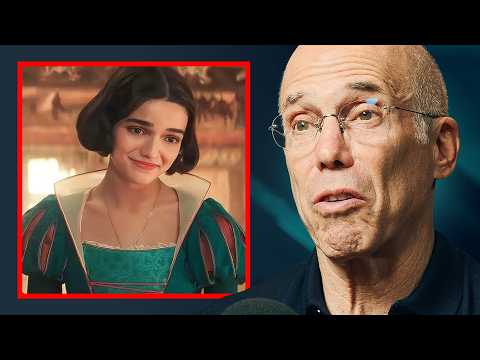
The Problem with Modern Cinema - Jeffrey Katzenberg
WatchChris Williamson // 7:37
