Beyond the Scoreboard: The Psychology and Data of Modern Elections
The Battleground of Collective Perception
Election cycles often feel like a high-stakes sport, but the true movement happens beneath the surface of the scoreboard. Nate Silver suggests that while many focus on fluctuating poll numbers, the real story lies in the seven specific states—Pennsylvania, Wisconsin, Michigan, Arizona, Georgia, Nevada, and North Carolina—that dictate the national outcome. Understanding this requires shifting from a spectator mindset to a nuanced view of demographic evolution.
The Nevada Paradox and Working-Class Shifts
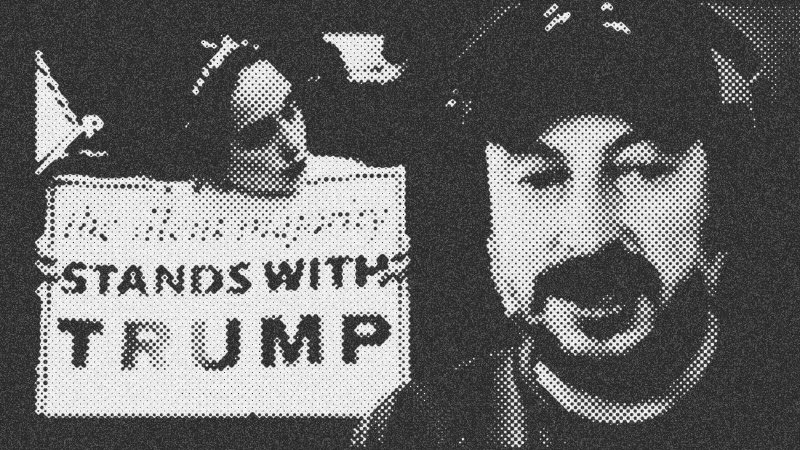
Nevada serves as a fascinating case study in shifting political identities. Traditionally seen as a Democratic stronghold, its diverse working-class population—particularly those in the service and casino industries—shows increasing alignment with Donald Trump. This shift occurs because the Democratic Party increasingly caters to college-educated knowledge workers. When the "typical" voter changes from a blackjack dealer to a tech professional, the party's core message can alienate its original base, creating a vacuum that outside figures are quick to fill.
Why Polls Miss the Mark
Polling errors often stem from a fundamental psychological disconnect: non-response bias. Highly engaged, MSNBC-watching liberals are statistically more likely to answer a stranger's phone call than skeptical Donald Trump supporters. This isn't necessarily about people lying to pollsters; it's about who chooses to be heard. During the pandemic, this gap widened as social distancing left certain demographics more available for surveys than others.
The Expansion of Social Acceptability
We are witnessing a significant change in the social desirability of certain political alignments. While signs for Kamala Harris might dominate affluent neighborhoods, Donald Trump has gained explicit support in previously hostile environments like Silicon Valley and Wall Street. This normalization among younger Black and Hispanic men suggests that political identity is becoming less about traditional tribalism and more about individual economic and cultural pragmatism. True growth comes from looking past the visible signs and acknowledging these complex, quiet transformations in the electorate.
- Nevada
- 11%· places
- AG1
- 6%· companies
- Arizona
- 6%· places
- Bernie%20Sanders
- 6%· people
- Donald%20Trump
- 6%· people
- Other topics
- 67%
Election Expert: Do Polls Underestimate Trump’s Popularity? - Nate Silver
WatchChris Williamson // 8:38
