Efficiency by Design: Engineering a Resilient and Productive Mindset
The Psychological Cost of Digital Negativity
We often underestimate the heavy lifting our subconscious performs when we scroll through social media. Every time you encounter a post from someone who irritates you, your brain isn't just processing an image; it is engaging in an internal conflict. You are experiencing a micro-stress response. This is why a core life hack involves a radical digital audit: unfollowing the people you hate. While there is a certain "car crash" voyeurism in watching someone you find arrogant or inauthentic, this habit nets a negative bottom line for your mental health.
Psychologically, this is about the Byron Katie approach to self-investigation. If someone triggers you, it is often a pointer toward an internal insecurity or a rigid belief you hold about how the world "should" be. However, there is a limit to how much "growth" you can extract from constant irritation. Exposure to negativity plateaus quickly. By using the unfollow button—which, on Facebook, is a silent tool that keeps the social peace without the drama of unfriending—you are effectively removing a cognitive drain. It’s about protecting your focus. If someone's digital presence doesn't enrich your life, they are effectively "dying" to your digital awareness, and that space is better reserved for inspiration and intentionality.
The Power of the Morning Win
Many of us struggle with consistency because we view our tasks as a mountain rather than a series of manageable steps. A transformative shift in productivity is to tick the boxes of things you NEED to do first thing in the morning. This is less about the task itself and more about the psychological momentum it generates. When you complete a workout or a meditation session by 9:00 AM, you have already "won" the day. The anxiety of having to do it is gone, and the rest of your time is spent in a state of performance rather than anticipation.
This ties directly into habit formation. By shortening your training sessions but increasing their frequency—moving to a six-day-a-week model—you lower the barrier to entry. A two-hour gym session feels like an ordeal; a 45-minute session feels like a manageable part of a routine. This consistency eliminates the "rest day" dissonance where your daily rhythm is broken. It creates a seamless flow where your morning routine, including meditation or journaling, acts as a psychological reset. Just as sleep resets the physical body, a morning movement session resets your emotional state, allowing you to approach your professional work with a sense of euphoria and achievement rather than the fatigue of playing catch-up.
Externalizing Your Cognitive Load
Your brain is a machine built for processing and decision-making, not for storage. Stress often arises not from the work itself, but from the "open loops" of things we are trying to remember. This is where tools like Apple AirPods and Wunderlist become essential psychological assets. The AirPods, for example, are not just headphones; they are a friction-reduction tool. By allowing you to transition seamlessly between a podcast, a phone call, and your environment with a simple tap, they remove the minor irritations of wired life that accumulate into cognitive fatigue.
To truly free up your mental RAM, you must implement a strict capture process. Using a "waiting for" list is a brilliant way to manage professional relationships. Instead of worrying whether a company has responded to your request, you outsource that worry to a list. Tools like Mail Butler take this further by automating reminders for sent emails. The goal is to ensure that you are reminded of a task only at the exact moment you can action it. This prevents the jarring "oh no" realization that hits you two days late. By externalizing your memory, you allow your brain to focus on the high-level creative work it was designed for.
Deep Work and the Pomodoro Rhythm
In an age of constant notification, Deep Work is a competitive advantage. The Pomodoro Technique—working in 25-minute blocks followed by 5-minute breaks—is a foundational tool for rebuilding a fractured attention span. It utilizes Parkinson's Law, which states that work expands to fill the time available for its completion. By setting a hard 25-minute deadline, you force your brain into a state of urgency and focus.
Using an app like Be Focused Pro allows you to track these blocks, turning productivity into a data-driven exercise. When you can see a bar chart of your productive hours, you move away from the vague feeling of "being busy" and toward the concrete reality of being effective. This structured disconnection during the 5-minute breaks is vital. It prevents burnout and keeps the mind fresh, ensuring that your eighth hour of work is as high-quality as your first.
Automation as a Lifestyle Philosophy
True efficiency is about looking at every recurring task and asking: "How can I make this easier?" This applies to everything from your commute to your diet. Switching to an automatic car is a prime example of removing unnecessary manual labor. While some argue that manual gearboxes make for a more "involved" driving experience, that involvement is often just a distraction in stop-and-go traffic. Automation allows you to arrive at your destination with more mental energy intact. This is the same logic behind the Tesla philosophy—making the mundane aspects of life, like driving or refueling, either autonomous or incredibly efficient.
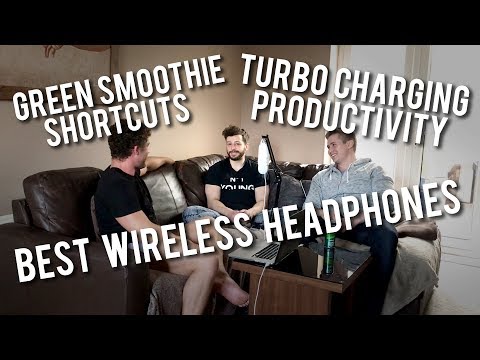
Similarly, your nutrition can be automated through the green smoothie habit. Rather than stressing about getting enough micronutrients throughout the day, you can pack your spinach, bananas, and supplements into one morning drink. This "domesticates" your system, providing a reliable foundation of health that supports your cognitive performance. When you automate the basics—your gear, your food, and your schedule—you create a resilient structure that allows you to navigate life's inevitable challenges with ease and clarity. Growth isn't about working harder; it's about engineering your environment so that success becomes the path of least resistance.
- meditation
- 10%· misc
- Anki
- 5%· products
- Apple
- 5%· companies
- Apple AirPods
- 5%· products
- Be Focused Pro
- 5%· products
- Other topics
- 70%
Life Hacks 103
WatchChris Williamson // 1:22:11
