Williamson swaps podcast studio for stage to battle burnout and self-rejection
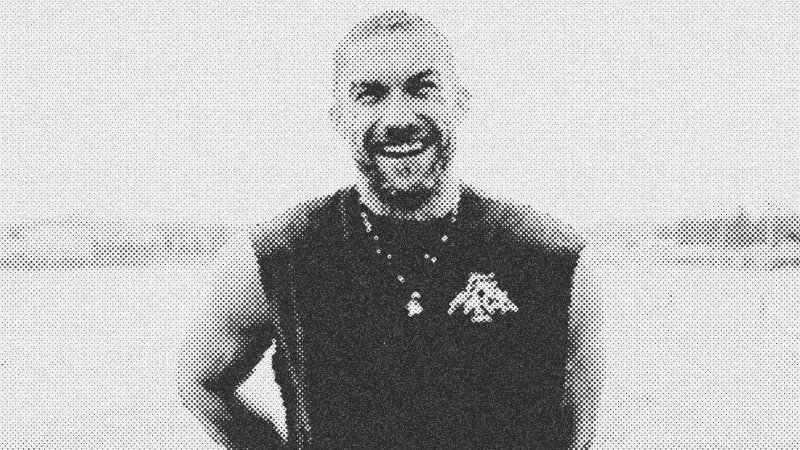
The hum of a long-haul flight often acts as a portal between who we are and who we are becoming. For Chris Williamson, descending into Sydney wasn't just about crossing time zones; it was about stepping into a higher version of his own potential. The transition from a controlled podcast environment to a live theater with 2,500 expectant faces is a psychological leap that demands more than just a well-rehearsed script. It requires a fundamental shift in how one manages the internal mirror—the place where we often scream our deepest insecurities before the world sees our greatest strengths.
The highwire act of creative reinvention
There is a specific kind of terror that accompanies the decision to abandon what works. Williamson had already found massive success with Modern Wisdom, but standing in Darling Harbour ready to perform a show he had never fully run before felt like a highwire act without a net. This wasn't a standard presentation; it was an immersive experience designed to push the audience toward reflection. Growth, in its truest form, is rarely comfortable. It often feels dangerous because it requires us to reveal the parts of ourselves we usually keep behind the curtain. By incorporating breathing exercises and grounding tasks, the performance moved beyond entertainment into a collective psychological reset.
Solving the paradox of objective success
One of the most profound challenges high achievers face is the disconnect between external milestones and internal fulfillment. Williamson identifies this as the gap between objective achievement and subjective feeling. Many people work harder than most and achieve more than most, yet find themselves staring into an existential bottomless pit. This "buffer syndrome" occurs when we sacrifice the way we feel for the sake of what we want to achieve. The solution lies in reversing that hierarchy: being willing to sacrifice achievements for the sake of emotional well-being. It is a radical act of self-preservation in a world that only values the output.
Burnout as a crisis of self-worth
Burnout is rarely just a result of working too many hours; it is a symptom of tieing our entire sense of worth to the grindstone. For years, Williamson faced a recurring cycle of exhaustion, realizing only later that his drive was fueled by a need for the love and praise that comes with production. When we use self-rejection as our primary fuel, we eventually blow the engine. True resilience isn't about how hard you can push through the pain, but about recognizing when working harder will actually make the problem worse. Transitioning from a "more is better" mindset to one of spaciousness is the only way to make success sustainable over a decade rather than a season.
Adversity as the ultimate foundation
Drawing on the origin story of J.K. Rowling, the narrative highlights that rock bottom isn't a pit to be feared, but a foundation from which to build. Rejection, whether from twelve publishers or a silent audience, is often an existential crisis that can either break a person or embolden them. The lesson here is that adversity is a gift we cannot afford to waste. The growth that stems from our lowest moments is often the most durable because it isn't built on the fragile ego of easy wins. It is forged in the fire of having to reinvent oneself when everything else has fallen away.
Mastering the skill of the journey
As the tour progressed from Sydney to Melbourne, a new realization emerged: the skill of being on stage is entirely different from the skill of being on tour. The latter involves resisting the "tour bubble"—the insulated world where the work stays the same while the geography shifts. To truly grow, one must learn to find the fifteen-minute windows to make memories, to connect with friends like Jimmy Carr or Ali Abdaal, and to inhabit the present moment. If we spend the entire journey looking over the shoulder of the present for what comes next, we never actually arrive. Fulfillment isn't at the end of the rainbow; it’s in the intentionality of the steps taken to get there.
- Sydney
- 14%· places
- Ali Abdaal
- 7%· people
- Australia
- 7%· places
- Bali
- 7%· places
- Chris Williamson
- 7%· people
- Other topics
- 57%
Man vs Australia (with Jimmy Carr)
WatchChris Williamson // 28:07
