The NELK Blueprint: Resilience, Brand Building, and the New Media Frontier
The Architecture of Inherent Resilience
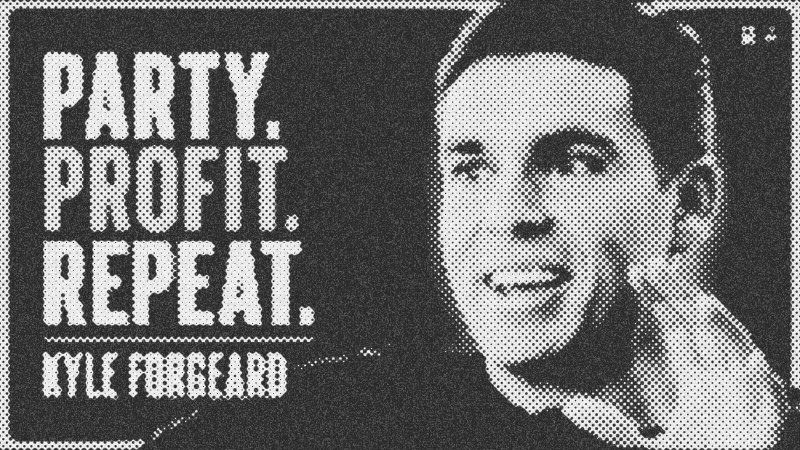
True growth rarely occurs in a straight line. It is a jagged, often painful ascent through uncertainty and low expectations. Kyle Forgeard, the co-founder of NELK, exemplifies a specific type of psychological resilience that stems from a refusal to be defined by traditional markers of success. Long before the global fame and the 30-million-dollar revenue days, there was a period of profound struggle characterized by sleeping in cars and crashing at the homes of strangers. This wasn't just a lack of resources; it was a deliberate choice to prioritize a vision over immediate comfort. Many individuals get stuck in the 'messy middle'—that lonely chapter where friends and family question your sanity. The pressure to conform to a 'safe' path is a powerful psychological weight, but the ability to withstand that weight is what builds the mental calluses necessary for long-term endurance.
Developing this level of grit requires a shift in how we perceive failure and poverty. For Forgeard, the prospect of living a life he didn't want was far more terrifying than the prospect of being broke. This perspective reattributes fear; instead of fearing the unknown of a startup or a creative endeavor, you begin to fear the known stagnancy of a life lived for others. By setting low expectations early on—often leaning into a 'scumbag' persona—the group created a psychological buffer. When you don't pretend to be perfect, you cannot be destroyed by your imperfections. This 'bad boy' branding wasn't just a marketing tactic; it was a shield that allowed them to mature and improve as people without the crushing weight of a 'squeaky clean' image that leads so many others to eventual cancellation.
The Psychology of Anticipation and Brand Loyalty
The most potent tool in the NELK arsenal isn't the prank itself, but the mastery of the human reward system. Human happiness often peaks during the anticipation of an event rather than the event itself. This is why the 'pregame' often feels better than the party, and why the 'drop' culture in streetwear and merch is so effective. By utilizing sneak attacks or prolonged buildup sequences, Forgeard and his team tap into a deep-seated neurological drive. They understand that the absolute bullseye of human pleasure is the feeling that things are about to be awesome. This isn't just about selling t-shirts; it is about creating a sense of shared excitement and communal participation.
When Forgeard discusses the massive success of their merch business—achieving 30 million dollars in revenue within 30 minutes—he isn't just flexing a financial muscle. He is highlighting the power of a cult-like foundation. This level of engagement was born out of necessity. Because they were demonetized on YouTube since day one for their unfiltered content, they had to be honest with their audience. This transparency created a partnership: the fans weren't just buying a hoodie; they were funding the continuation of the content they loved. This is a masterclass in turning a restriction (demonetization) into a unique selling proposition. It fostered a loyalty that traditional media outlets, with their detached and sterilized approach, can never hope to replicate. The audience feels like they are part of the 'frat house,' making the success as much theirs as it is the creators'.
Navigating the Power Dynamics of New Media
We are currently witnessing a seismic shift in the media landscape where independent platforms are eclipsing mainstream giants in both reach and trust. This is particularly evident in the recent political landscape. Figures like Donald Trump and Dana White have recognized that the path to the 18-35 male demographic doesn't go through CNN or MSNBC; it goes through podcasts and YouTube channels. This isn't merely a change in platform; it's a change in tone. Younger audiences are starving for authenticity and are increasingly allergic to the 'slippery' demeanor of traditional politicians like Justin Trudeau.
Forgeard’s observations on Donald Trump and Dana White reveal a specific leadership trait: the desire to seek opinions from everyone in the room, from high-level advisors to the staff at a golf course. This democratic approach to information gathering, paired with an unwavering commitment to loyalty, creates a leadership style that resonates in a world of curated PR. Dana White, in particular, serves as a mentor figure for NELK, embodying a 'never-quit' mentality that turned the UFC into a global powerhouse. His willingness to 'burn everything down' for a friend or an employee—as seen in his support for Joe Rogan during various controversies—is the ultimate proof of a loyalty that is rare in business. This subtext tells the world that the organization is legitimate and its word is bond. In an era of 'unpersoning' and digital censorship, this brand of loyalty becomes a revolutionary act.
The Loneliness of Leadership and the Team Dynamic
As a platform grows to reach hundreds of millions of people, the nature of the work shifts from pure creativity to the burden of responsibility. Forgeard describes a psychological transition from being the 'fun younger brother' to the 'responsible leader.' This is a lonely price to pay. Main character energy suggests that everyone is the hero of their own story, but a leader must often be the side character who ensures everyone else’s story can continue. This involves making difficult decisions, managing egos, and occasionally being the 'buzzkill' to keep the business from veering into a catastrophe.
However, the antidote to the isolation of leadership is the surrounding tribe. NELK operates as a tight-knit friend group rather than a corporate entity, which Forgeard insists is the secret to their longevity. When you celebrate the wins together and battle through the low points as a unit, the 'tank' never truly stays empty. The move from Los Angeles to Miami was more than a tax decision; it was a lifestyle shift toward health, routine, and proximity to home. This environmental change allows the team to balance the chaos of the road with the discipline of a home-base HQ. It’s a reminder that even the most high-octane careers require a 'cold tub' moment—a time to step back, recalibrate, and remember that growth happens one intentional step at a time. The goal is no longer just viral fame; it is the construction of a legacy, epitomized by the transition from prank videos to building a billion-dollar brand like Happy Dad.
- NELK
- 14%· companies
- Dana White
- 11%· people
- Donald Trump
- 7%· people
- YouTube
- 7%· companies
- Bob Menery
- 4%· people
- Other topics
- 57%
The Rise Of NELK, Donald Trump & Global Chaos - Kyle Forgeard (4K)
WatchChris Williamson // 1:43:18
