Decoding Global Shifts: A Deep Dive into Economic Cycles, Power Dynamics, and the Future of Nations
In a world that often feels unprecedented, the patterns of history offer invaluable insights. Examining the rise and fall of nations, the dynamics of debt, and the interplay of global forces reveals repeating cycles that shape our present and future.
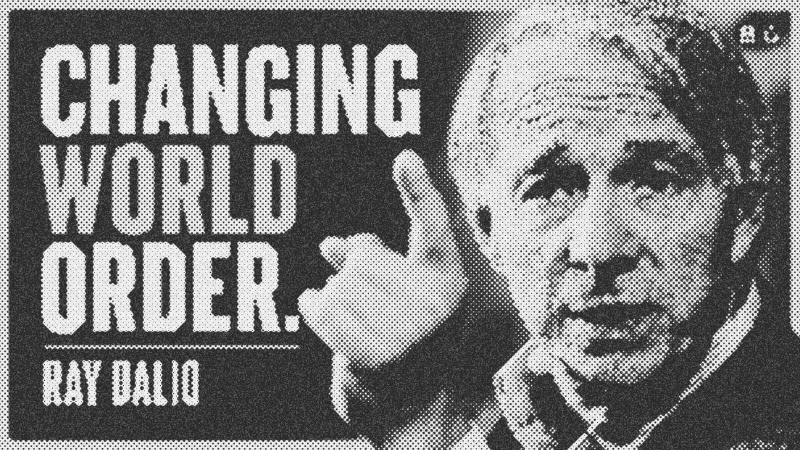
Understanding the Rhythm of History
Reflecting on a career spanning six decades of global macro investing, the motivation to study the changing world order stems from a desire to understand the mechanics behind significant global shifts. A pivotal moment occurred in 1971 when President Nixon severed the dollar's link to gold, marking a fundamental change in the monetary system. This event sparked an exploration into historical parallels, such as Roosevelt's similar action in 1933 during the Great Depression. Studying these events provided a framework for anticipating and navigating future economic crises, including the 2008 financial crisis and the European debt crisis from 2010 to 2015.
Beyond Technology: Recognizing Enduring Cycles
The rapid pace of technological advancement and globalization might suggest that the lessons of the past are obsolete. However, these assumptions are misguided. History demonstrates recurring patterns in the rise and decline of powers, the evolution of domestic and international orders, and the impact of debt cycles. By studying the last 500 years, it becomes clear that similar events recur for similar reasons, offering a roadmap for understanding the present.
Five Forces Shaping the World
To navigate the complexities of the modern world, it's crucial to recognize the interplay of five major forces that repeat throughout history:
- The Debt Cycle: This cycle involves the accumulation and wiping out of debts, influencing economic stability and monetary systems. For example, the new monetary order that began in 1945 after World War II involved wiping out debts and starting anew. As debt rises relative to income, debt service payments increase, squeezing out spending and creating financial strain.
- Political and Social Conflict: As debt cycles progress, wealth and values gaps widen, leading to populism and internal conflicts that threaten domestic order. Political polarization, seen today, mirrors historical patterns, such as those in the 1930s.
- Geopolitical World Order: This cycle involves the establishment and breakdown of international systems. The post-World War II order, led by the U.S., is now evolving, with new powers challenging the existing framework.
- Acts of Nature: Disruptions like droughts, floods, and pandemics have historically caused significant upheaval, toppling orders and impacting societies.
- Technological Advancements: Man's inventiveness, especially in technology, drives progress but also creates disruptions and challenges.
These forces interact and overlap, shaping the course of economies, politics, and societies. Understanding their patterns provides a framework for analyzing current events and anticipating future trends. For instance, the debt situation is intertwined with the impact of AI on productivity, requiring a comprehensive perspective.
The Anatomy of a Debt Crisis
The debt cycle operates much like the circulatory system. Credit injects buying power into the economy, but excessive debt accumulation creates a plaque-like buildup, squeezing out other spending. While governments can print money and tax citizens, the underlying economics remain the same. When a government spends more than it earns, it must sell debt to buyers. If buyers lose confidence in the debt's value as a storehold of wealth, they may sell it, causing prices to fall and interest rates to rise.
Currently, the U.S. government spends approximately $7 trillion annually while taking in only $5 trillion, leading to increased debt. Compounding the issue, the government must roll over trillions in existing debt, increasing the pressure to find buyers. With international buyers like China and Japan becoming less eager to hold U.S. debt, the situation becomes unsustainable.
Navigating the Political Minefield
The economic cycle profoundly influences politics. Economic hardship often leads voters to seek change, potentially ousting the existing administration. However, the growing wealth gap and differing values create internal conflicts. A significant portion of the population is not benefiting from the boom in technology and innovation, leading to disparities in income, education, and opportunities. This divide fuels populism and erodes trust in institutions, threatening the rule of law.
The Geopolitical Chessboard
The geopolitical world order defines how countries interact. After major wars, the victors establish the new system. In 1945, the U.S. emerged as the dominant power and created a multilateral world order with institutions like the UN, IMF, and World Bank. However, shifts in relative power, particularly the rise of China, are challenging this order. Unlike in the past when the U.S. could exert its influence unchallenged, there is now competition, and power dynamics are shifting.
The Double-Edged Sword of Technology
Technological advancements, particularly AI, are a major force. AI has the potential to boost productivity and improve various fields, from medicine to construction. However, it also poses risks, including job displacement and the potential for misuse in warfare. The implications of AI are far-reaching and difficult to predict, making it crucial to address the disruptions it will inevitably create.
A Call for Collective Action
As AI and other technologies reshape the world, it becomes increasingly important for people to work together to solve common problems. A strong middle ground is needed to bridge divides and address challenges. There is a need to understand the mechanics of the debt cycle and to be ready to adapt. It means embracing the idea of collective good over individual self-interest.
Facing the Future with Knowledge and Prudence
Studying history and understanding these repeating cycles is essential for navigating the complexities of the present and future. This involves recognizing patterns, understanding cause-and-effect relationships, and preparing for potential disruptions. It also requires adopting a balanced approach, considering both the potential benefits and risks of new technologies like AI.
The Path Forward
While predicting the future with certainty is impossible, recognizing historical patterns and understanding the interplay of major forces can help individuals, organizations, and governments make informed decisions. This includes diversifying investments, protecting against potential risks, and promoting policies that foster stability and prosperity. It also involves fostering a sense of collective responsibility, working together to address challenges and create a more equitable and sustainable world.
Note
The FunctionHealth advertisement and Momentous advertisement are not directly related to the core discussion of economic cycles, power dynamics, and the future of nations. While they appear in the transcript, they are not relevant to the synthesized content and have been excluded from the main article.
- Asia
- 3%· place
- Bridgeport
- 3%· place
- Bridgewater Associates
- 3%· organization
- China
- 3%· place
- Connecticut
- 3%· place
- Other topics
- 83%
The Economic Collapse You’ve Been Told Won’t Happen - Ray Dalio
WatchChris Williamson // 1:26:06
