Beyond the Manosphere: Reclaiming Masculine Virtue in an Atomized Age
The Architecture of Discontent: Why Masculinity Feels Under Attack
The cultural air we breathe is thick with the language of grievance. From the clinical labels of the "manosphere" to the sweeping indictments of "toxic masculinity," the conversation surrounding men has become a battleground of resentment. Nina Power, in her exploration of these shifting dynamics, identifies a profound displacement of the male role. It is not merely a crisis of identity, but a structural collapse of the social and economic scaffolds that once provided men with a sense of purpose and belonging. The shift from a manual-labor economy to a knowledge-based "liberal" system has left a void where responsibility used to sit.
When we talk about the crisis of masculinity, we often forget that it is inextricably linked to the crisis of humanity. If men are struggling to find their footing, women are left navigating a social landscape where partners feel unmoored, invisible, or defensive. The demonization of men as inherently predatory or over-privileged serves a divisive media logic but fails to account for the reality of the "dispossessed"—men in working-class towns whose industries have vanished, and whose primary connection to the world is now mediated through a screen. True growth requires us to look past these low-resolution generalizations and see the individual human struggle underneath.
The Purity Spiral and the Industry of Hatred
A particularly insidious force in modern discourse is the purity spiral. This phenomenon occurs when a group or movement begins to prioritize ideological compliance over actual progress. Within these circles, status is gained not by achieving positive outcomes, but by being the "purest" adherent to the group's increasingly radical rules. This leads to an inevitable exclusion of the moderate, the nuanced, and the questioning. Power notes that the contemporary left often falls into this trap, hounding those who disagree or fail to repeat the latest mantras with sufficient fervor.
This spiral creates what we might call a hatred production industrial complex. Organizations dedicated to monitoring "hate groups" often find themselves needing to "create" new enemies to justify their own existence. When even NoFap—a community of men focused on overcoming pornography addiction and regaining self-control—is designated as a hate group, we have reached a point of absurdity. This reflexive labeling of any male-centered space as "far-right" or "misogynistic" shuts down necessary conversations about self-improvement and virtue. It isolates men further, pushing them toward the very extremes society claims to fear.
The False Promise of Liberal Freedom
Liberal feminism and consumer culture have sold us a specific brand of freedom: the freedom to be a "boss," to be unattached, and to treat sex as a casual commodity. However, this version of freedom often leads to profound loneliness. For women, the push to adopt traditionally masculine traits—coldness, hyper-competitiveness, and emotional detachment—frequently conflicts with the inherent desire for deep intimacy and community. We have created a world where "catching feelings" is seen as a weakness, training us to behave like psychopaths in our most intimate encounters.
This transactional approach to relationships is a byproduct of a system that views people as products to be consumed and discarded. The dating app culture exemplifies this, nerfing the pain of rejection while simultaneously eroding the possibility of genuine connection. When we treat a partner like a mobile phone that can be returned at the first sign of a glitch, we lose the "magic and pragmatism" required to build a life. Real intimacy cannot be fast-tracked; it is a "mutual project" built through shared difficulty and time. By rejecting the sacred nature of our bonds, we satisfy the market but starve the soul.
The Economic and Biological Reality
We cannot ignore the material foundations of this discontent. The erosion of property ownership, stable employment, and the ability to start a family has hit millennials and younger generations with brutal force. When economic pressures make adulthood feel unattainable, it is natural for people to retreat into infantile, consumerist behaviors. Furthermore, the cultural silence regarding biological realities—such as the decline of fertility—leaves many women reaching their late thirties with a sense of betrayal by a system that promised they could "have it all" later.
Reclaiming the Patriarch: Responsibility as Power
The word "patriarchy" has been hollowed out, used as a catch-all for anything a particular ideology dislikes. Yet, the original meaning of a patriarch—found in figures like Abraham—is rooted in responsibility. A patriarch was the adult in the room, the person who looked after the family and provided stability. Our current culture, conversely, encourages both men and women to remain as "infantile toddlers," avoiding responsibility for themselves and others.
To move forward, we must revalue the roles of motherhood and fatherhood. This isn't about a "trad-wife conspiracy," but about recognizing that community and family are forms of resistance against a state and market that want us atomized and easy to control. When fathers abandon their children, or when men are told their protective instincts are "toxic," the social fabric tears. True power lies in the ability to be strong and dangerous, yet having the judgment and virtue to know when not to deploy that strength.
The Necessity of Sex-Segregated Spaces
There is a growing, quiet need to revisit the idea of sex-segregated spaces. While the past included unjust exclusions, the modern push for total "mixedness" in every area of life has created its own anxieties. Men need spaces to be among men—to talk about "guy stuff" without the performative pressure of the female gaze—just as women benefit from the safety and camaraderie of women-only gyms or forums. Freedom of association is a fundamental right, and allowing these spaces to exist naturally, without the "hate group" label, is a prerequisite for a healthy, non-paranoid society.
The Tragic Optimism of Modern Virtue
Life involves suffering; it is the one truly universal human experience. When we attempt to avoid this reality through technology or "safe" digital interactions, we only succeed in making our suffering more acute and lonely. Power suggests a return to a "tragic worldview," which, paradoxically, is more optimistic than the liberal fantasy of perfectibility. If we accept that we are all flawed, broken, and capable of making mistakes, we open the door to forgiveness and atonement.
The future of masculinity—and indeed, our collective humanity—depends on our ability to log off and reconnect in the real world. We must trade the low-resolution outrage of the internet for the high-resolution complexity of our actual lives. Our ancestors were not wrong about everything; virtues like courage, loyalty, and fidelity remain the only path to a meaningful existence. Growth happens one intentional step at a time, usually in the company of the people we love, far away from the prying eyes of the algorithm.
- #MeToo
- 6%· social movements
- 50 Shades of Grey
- 6%· books
- Abraham
- 6%· people
- Chris Williamson
- 6%· people
- David Buss
- 6%· people
- Other topics
- 69%
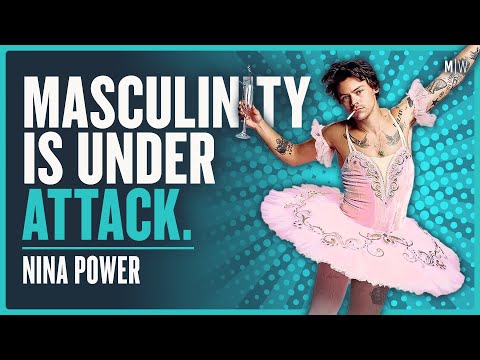
The Crisis Of Modern Masculinity - Nina Power
WatchChris Williamson // 1:25:45
