Muscle-Centric Medicine: The New Science of Longevity and Human Potential
The Shift from Weight Loss to Muscle Gain
For decades, the medical community and popular media have obsessed over a single metric: body fat. We have been told that we are in the midst of an obesity epidemic, and that our primary health goal must be to lose weight at all costs. However, Gabrielle Lyon argues that we have been looking at the problem through the wrong end of the telescope. It is not that we are overfat; it is that we are under-muscled. This distinction is not merely semantic. It represents a fundamental shift in how we approach aging, disease prevention, and daily vitality. Skeletal muscle is the organ of longevity, serving as the body’s primary site for metabolic health and its most robust defense against the chronic diseases of aging.
When we focus solely on what we have to lose, we adopt a mindset of restriction and depletion. This often leads to yo-yo dieting and the loss of precious lean tissue, which only serves to lower our metabolic rate and increase our vulnerability over time. By shifting the focus to what we have to gain—healthy, functional skeletal muscle—we move toward a paradigm of strength and resilience. Muscle is not just for bodybuilders or athletes. It is a vital endocrine organ that communicates with every other system in the body, including the brain and the immune system. Your capacity to show up and execute the life you want depends directly on the quality and quantity of your muscle tissue.
Skeletal Muscle as a Metabolic and Endocrine Powerhouse
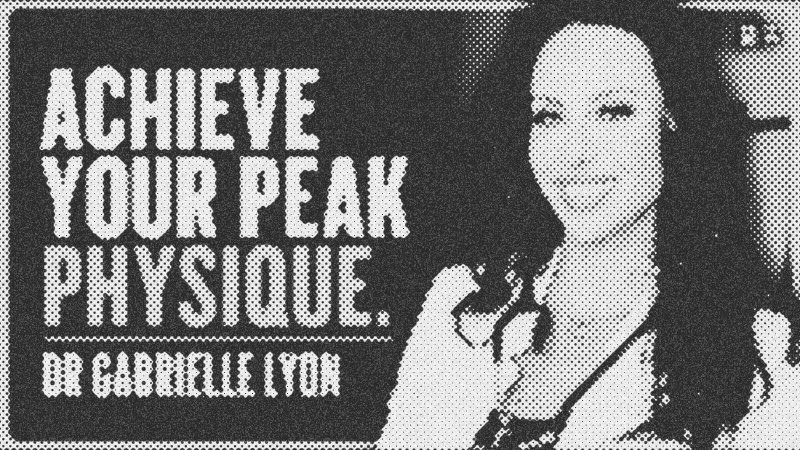
Skeletal muscle is far more than a tool for locomotion. It is a nutrient-sensing organ system that plays a critical role in glucose disposal and fatty acid oxidation. When you have healthy muscle mass, your body becomes more efficient at managing carbohydrates and fats. Muscle is the primary site where dietary glucose is stored as glycogen. Without sufficient muscle mass or activity, that glucose has nowhere to go, leading to insulin resistance and the eventual onset of type 2 diabetes. This metabolic dysfunction often begins in the skeletal muscle decades before it manifests as a clinical diagnosis.
Beyond metabolism, muscle acts as an endocrine organ. When muscle fibers contract, they release signaling molecules called myokines. These myokines, such as Interleukin-6 (IL-6) and bdnf, have profound effects on the rest of the body. They interface with the brain to promote neurogenesis and cognitive health, providing a protective effect against Alzheimer's and dementia. They also communicate with the immune system, helping to regulate inflammation and support the function of lymphocytes. In essence, every time you train, you are self-administering a dose of medicine that stabilizes your mood, sharpens your mind, and fortifies your internal defenses.
The Protein Solution: Fueling the Organ of Longevity
To build and maintain the organ of longevity, we must get the nutrition story right. Dietary protein is the most important macronutrient for body composition, yet it is often the most misunderstood. Unlike carbohydrates and fats, which serve primarily as fuel, protein provides the building blocks—amino acids—necessary for the constant repair and synthesis of tissues. As we age, our bodies become less efficient at processing protein, a phenomenon known as anabolic resistance. This means that a 60-year-old requires more protein to trigger the same muscle-building response as a 20-year-old.
Gabrielle Lyon recommends a baseline of 0.7 to 1 gram of protein per pound of ideal body weight. This level of intake ensures that the body has a sufficient pool of essential amino acids, particularly Leucine, which acts as the chemical trigger for muscle protein synthesis. High-quality animal proteins, such as Lean Beef, eggs, and Whey Protein, are the most efficient sources because they contain the full spectrum of essential amino acids in the correct ratios. While it is possible to survive on a plant-based diet, it is far more challenging to optimize muscle health as you age without the nutrient density found in animal products. Protein is also highly satiating, making it the ultimate tool for weight management by naturally reducing the appetite for processed, calorie-dense foods.
Training for Life: The Essential Movement Patterns
If muscle is the hardware of longevity, then resistance training is the software that keeps it running. To build muscle that translates to real-world capability, we must focus on movements that challenge the body as a whole. Functional strength is about more than just looking good; it’s about the ability to navigate a "catabolic crisis"—the sudden injury or illness that can lead to a rapid decline in health. When an older adult falls and breaks a hip, it is often their lack of muscle reserve that prevents them from ever returning to their baseline level of functioning. Training provides the "body armor" needed to survive these insults.
In a well-rounded program, certain movements are non-negotiable. The back squat and deadlift build a foundation of lower body power and midline stability. The Farmer Carry develops grip strength and postural control, which are among the strongest predictors of long-term survival. Upper body movements like push-ups and overhead presses ensure that you remain capable of interacting with your environment, whether that means lifting a child or putting luggage in an overhead bin. Adding a high-intensity interval component, such as sprints on an Assault Bike, improves VO2 Max and insulin sensitivity, rounding out a physique that is as metabolically healthy as it is physically strong.
The Recovery Pillar: Sleep and Muscle Synthesis
No amount of training or perfect nutrition can compensate for a lack of recovery. Sleep is the time when the body does its most significant repair work. Research indicates that even a single night of sleep deprivation can suppress muscle protein synthesis by up to 18%. This creates a literal glass ceiling on your progress. If you are chronically under-sleeping, you are essentially fighting a losing battle against your own biology. Sleep is also when the brain’s glymphatic system clears out metabolic waste, making it a critical component of the long-term cognitive protection offered by muscle-centric medicine.
To optimize recovery, it is necessary to move beyond the subjective feeling of being "rested" and look at the data. Using a sleep tracker can reveal the gap between time spent in bed and actual time spent in deep, restorative sleep. Most people find that to get eight hours of high-quality sleep, they need to be in bed for at least nine hours. Establishing a consistent sleep window and prioritizing it as much as your training sessions is essential for anyone serious about their long-term health span. Recovery is not a luxury; it is the foundation upon which all physical and mental growth is built.
Closing the Gap Between Aspiration and Action
Ultimately, the journey toward better health is a psychological one. Gabrielle Lyon observes that an effective physician must recognize patterns in people, not just diseases. Many individuals fail to achieve their health goals because they hit a self-worth threshold. They only allow themselves to look or feel so good before they begin to self-sabotage. To break this cycle, you must align your daily habits with the person you want to become in the future. Your present actions are a preview of your future health.
If you believe you don’t have time for fitness, you will eventually be forced to make time for sickness. The choice is yours: you can invest in your skeletal muscle now, building a reserve of strength and metabolic health that will carry you through your later years, or you can face the slow, predictable decline that comes with muscle loss. Growth happens one intentional step at a time, starting with the recognition that you have the power to change your trajectory. By prioritizing muscle-centric medicine, you are not just adding years to your life; you are adding life to your years.
- Gabrielle Lyon
- 21%· people
- Alex Hormozi
- 7%· people
- Assault Bike
- 7%· products
- Chris Williamson
- 7%· people
- Farmer Carry
- 7%· products
- Other topics
- 50%
Build More Muscle, Live Longer & Look Amazing - Dr Gabrielle Lyon
WatchChris Williamson // 1:33:34
