The Neurobiology of Power: How Childhood Bullying Rewires the Adult Brain
The Systematic Abuse of Power
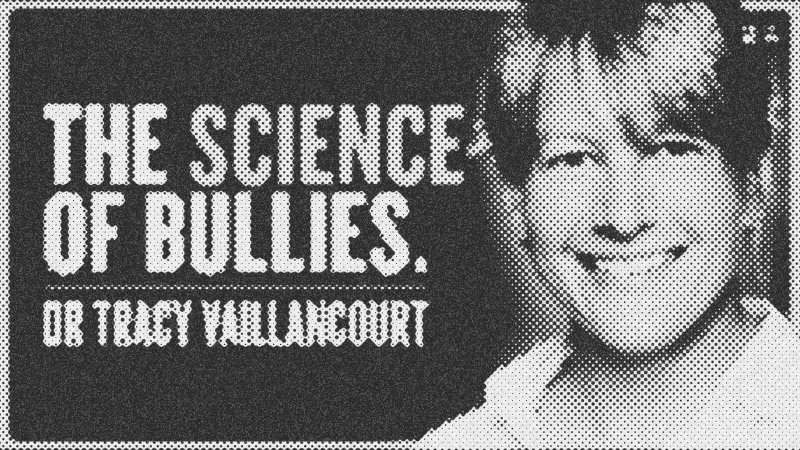
Bullying is not a series of isolated incidents or a normal rite of passage; it is a systematic abuse of power. Dr. Tracy Vaillancourt explains that the core of this phenomenon is the corrupting influence of status. In her research, kids with high social power are four times more likely to bully others than their less popular peers. This contradicts the common myth that bullies are social outcasts with low self-esteem. Instead, many are highly successful individuals who use aggression as a tool to maintain hegemony within the peer group.
Power works in two distinct ways: implicit and explicit. Implicit power comes from assets and competencies the group values—athleticism, beauty, or charisma. Explicit power is achieved through coercive means, eliciting fear and compliance. The most dangerous bullies occupy a space where these overlap. They possess the social skills to charm the masses while using strategic cruelty to eliminate threats. This creates a "corrupted environment" where the entire school culture shifts to emulate the high-status aggressor.
The Psychology of the High-Status Bully
When we look at the personality profiles of those who perpetrate bullying, we often find traits associated with the Dark Triad: narcissism, Machiavellianism, and Psychopathy. These individuals aren't "broken" in the traditional sense; many are socially skilled, intelligent, and expertly adjusted. They possess an uncanny ability to justify their behavior through moral disengagement. They dehumanize victims, blame them for the treatment, or minimize their actions by comparing them to more physical forms of violence.
There is a critical distinction between reactive aggression and proactive bullying. About 10% of bullies fall into the "Nelson" category (referencing The Simpsons), characterized by emotional disregulation, ADHD, or conduct disorders. These kids are often rejected by the group. However, the other 90% are social architects. They use aggression instrumentally. Because they are often attractive or talented, the peer group tolerates their behavior, granting them a "license to murder" socially speaking. This status ensures they aren't just bullies; they are leaders who define the norms of their social ecosystem.
Gendered Aggression and Social Warfare
Bullying manifests differently across sexes due to differing social priorities and evolutionary pressures. Boys tend to be direct. They value dominance and submission, utilizing physical or verbal aggression to establish their place in the hierarchy. It is immediate, obvious, and often reactive. Girls, however, often engage in "relational aggression." This is a more circuitous form of warfare that uses inclusion and exclusion as weapons.
Female bullying is proactive and instrumental. It involves spreading rumors, social ostracization, and "love withdrawal"—the removal of affection or friendship to exert control. This starts remarkably early. Dr. Vaillancourt has observed these behaviors in toddlers as young as three. These young girls are essentially sandbox training for adult social networks. While boys eventually move toward indirect aggression as they age because society stops tolerating physical fights, girls have already honed these sophisticated social weapons for a lifetime. This intrasexual competition is often driven by perceived threats to status, particularly concerning attractiveness and social influence.
The Invisible Scar: Neurobiological Impacts
The most profound damage of bullying occurs beneath the surface. It is a psychosocial stressor that fundamentally alters a child's neurobiology. When a child is bullied, their HPA axis (the stress response system) is under constant assault. Initially, this leads to a spike in cortisol, the body's primary stress hormone. However, long-term exposure leads to a "downregulation" of this system. The brain, in an attempt to protect itself from being bathed in cortisol, stops producing it effectively.
This low-cortisol state is an adaptive survival mechanism for a toxic environment, but it carries a heavy price in adulthood. It leaves the individual with a heightened vulnerability to PTSD and other mental health disorders. If that child, now an adult, experiences a car accident or a workplace trauma, their blunted stress response system cannot manage the new threat effectively. Furthermore, excessive cortisol exposure during developmental years damages the Hippocampus and the Prefrontal Cortex, leading to measurable deficits in verbal and episodic memory. Bullying literally rewires the brain to be less resilient to future challenges.
The Healthy Context Paradox and Intervention Failure
Despite decades of research, most bullying interventions only achieve a 20% reduction in prevalence. One of the most frustrating findings in modern psychology is the "Healthy Context Paradox." As schools successfully reduce the overall rate of bullying, the mental health of the remaining victims actually worsens. When bullying is widespread, victims can attribute the treatment to the bullies being "jerks." When bullying is rare, the few victims left behind often internalize the abuse, believing there is something fundamentally wrong with them because they are the only ones targeted.
Traditional interventions often fail because they ignore the power dynamics. Popular kids who bully have no incentive to change because their behavior is working—it grants them status and resources. Most programs focus on the "Nelson" type of bully or the victim’s deficits. To truly move the needle, we must engage the bystanders. Bullying is almost always a public performance intended to gain status. If the peer group stops affording status to the aggressor, the incentive for the behavior vanishes. Additionally, structural changes like increased supervision in "blind spots"—hallways and bathrooms—have proven more effective than many classroom-based curricula.
From Survival to Growth: The Path Forward
Recognizing the long-term impact of bullying is the first step toward healing. For many adults, the shame of childhood victimization leads to a suppression of distress, which only deepens the psychological scar. Adults who were bullied may struggle with "hostile attribution bias," seeing threat in ambiguous social interactions because their brain was trained to be hyper-vigilant for survival.
Growth requires moving from a state of survival to one of intentional self-awareness. While we cannot erase the biological changes or the memories seared into the amygdala, plasticity remains possible through targeted therapy and supportive environments. We must stop telling victims to "suck it up" and start holding the structures of power accountable. Our greatest strength lies not in ignoring the past, but in understanding how it shaped us so we can choose a different path for the future. The goal is not just the absence of exclusion, but the active cultivation of belonging.
- Christina Salmivalli
- 8%· people
- Dan Olweus
- 8%· people
- Dark Triad
- 8%· psychology
- Donald Trump
- 8%· people
- Healthy Context Paradox
- 8%· psychology
- Other topics
- 58%
The Science Of Childhood Bullying & Adult Mental Health - Dr Tracy Vaillancourt
WatchChris Williamson // 1:42:28
