The Weight of Gold: Navigating Identity, Vulnerability, and the Fear of Loss
The Mirror and the Mind: Beyond the Physical Frame
When we witness a world-class athlete like Chris Bumstead in the final weeks of a championship preparation, our eyes naturally gravitate toward the physical. We see the density of the muscle, the graininess of the skin, and the sheer discipline required to move heavy iron while running on biological fumes. However, as Chris Williamson notes during their session at Pure Muscle and Fitness, the most grueling battle isn't fought on the weight bench. It is fought in the quiet, often terrifying spaces of the internal landscape.
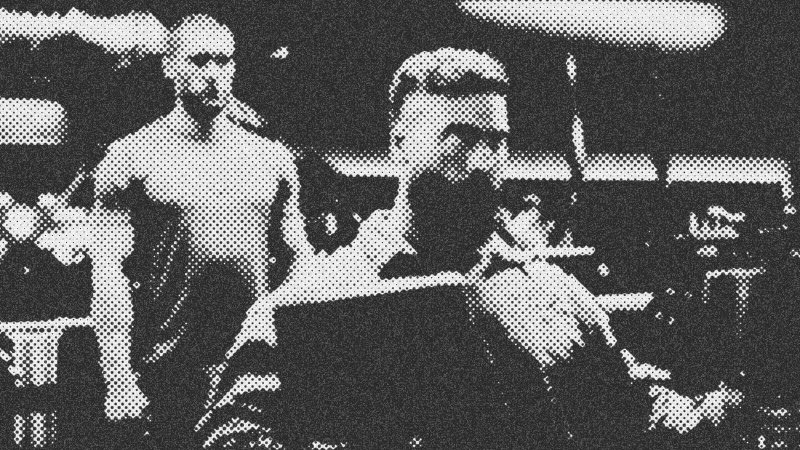
We all have a "championship physique" in some area of our lives—a professional reputation, a specific intellectual capability, or a role as the family's rock. We build our identities around these pillars. But what happens when those pillars feel shaky? For Chris Bumstead, the fear isn't just about losing a title; it's the existential dread that the world only loves the "character" of the champion, rather than the man beneath the tan and muscle. This framing of the challenge—separating our inherent self-worth from our external validation—is the first step toward true resilience. It is a mess when we realize our self-esteem is a house of cards built on achievements that are, by nature, temporary.
The Architecture of Mental Clarity and the Fear of Cognitive Decline
One of the most poignant moments in this reflection involves the fear of losing one's "edge." Williamson speaks openly about the anxiety surrounding his cognitive agility. For an intellectual, the mind is the primary tool, the source of pride, and the very texture of daily experience. When health setbacks, such as mold exposure or autoimmune flare-ups, cloud that clarity, it feels like an architectural collapse.
You might not be a professional podcaster, but you likely rely on a specific version of yourself to navigate the world. Perhaps you are the "quick-witted one" or the "reliable problem solver." When you feel that version of yourself slipping—due to age, stress, or illness—it creates an irrational but deeply felt panic. We must recognize that our value is not a static point of peak performance. Growth involves learning to navigate the "low-tide" periods with grace. Just as Bumstead finds pride in personal victories that no one else sees—like showing up with a torn lat—we must find pride in the internal effort of remaining ourselves even when our primary tools feel blunt.
The Double-Edged Sword of Self-Sufficiency
Many high-achievers struggle with a specific pathology: the inability to be a "burden." We pride ourselves on being the one who does the helping, never the one who needs it. Williamson describes the internal cringe of asking for a simple sandwich, even when it is someone's job to provide it. This stems from a deep-seated desire to avoid being seen as a diva, but it often masks a fear of vulnerability.
If you refuse to have needs, you effectively shut the door on intimacy. Chris Bumstead reflects on how his wife, Courtney King, actually enjoys being needed. When we step in to do everything ourselves, we rob others of the opportunity to serve us and to express their love through action. Self-sufficiency is a strength until it becomes a cage. True maturity is realizing that having needs is not a sign of weakness; it is a fundamental part of the human social contract. It allows for a reciprocal flow of energy that strengthens bonds rather than draining them.
The People-Pleasing Trap: Compulsion versus Choice
There is a vital distinction between being a kind person and being a people-pleaser. The difference lies in the source: is it a choice or a compulsion? If you feel a physical weight of guilt when you aren't managing everyone else's emotions, you are operating from a place of fear, not virtue. Bumstead discusses the struggle of trying to manage the stress of everyone around him, particularly his family, to ensure they remain unaffected by his own pressures.
While this looks like care, it can also be a form of control—a way to ensure the environment remains "safe" so the individual doesn't have to deal with the discomfort of others' negative emotions. To break this cycle, one must practice being a "worse" friend or partner for a moment—setting a boundary, saying no, or letting someone else handle their own stress. Only by stepping back can you eventually step forward and choose to help from a place of genuine abundance rather than a desperate need for harmony.
Actionable Practices for the Modern Achiever
To move through these psychological hurdles, we need more than just insights; we need repetitions.
- Define the Private Victory: Every day, identify one thing you did that was difficult but invisible to the world. Did you stay patient when you felt foggy? Did you choose not to manage someone else's mood? These are the reps that build the "muscle" of character.
- The Favor Test: Intentionally ask for a small favor this week. Observe the internal resistance and the subsequent guilt. Sit with that discomfort without rushing to "pay it back" immediately. Allow someone else the space to feel good about helping you.
- Audit Your Labels: Write down the three things you think the world loves you for. Then, write down who you would be if those three things disappeared tomorrow. This exercise helps decouple your "character" (the public version) from your "core" (the human version).
Embracing the Amnesia of Effort
Nature provides us with what Bumstead calls "amnesia hormones"—the biological trick that makes us forget the trauma of childbirth or the grueling misery of a contest prep so that we are willing to do it again. In the context of personal growth, we can use this to our advantage. We often over-index on the pain of a setback while forgetting the strength we used to overcome it.
Shift your mindset to view the "grind" of life not as a series of unfortunate events, but as a training ground for the soul. The goal isn't to reach a place where you no longer have fears or needs; the goal is to become the kind of person who can look those fears in the face while still moving toward the goal. You are not a machine designed for constant, peak output. You are a human being whose value is intrinsic, regardless of how many plates are on the bar or how sharp your mind feels on a Tuesday morning.
The Final Word: You Are Enough Without the Title
Whether you are chasing a fifth Mr. Olympia title or simply trying to navigate a career transition, the truth remains the same: the world might applaud the result, but your life is defined by the process. Don't let the fear of losing your capabilities stop you from enjoying them while you have them. Open up. Be vulnerable. Let people in. The most profound strength isn't found in the armor we wear to look invincible; it is found in the courage to take the armor off and say, "I'm tired, and I need a hand." That is where the real championship is won.
- Chris Bumstead
- 15%· people
- Charles Poliquin
- 8%· people
- Chris Williamson
- 8%· people
- Courtney King
- 8%· people
- David Laid
- 8%· people
- Other topics
- 54%
Olympia prep training with Chris Bumstead.
WatchChris Williamson // 1:01:58
