Caesar signs 100 farewells while dining with his own assassin
The air in Rome on March 14, 44 BC, carried a heavy, invisible weight. Julius Caesar moved through his day not as a man fearing for his life, but as a statesman drowning in the mundane. Despite persistent warnings of assassination plots dating back eighteen months, the dictator refused the comfort of a bodyguard. To Caesar, the trappings of personal security were the tools of tyrants, and he preferred the risk of death to the optics of a police state. He famously dismissed the frantic pleas of his inner circle, maintaining that he had lived long enough for both nature and glory.
That evening, Caesar reclined for dinner at the home of Lepidus, joined by a small group that included Decimus Brutus. In a chilling historical irony, Decimus was not just a trusted lieutenant and a beneficiary in Caesar’s will; he was one of the primary conspirators planning to strike the following morning. As the wine flowed—tempered by the ancient tradition of moderation—the conversation turned toward the philosophical. Caesar, ever the multitasker, spent the meal clearing his correspondence. He signed letter after letter with the Latin word vale, unknowingly penning a hundred farewells to the world while his killer sat at his elbow.
The sudden end of the Roman sun
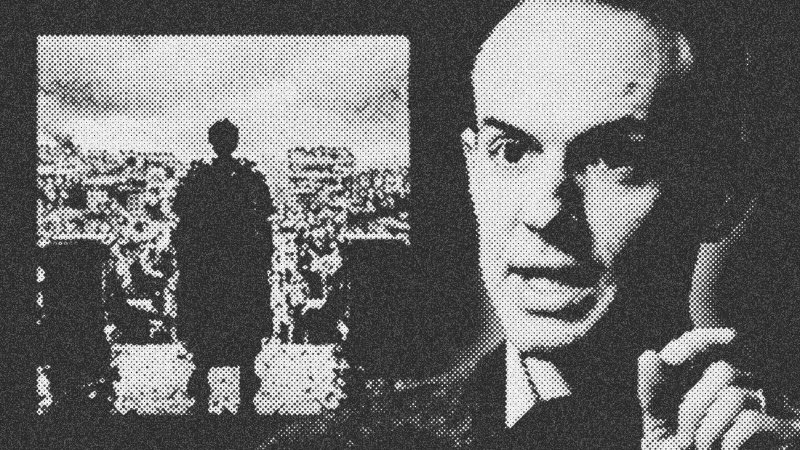
The dinner debate eventually settled on a haunting question: what is the best kind of death? While others cited the prepared, orderly transition of Cyrus the Great, Caesar interjected with sharp finality. He rejected the notion of a long, slow decline. The most desirable end, he argued, was one that arrived sudden, swift, and entirely unexpected. Decimus, listening in the shadows of the couch, must have felt the immense weight of the daggers already metaphorically drawn.
Omens in the collapsing house
When Caesar finally returned home, the physical world seemed to mirror the political rot. His wife, Calpurnia, suffered through a night of prophetic terrors, dreaming she held her husband’s blood-soaked body as their house crumbled around them. Strange atmospheric disturbances and reports of erratic animal behavior added to the sense that the fabric of reality was tearing. Caesar had spent his life conquering the known world through sheer will, yet as the sun rose on the Ides of March, he remained stubbornly blind to the fact that his requested "sudden death" was already waiting for him in the Senate.
The cost of living without a shield
Caesar’s end serves as a stark reminder that the refusal to see a threat does not neutralize it. He chose to believe in the loyalty of "free Romans" over the safety of a security detail, a decision that allowed him to maintain his dignity while forfeiting his life. His final night was not one of grand preparation, but of ordinary work and dark irony, proving that history’s most seismic shifts often happen while we are busy signing our names and debating the abstract.
- Calpurnia
- 10%· people
- Cato
- 10%· people
- Cicero
- 10%· people
- Cyropedia
- 10%· books
- Cyrus the Great
- 10%· people
- Other topics
- 50%
The Final Warnings Caesar Refused to See - Alex Petkas
WatchChris Williamson // 14:10
