The Art of Self-Authorship: Editing the Voices in Your Head
The Hidden Inheritance of Our Inner World
Most of us walk through life assuming our inner voice is our own creation. We treat our internal monologue as a primary source of truth, yet it is often an odd artifact—a collection of inherited scripts, societal norms, and echoes of past traumas. This voice doesn't always announce its presence; instead, it disguises itself as your own personality. To heal a negative inner voice, you must first detect it. It is less about hearing literal sounds and more about identifying a specific way of conducting yourself in your own mind that feels unfair to your hopes and potential. Often, this voice is an uninvited guest, a relic from a previous version of your life that you no longer need to host.
Uncovering the Script Through Reflection
To see the invisible, we must force it into the light. One of the most effective tools for this is the sentence completion exercise. By finishing prompts like "Life is..." or "I am..." without overthinking, you bypass the conscious filters of your ego. When someone spontaneously says "Men are cruel" or "People always turn against me," they are often shocked by their own cynicism. These aren't just thoughts; they are the specific stories of the past being carried forward. Recognizing that these beliefs are permeated by external history rather than internal values is the first step toward reclaiming your psychological agency.
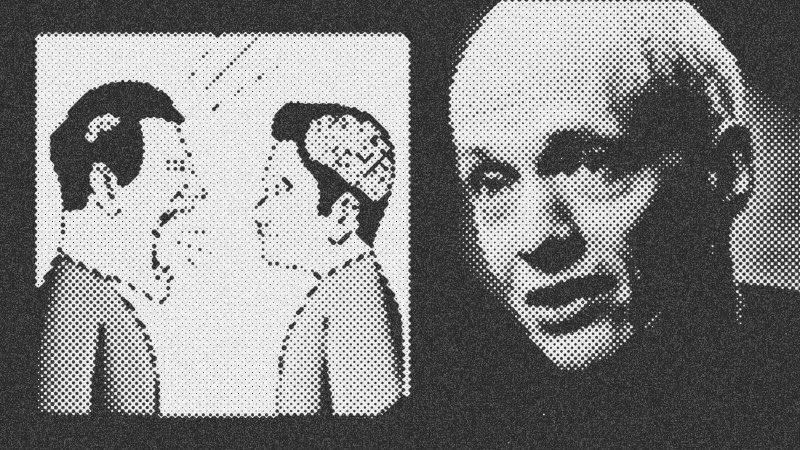
The Journey Toward Individuation
True maturity is the process of becoming an editor of your own soul. We are all interpenetrated by society, biology, and language; the words we use to think were refined by generations before us. However, Alain de Botton suggests that the "high water mark" of conformity occurs in mid-adolescence, where the fear of difference is paralyzing. As we age, the goal is to return to the authenticity of a child, but with the wisdom of an adult. This is self-authorship. It is the conscious sifting of what we were taught versus what we choose to believe.
Cultivating the Mature Child Within
Just as Pablo Picasso spent a lifetime learning to paint like a child again, we must work to regain our spontaneity. This isn't about being naive; it's about moving from unconscious competence to a deeply earned, conscious mastery of our own perspective. You may not choose to individuate in every area—perhaps you follow norms in fashion or food—but in the areas that matter, your values should owe more to your own work than to the context you were born into. You are the author of your next chapter; it’s time to start editing.
- Alain de Botton
- 11%· people
- Chris Williamson
- 11%· people
- Eastern Philosophy
- 11%· philosophy
- His Dark Materials
- 11%· books
- Individuation
- 11%· philosophy
- Other topics
- 44%
Become Aware Of Your Conditioning & Break Free - Alain de Botton
WatchChris Williamson // 14:23
