The Physiology of Survival: How the Body Anchors Past Trauma
The Biological Echo of Trauma
Trauma is not merely a memory stored in the archives of the mind; it is an active physiological state. While the conscious brain may attempt to rationalize or minimize a past event, the body continues to live out the experience. This manifest reality means an individual does not just remember the past—they react as if the threat is currently present. When a person freezes or reacts with unexplainable anger during a safe interaction, it is the body executing an automatic survival process that bypasses cognitive reasoning.
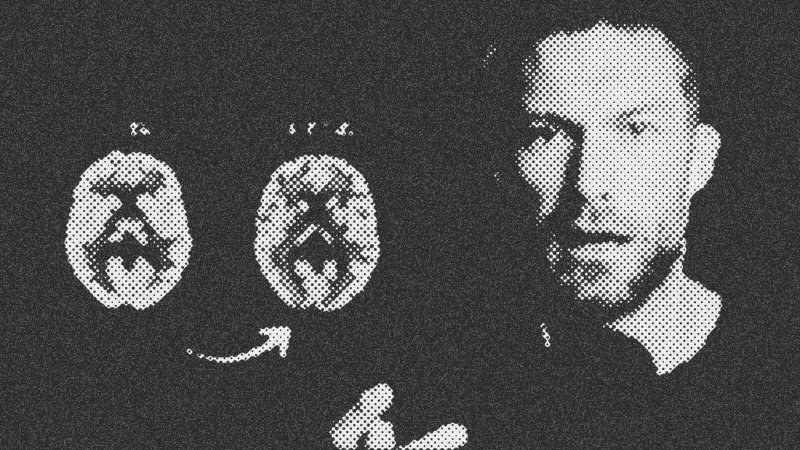
The Subcortical Reality
Bessel van der Kolk explains that these reactions are installed in the primitive brain regions responsible for body housekeeping. The amygdala and the ventral tegmental area function as our internal alarm systems, operating at an elementary level shared with all animals. Unlike the prefrontal cortex, which handles logic and decision-making, these lower brain structures do not distinguish between a past assault and a current trigger. They prioritize survival over sanity, often leaving the individual feeling like a passenger in their own body.
The Courage of Self-Discovery
Many individuals cling to habits or cognitive defenses to avoid the internal discomfort of these physiological alarms. True recovery requires shifting perceptions and facing what Bessel van der Kolk calls "internal demons." Therapy serves as a courageous act of confronting this pain to regain agency. While we cannot change historical events, we can change how the nervous system perceives and experiences the self in the present.
Agency and the Prefrontal Cortex
Though the body’s initial reaction may feel autonomous, the prefrontal cortex provides a slim but vital margin for behavior. Adults possess the capacity to make choices about their actions even when their internal alarm is screaming. Recognizing this tension between the "elephant" of the limbic system and the "rider" of the rational mind is the first step toward reclaiming the feeling of being in charge of one's own life.
- Bessel van der Kolk
- 33%· people
- Antonio Damasio
- 17%· people
- Chris Williamson
- 17%· people
- LMNT
- 17%· organizations
- The Body Keeps the Score
- 17%· books
How Trauma Affects Your Life - Bessel van der Kolk
WatchChris Williamson // 9:55
