The Genetic Frontier: Balancing Longevity with Human Responsibility
The Biological Clock Under Our Control
For centuries, humans accepted aging as a fixed, inevitable decay. Modern science has dismantled that assumption. Research into the FOXO gene reveals that longevity is not just luck but a biological setting we can adjust. We now possess the capability to accelerate or reverse the aging process in animal models. This shift from observing nature to directing it requires us to move beyond simple curiosity into a space of deep psychological and ethical preparation.
The Moral Complexity of Designer Life
The introduction of CRISPR technology has moved gene editing from theoretical debate to clinical reality. The case involving He Jiankui and the genetic modification of twin girls to resist HIV infection highlights a critical gap in global oversight. While the scientific community reacted with shock, the lack of a massive public or governmental backlash suggests a growing, perhaps dangerous, normalization of genetic intervention. We must ask if we are prepared for the psychological weight of creating 'designer' offspring whose traits are chosen by parents rather than left to chance.
Prioritizing Safety Over Abstract Ethics
While many focus on the 'weirdness' of genetic manipulation, the primary concern must be physical and psychological safety. David Sinclair argues that the most pressing issue is not just whether we should edit genes, but whether the technology is reliable enough to avoid unintended consequences. The ethical dilemma is compounded by the lack of consent; children cannot choose the genetic alterations their parents impose. However, when faced with devastating conditions like Huntington's Disease, the alternative of doing nothing becomes its own ethical burden.
The Evolution of Choice and Consent
We are entering an era where biological destiny is a choice. This provides immense hope for families prone to genetic illness but creates a heavy responsibility for the next generation. As we refine these tools, our focus must remain on the human impact. Growth is intentional. We must ensure that our pursuit of longer lives does not compromise the inherent dignity and autonomy of the individuals we are trying to 'improve.'
- CRISPR
- 20%· products
- David Sinclair
- 20%· people
- FOXO
- 20%· people
- He Jiankui
- 20%· people
- Huntington's Disease
- 20%· places
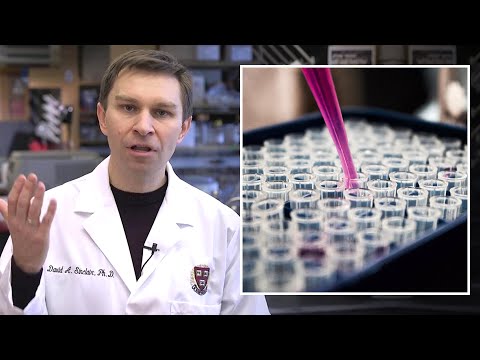
PROFESSOR DAVID SINCLAIR on the Ethics of Gene Editing
WatchChris Williamson // 4:59
