Filters trigger youth body dysmorphia epidemic, Freya India warns
The Digital Distortion Machine
Young women are growing up in front of a relentless digital mirror. While early social media content featured simple, harmless beauty routines, the intense competition for views has pushed digital platforms to harmful extremes. Today, casual vlogs casually feature invasive cosmetic surgeries, while marketing campaigns sell expensive anti-aging routines to pre-teens. Author Freya India explains that social media inevitably drags every trend to its most extreme conclusion, warping how young people perceive reality and themselves.
The Age of the Avatar
This extreme shift has created a deep-seated terror of aging among young women. Children are obsessing over wrinkles on internet forums before they even reach puberty. They ruminate over sun exposure and compare complex skincare regimens, copying the neurotic habits of creators who must exaggerate their worries to gain attention. Instead of learning to accept their changing bodies, these young women are trying to sculpt themselves to match a digital avatar.
The Silent Epidemic of Self-Correction
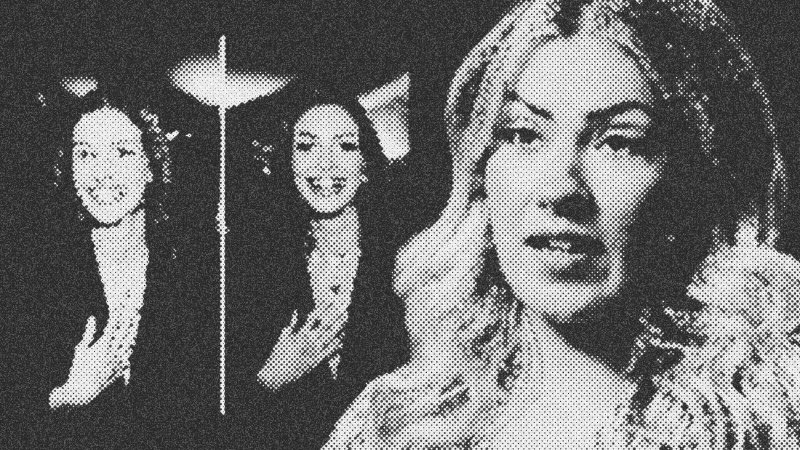
Much of this anxiety stems from photo-editing applications like Facetune. This app allows users to easily reshape their jaws, enlarge their eyes, and alter their waistlines. This constant digital manipulation during formative years leaves young women deeply dissatisfied with their actual reflection. They face a jarring disconnect when reverting to their real appearance, fueling severe body dysmorphia.
The Control Paradox and Social Anxiety
This obsession with digital editing has created a deep fear of the offline world. Because people cannot edit, filter, or rehearse their appearance in real-time interactions, physical spaces feel unpredictable and threatening. This lack of control breeds intense social anxiety, leaving young people feeling vulnerable and unable to navigate the unedited reality of daily life.
- Eight Sleep Pod 5
- 11%· products
- Facetune
- 11%· products
- Freya India
- 11%· people
- 11%· products
- Neil Strauss
- 11%· people
- Other topics
- 44%
Why Most Women Today Think They’re Ugly
WatchChris Williamson // 13:16
