The Steelman Strategy: Navigating Deep Disagreement with Intellectual Empathy
The Art of Intellectual Empathy
True growth happens when we step outside our own moral certainties to find the logic in an opposing worldview. Chris Williamson facilitates a rare exchange between author Louise Perry and adult performer Bonnie Blue, using a technique known as steelmanning. Instead of attacking a weak version of an opponent's argument, steelmanning requires building the strongest possible case for the other side. This practice demands high emotional intelligence and a willingness to see the humanity in those who challenge our fundamental values.
Costs of the Sexual Free Market
Perry argues that sexual liberation is not a cost-free venture. When the free market dictates human intimacy, the resulting externalities often fall on the most vulnerable. She points to the potential increase in sexual aggression and the commodification of the human body as systematic risks. By viewing Bonnie Blue as a high-performing outlier in this industry, Perry suggests that her success masks the deeper psychological and social wreckage many others experience when attempting to follow the same path.
The Outlier Illusion
In personal development, we often fall for the survivorship bias. Williamson uses the analogy of "fake natties" in the fitness industry to describe this phenomenon. Just as an elite athlete might have unique genetics that allow them to endure extreme physical stress, Blue possesses a psychological resilience that is statistically rare. Treating her success as a standard roadmap for others creates a false sense of hope. This "hyper-responder" effect suggests that what feels like an easy ride for one person could be a source of profound trauma for another who lacks that specific internal architecture.
Bridging the Moral Divide
Effective communication doesn't require consensus; it requires acknowledgment. Blue expresses a desire for people to view participants in her industry as "genuinely lovely people" rather than caricatures. Even while Perry advocates for the criminalization of the industry, the two find common ground in the need for better education and regulation. Recognizing that no one fits perfectly into a box allows for a more nuanced understanding of habit formation and societal influence, moving us toward a future where we prioritize the well-being of the collective over the convenience of a simplified argument.
- Bonnie Blue
- 29%· people
- Chris Williamson
- 14%· people
- LeBron James
- 14%· people
- Louise Perry
- 14%· people
- Modern Wisdom
- 14%· tv shows
- Momentous
- 14%· organizations
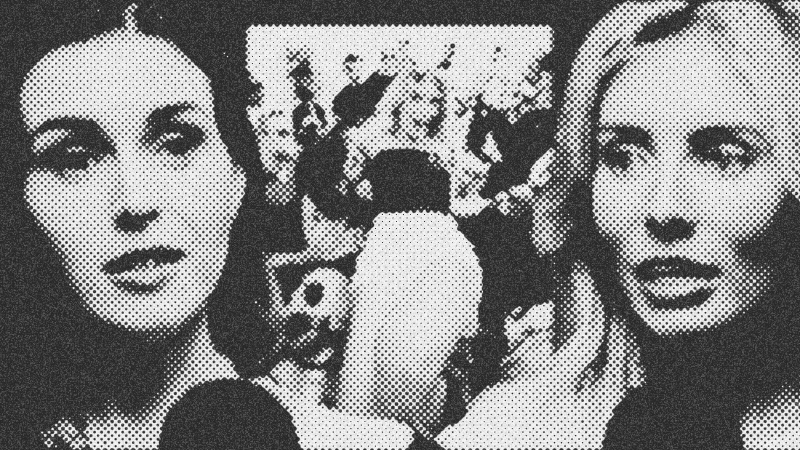
“I Would Criminalise What You Do” - Louise Perry & Bonnie Blue Debate
WatchChris Williamson // 11:15
