The Psychology of the Ballot Box: Why We Choose Charisma Over Consistency
Introduction: The Unseen Forces in Our Choices
We tell ourselves our decisions are rooted in logic. Yet, when faced with choices that shape our collective future, deeper psychological currents often take control. The patterns we see in the political arena are not unique; they are a large-scale reflection of the very human needs and biases that guide our personal lives. Understanding these drivers is not about politics—it's about self-awareness and mastering the art of intentional living.
Key Concepts: The Primal Pull of Promises and Personality
Our minds are wired for survival. This translates into two powerful motivators: the quest for security and the need for social connection. When a leader promises to solve our most pressing financial fears—offering affordability and security—they tap into a deep, primal need. Simultaneously, a candidate who appears authentic and relatable satisfies our inherent desire to trust someone who feels like part of our tribe. These emotional responses can easily override a detached, logical analysis of policy.
Detailed Analysis: Decoding Voter Motivation
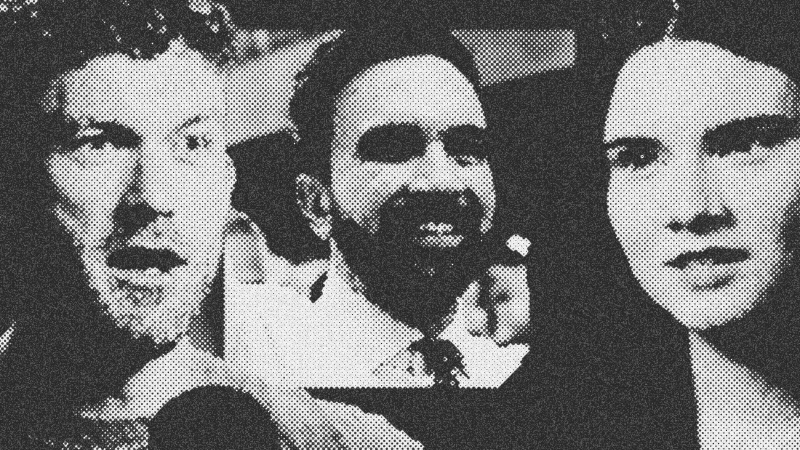
The Authenticity Illusion
Connection is a fundamental human need. In an age of polished and distant figures, we crave leaders who feel real. A candidate who breaks the mold, speaks like a normal person, and appears to genuinely enjoy connecting with people creates a powerful illusion of authenticity. Like Donald Trump's ability to seem comfortable with anyone or Zohran Mamdani's viral social media presence, this perceived relatability builds trust on an emotional level. It feels like a genuine relationship, even when it's a carefully crafted public image.
The Potent Lure of "Free"
Financial stress is one of the most significant psychological burdens we carry. The promise of "free"—free housing, free groceries—is more than a policy point; it's a promise of relief. It speaks directly to the part of our brain seeking safety and an end to struggle. Challengers hold a distinct advantage here. They can paint a picture of an ideal future without the burden of a track record, making their promises feel more potent and hopeful than the complex realities an incumbent must defend.
Implications: Your Personal Ballot Box
This dynamic isn't confined to politics. Reflect on your own life. Have you ever been drawn to a business partner with immense charisma but a questionable plan? Or chosen a path that promised a quick, easy fix over a more challenging, sustainable one? We are all susceptible to the same psychological pulls. Recognizing your attraction to charismatic promises is the first step toward ensuring your life's most critical choices are based on substance, not just style.
Conclusion: From Awareness to Intentional Action
Understanding why we are drawn to certain leaders or ideas is a profound exercise in self-discovery. It reveals the internal landscape of our fears, hopes, and needs. Your greatest power lies in recognizing these patterns within yourself. By doing so, you move from being a passenger driven by unconscious urges to the pilot of your own life, making choices that are not just emotionally resonant but truly aligned with your long-term well-being.
- Barack Obama
- 11%· people
- Cuomo
- 11%· people
- Donald Trump
- 11%· people
- GOP
- 11%· organizations
- Joe Biden
- 11%· people
- Other topics
- 44%
What Does Mamdani Mean for America? - Brett Cooper
WatchChris Williamson // 12:19
