Phil Collins writes In the Air Tonight on his wife’s affair invoice
In the late 1970s, a young musician named Phil Collins moved into Oldcroft, a Surrey farmhouse that stretched his finances to the breaking point. Betting on his future, he left his childhood sweetheart and their two children to tour America, hoping to secure the mortgage. He was chasing a dream, but the foundation of his personal life was quietly eroding while he performed under the bright lights of international stages.
The rising action of this narrative takes a sharp, painful turn during a single phone call. While abroad, Phil Collins learned his wife was having an affair. The crushing irony? Her lover was the very painter Phil Collins was paying to renovate their home. After a desperate, failed attempt to salvage the marriage in Canada, he returned to an empty house where the paint was still wet from the man who had replaced him. It was a scene of profound isolation and betrayal.
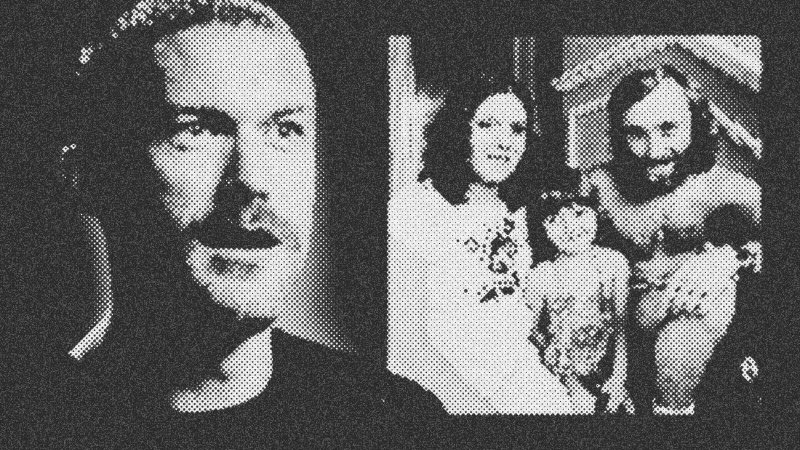
The climax of this emotional wreckage occurred in the master bedroom, which Phil Collins repurposed into a makeshift studio. In a state of raw fury and creative possession, he grabbed an invoice from the painting company and scribbled the lyrics to In the Air Tonight. This was not a calculated business move; it was a desperate channeling of agony into art. He later composed Against All Odds in a similar "fugue state," transforming his rock bottom into Grammy-winning brilliance.
This pattern of "creative bursts" is a recurring phenomenon in the history of greatness. Consider Sylvester Stallone, who, facing poverty and a birth defect that hindered his acting career, painted his windows black and wrote the script for Rocky in just three days. Like Phil Collins, Sylvester Stallone refused to sell his soul, turning down a million-dollar offer to ensure he played the lead. These stories remind us that the most enduring work often emerges when we are backed into a corner, forcing us to use our pain as the primary fuel for our greatest contributions.
- Phil Collins
- 31%· people
- Sylvester Stallone
- 13%· people
- Against All Odds
- 6%· creative works
- Bobby Darin
- 6%· people
- Dolly Parton
- 6%· people
- Other topics
- 38%
The Worst Phone Call of All Time
WatchChris Williamson // 11:22
